Peter Sheehan: Locally Sourced, Locally Made
Peter Sheehan came up through traditional industrial design, the conventional route, working with the kind of processes and supply chains that most product design graduates end up in. Factories, manufacturing tolerances, the whole system. At some point in the last few years he made a deliberate turn away from that, toward something smaller and more rooted, and what's interesting is that it doesn't read as a rejection of his background so much as an extension of it. He still thinks like a designer, he's just asking different questions now.
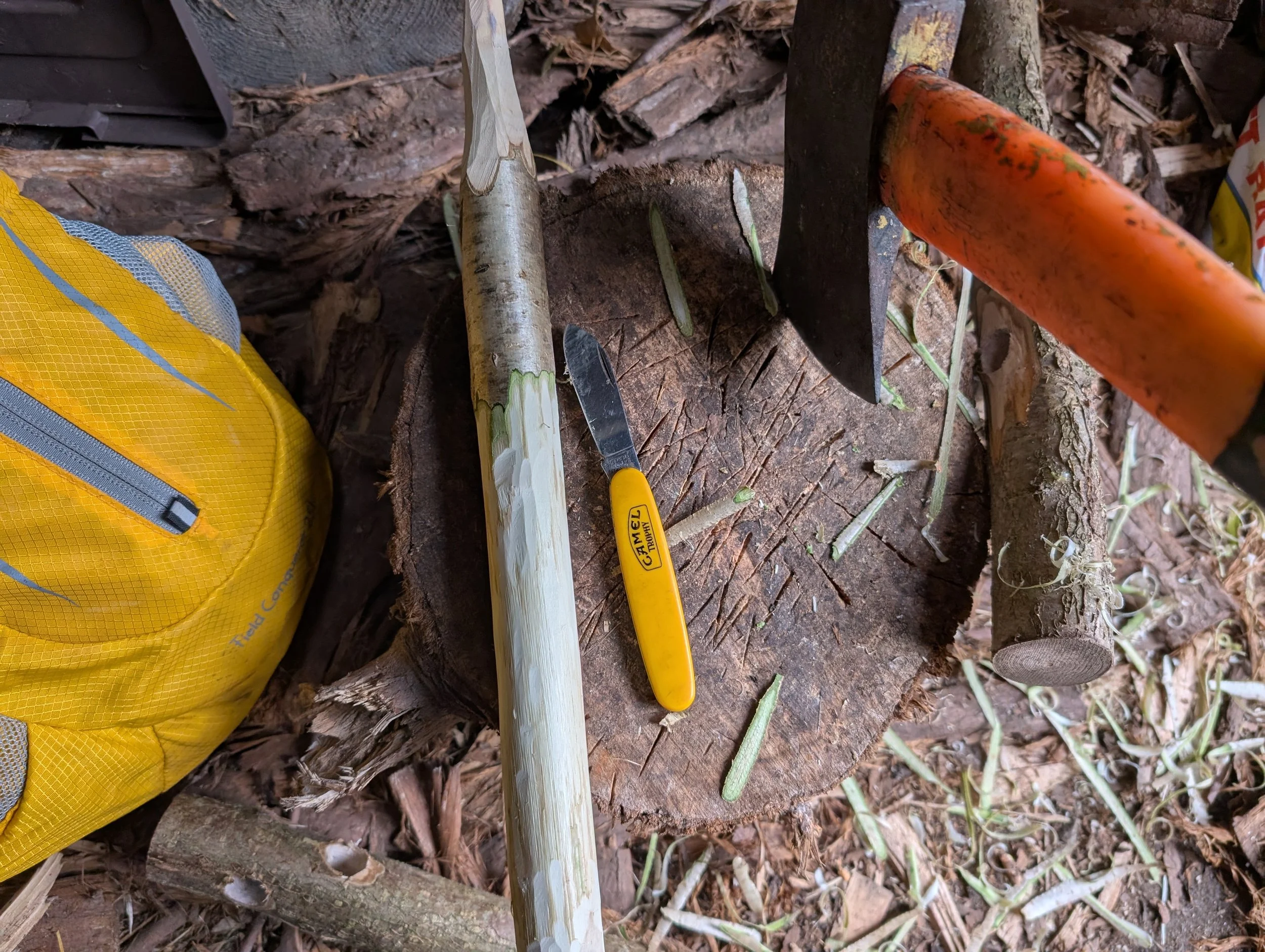
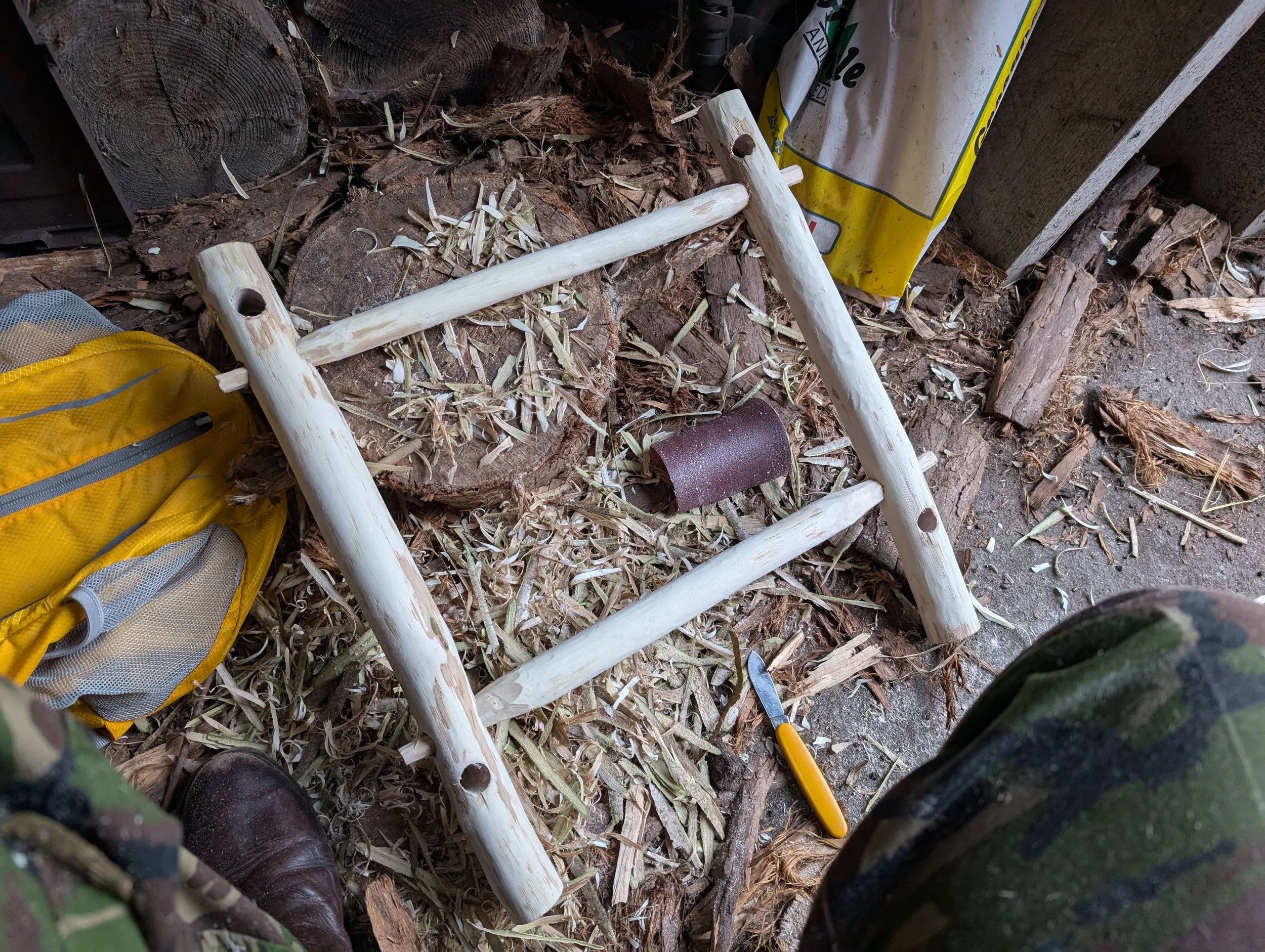
His visit to our class was basically an extended argument for why that shift makes sense. The lecture was built around a simple idea: that defaulting to mass production is a choice, not a given, and that there are a lot of situations where making something locally, from materials that came from nearby, produces a better outcome in ways that the standard design process doesn't really account for. It sounds straightforward when you say it like that, but it cuts against a lot of assumptions you pick up without noticing in a design degree. The practical side of the session was a Sugán chair workshop. The Sugán chair is a traditional Irish vernacular form, historically made from whatever local timber was available and seated with woven rope. Peter brought pre-cut lengths of hazel, which was well suited to the job, and we used augers to drill the joints and knives to shape the connecting pieces so they'd fit cleanly. It takes more patience than it looks like.




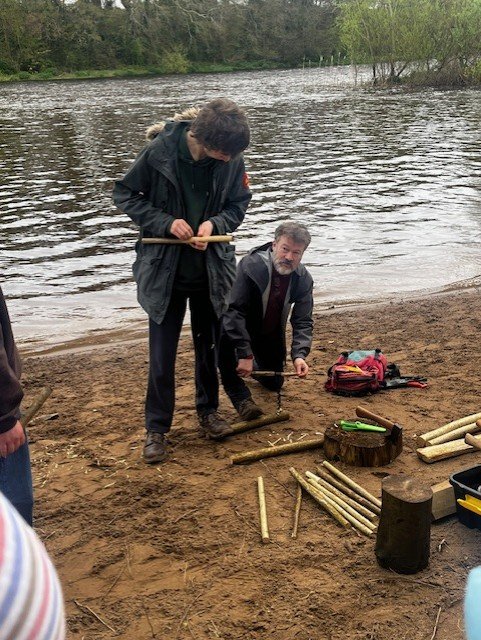
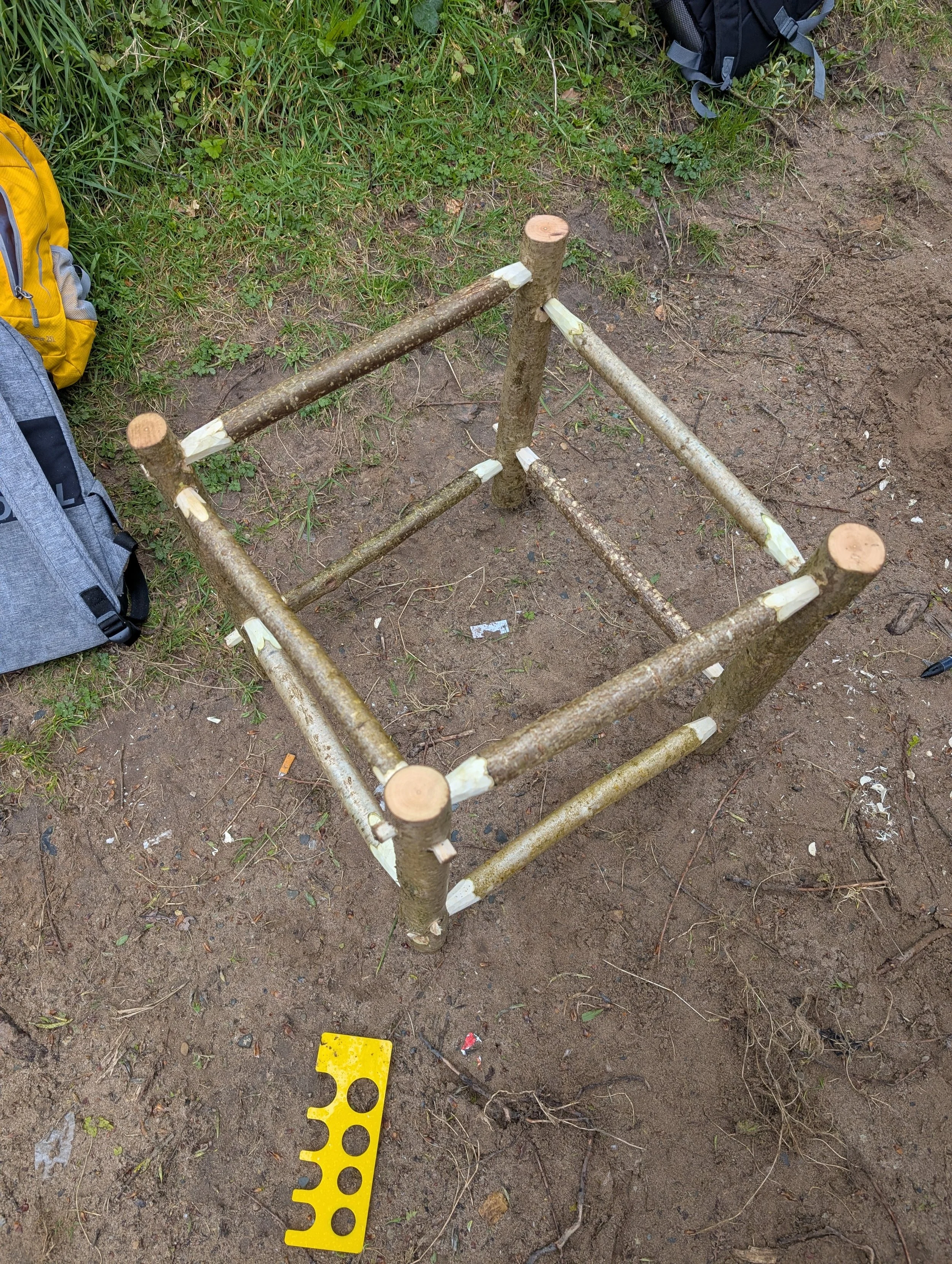
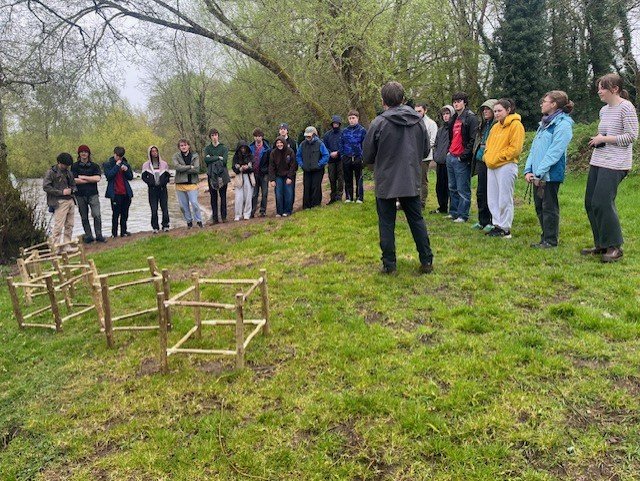

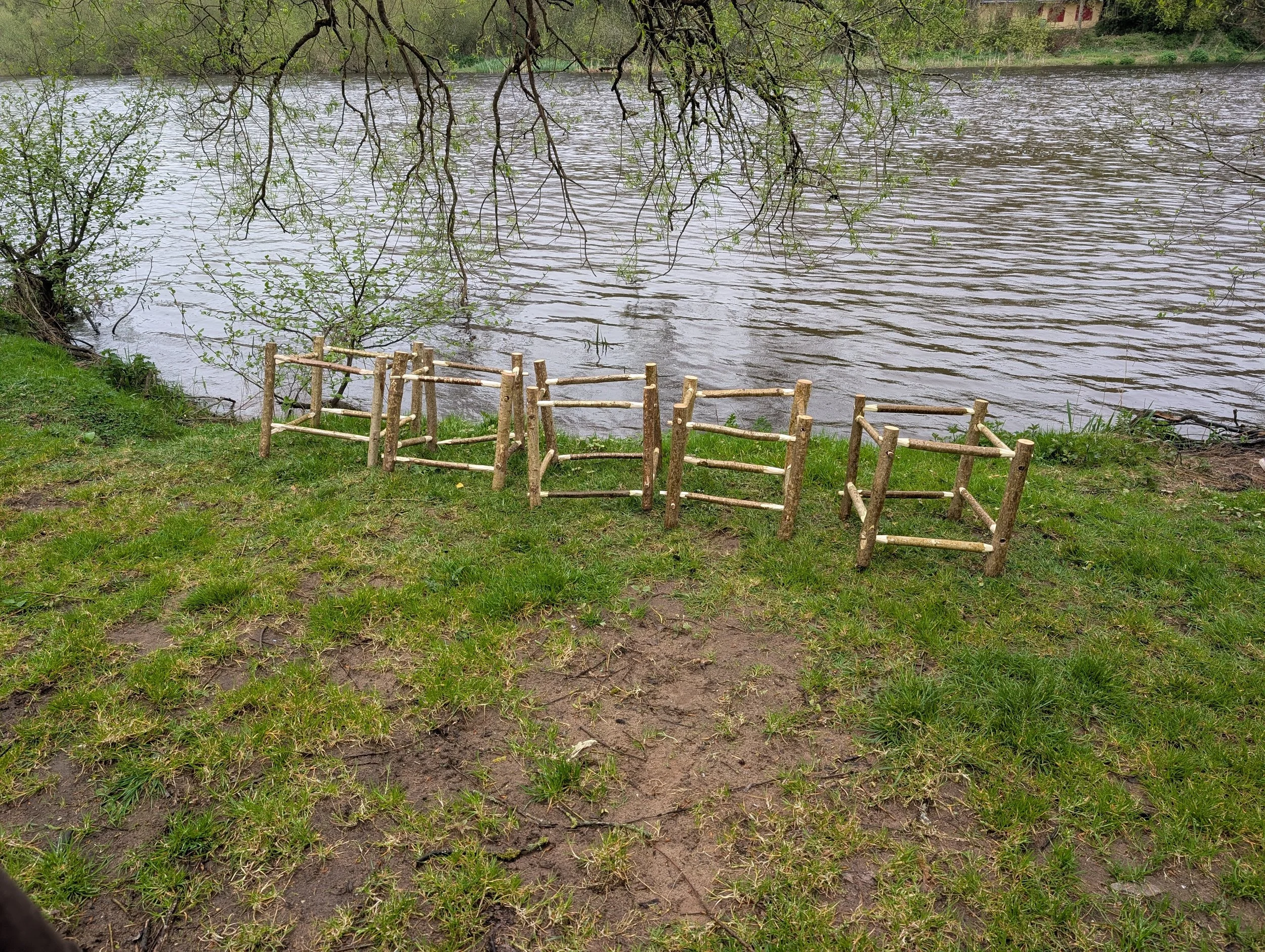
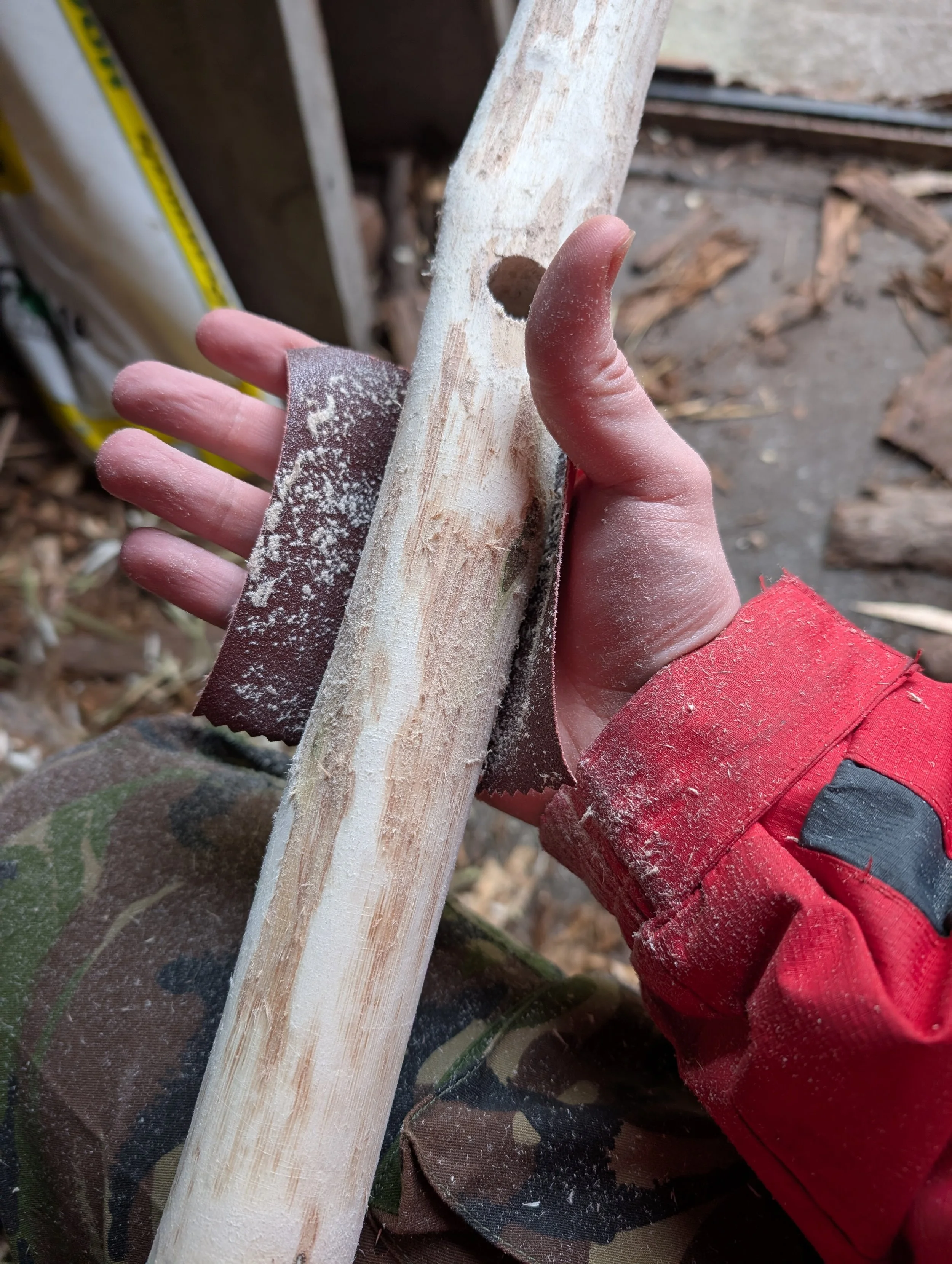
We didn't completely finish them in the session, so I took mine home. I spent an evening debarking the hazel, sanding it back, and oiling it. That part took longer than the workshop itself, but it felt like a natural extension of it. The end result is sitting in my room now and it doesn't look like something you'd find in a shop, which is the whole point.
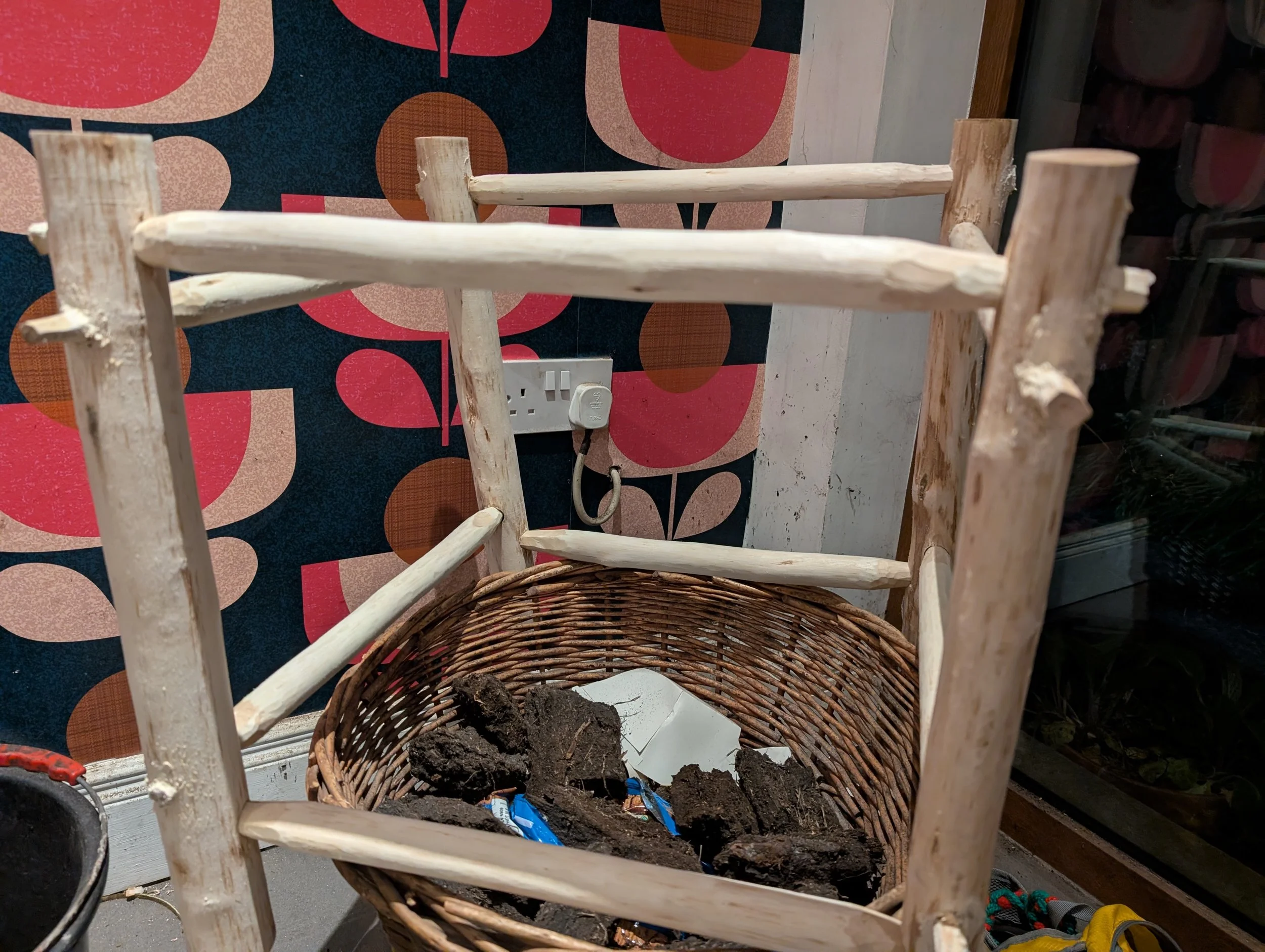
What I kept thinking about afterwards was how different Peter's perspective was from the other speakers we've had. Most of them are operating at a scale where the questions are about manufacturing, distribution, market fit, all legitimate and worth understanding. Peter was asking something else entirely, what are you optimising for, and is that actually the right thing to optimise for? He wasn't dismissing the industrial side of design, he'd come from it, but he had clearly thought hard about what it was missing, and the Sugán chair is a pretty direct answer to that question. It's made from a material that grows in Irish hedgerows, with tools that haven't changed in centuries, and it works perfectly. There's not a lot to argue with.
