London and Nottingham: A Week of Museums, Making, and Thinking About Design
Every design student gets told to go to London. Go to the museums, go to the galleries, look at things. It's good advice, but it doesn't quite prepare you for what it's actually like to stand in front of objects and buildings that put everything you've been learning in college into a much sharper context.
We arrived Monday morning and went straight to the Museum of Brands in Notting Hill, a chronological archive of consumer packaging and advertising stretching back to the Victorian era. Walking through it is a strange experience. The further in you go, the more foreign everything looks, and then gradually it starts to look familiar again. You can trace the moment when modern visual language basically clicked into place. It's interesting as a piece of design history, even if it doesn't hit you the way a collection of objects does.
Tuesday was the Design Museum, and it delivered. The Wes Anderson exhibition was very well put together, but it was the rest of the Design Museum that I kept thinking about afterwards. A lot of the exhibits were everyday objects, things you'd walk past without a second thought, but framed through the lens that they were a collection of decisions and compromises and intentions. It's a good reminder that design is everywhere and mostly invisible.
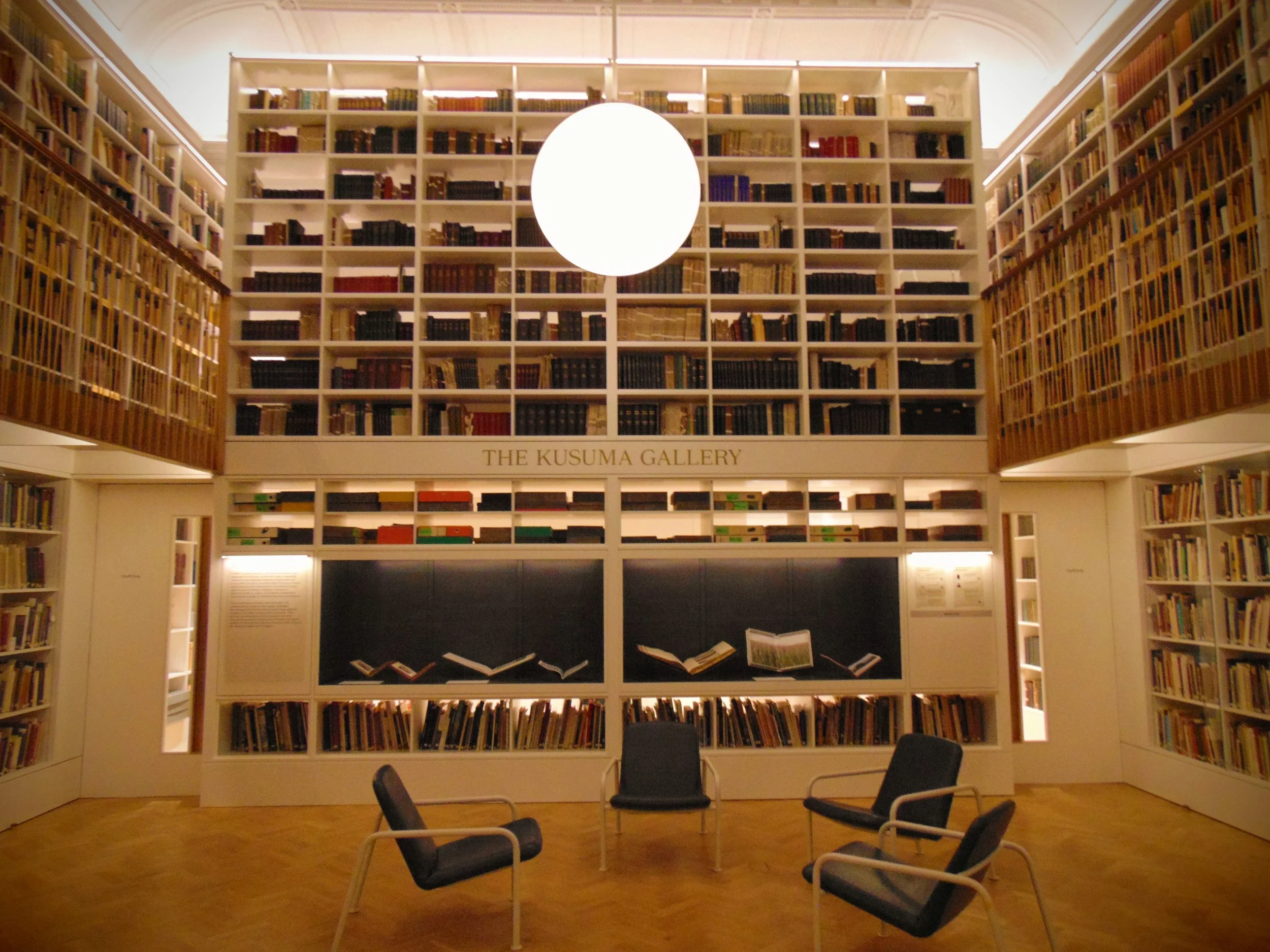
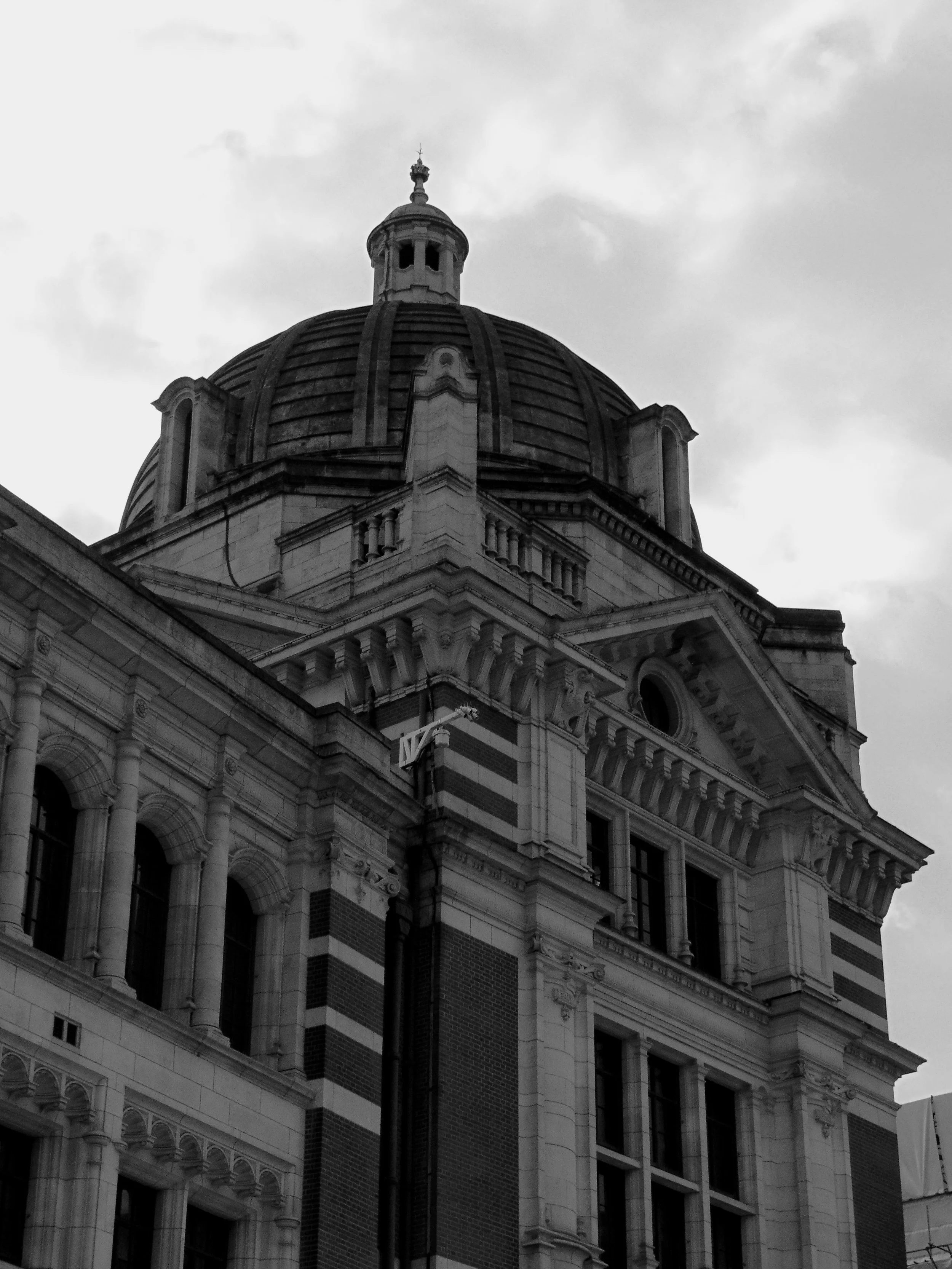
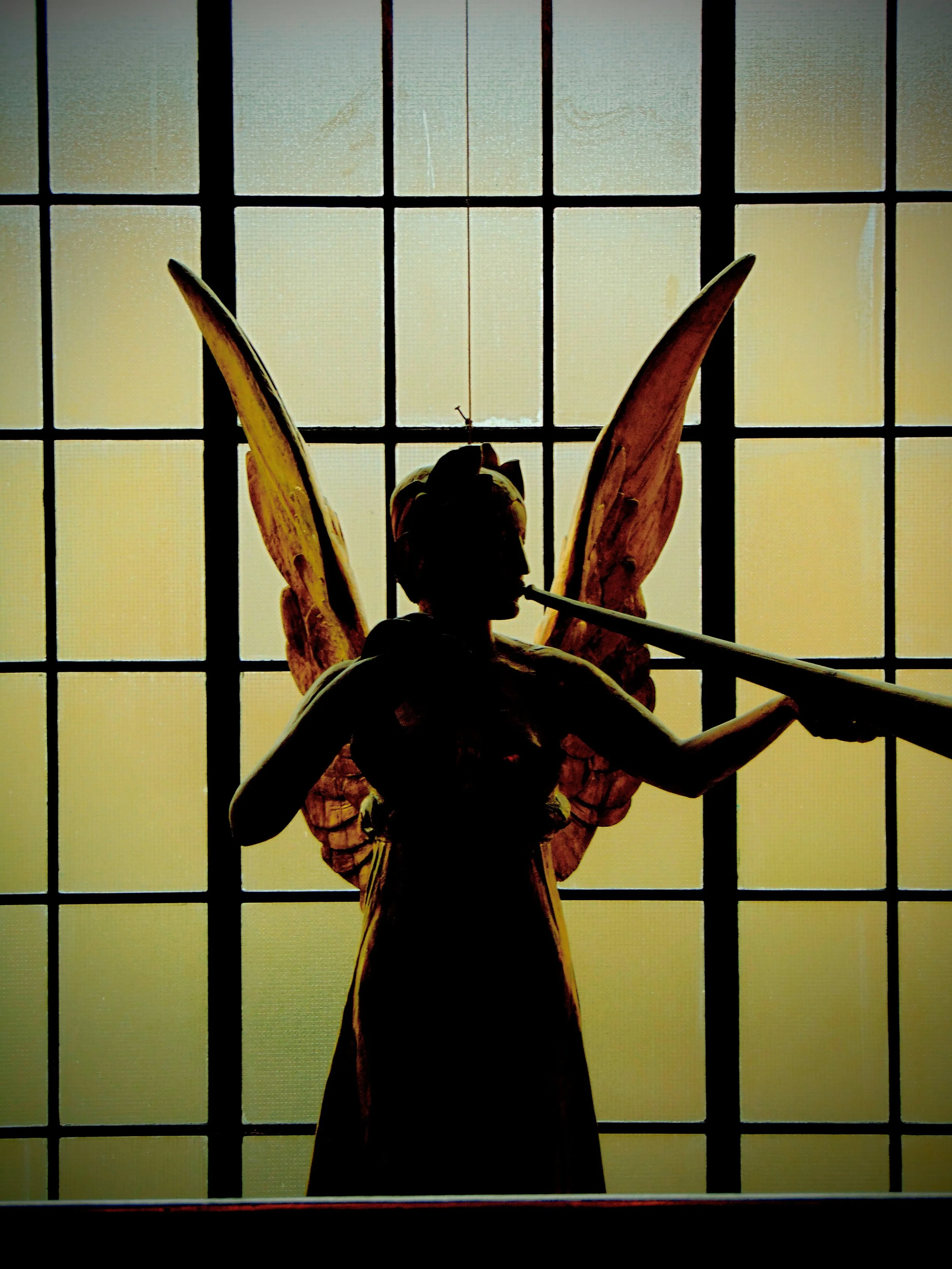
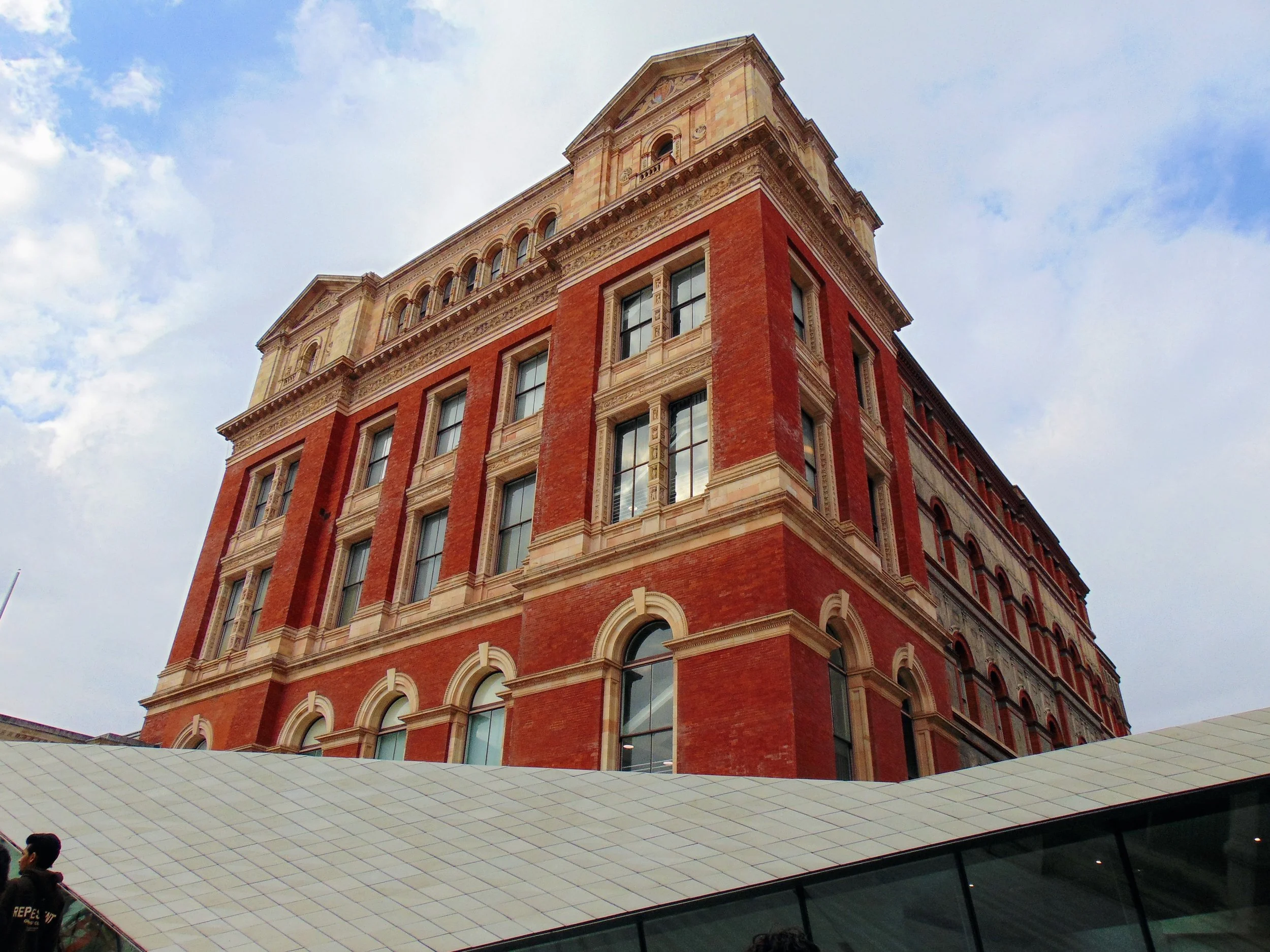
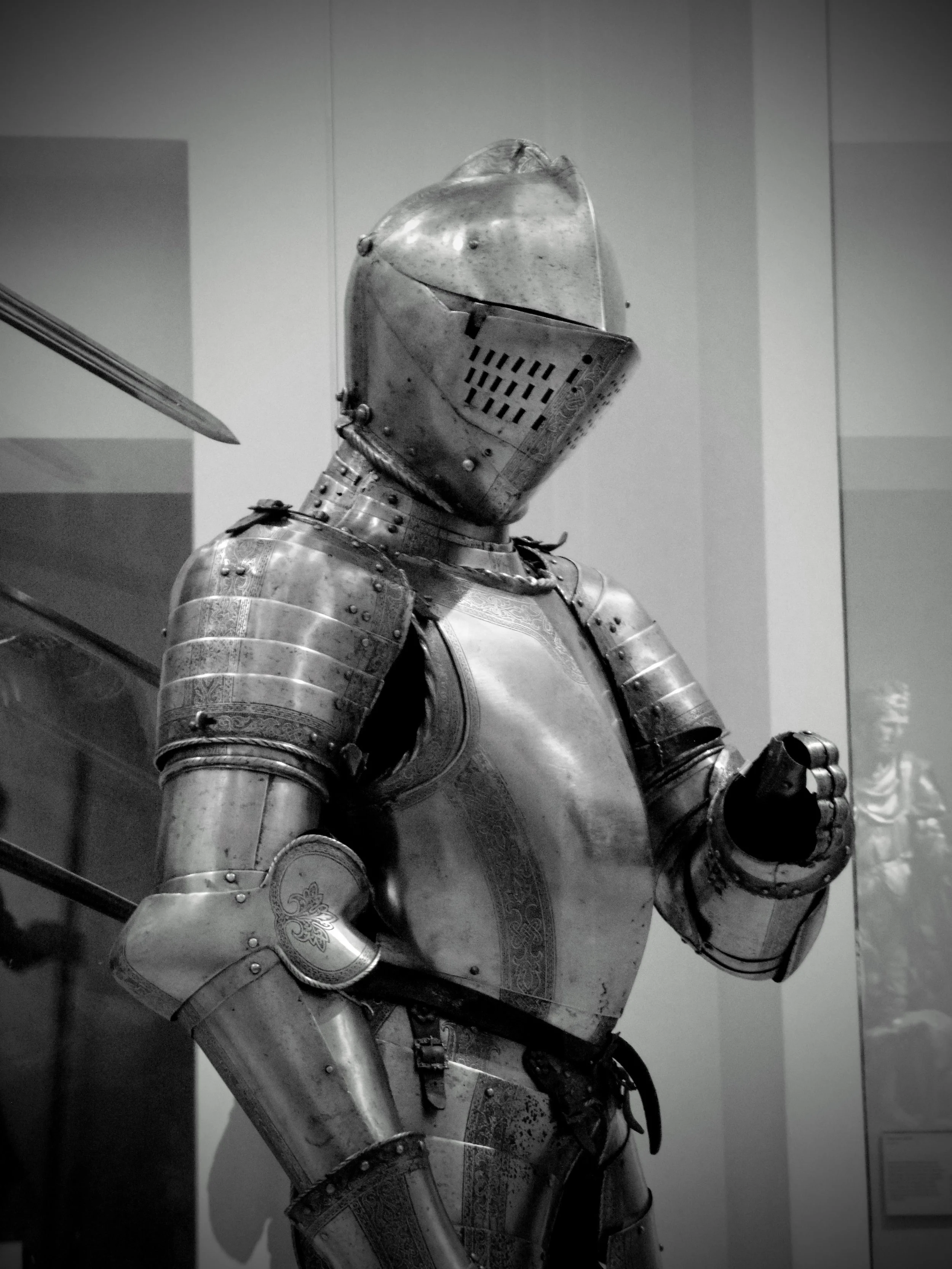
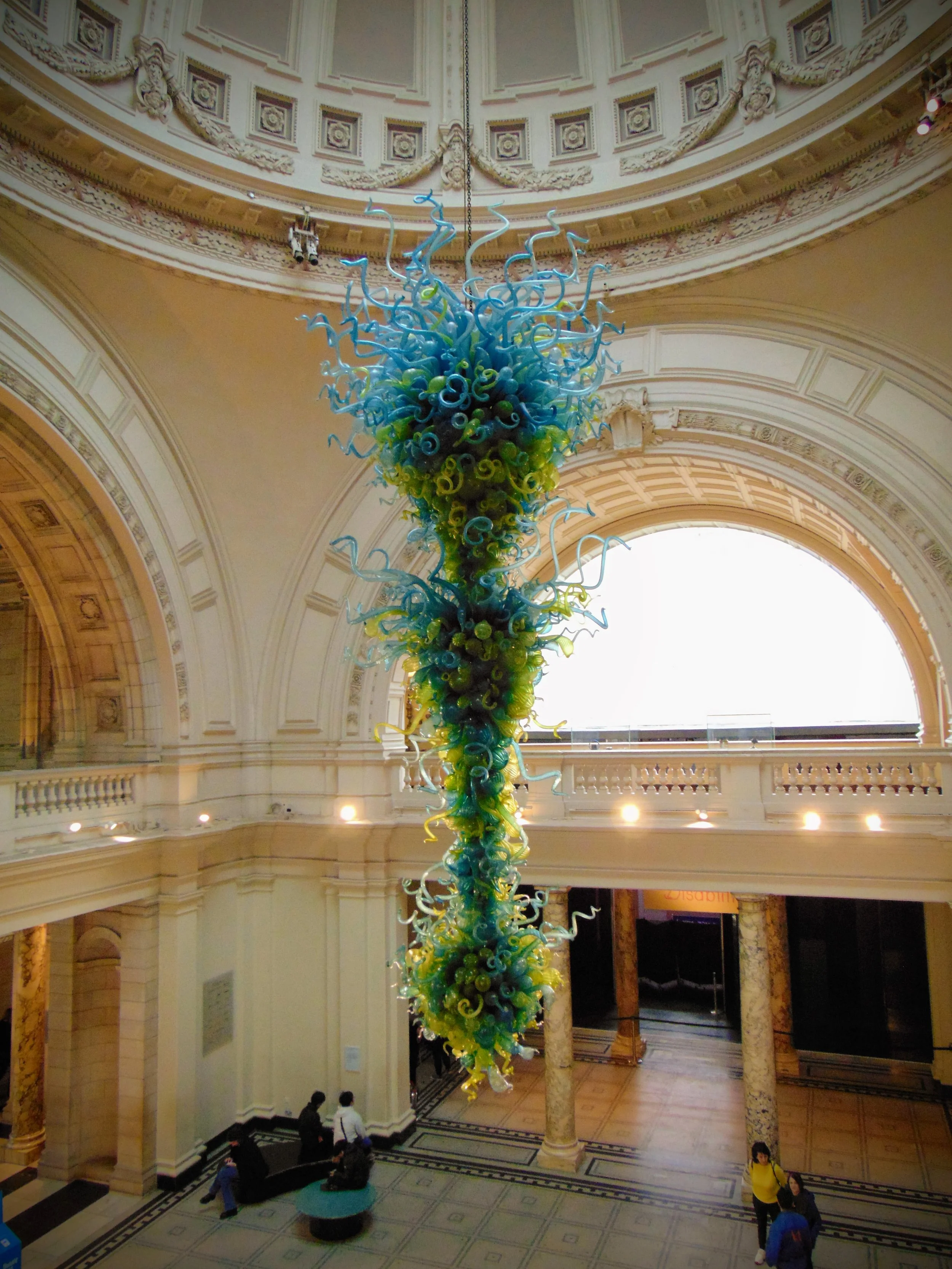
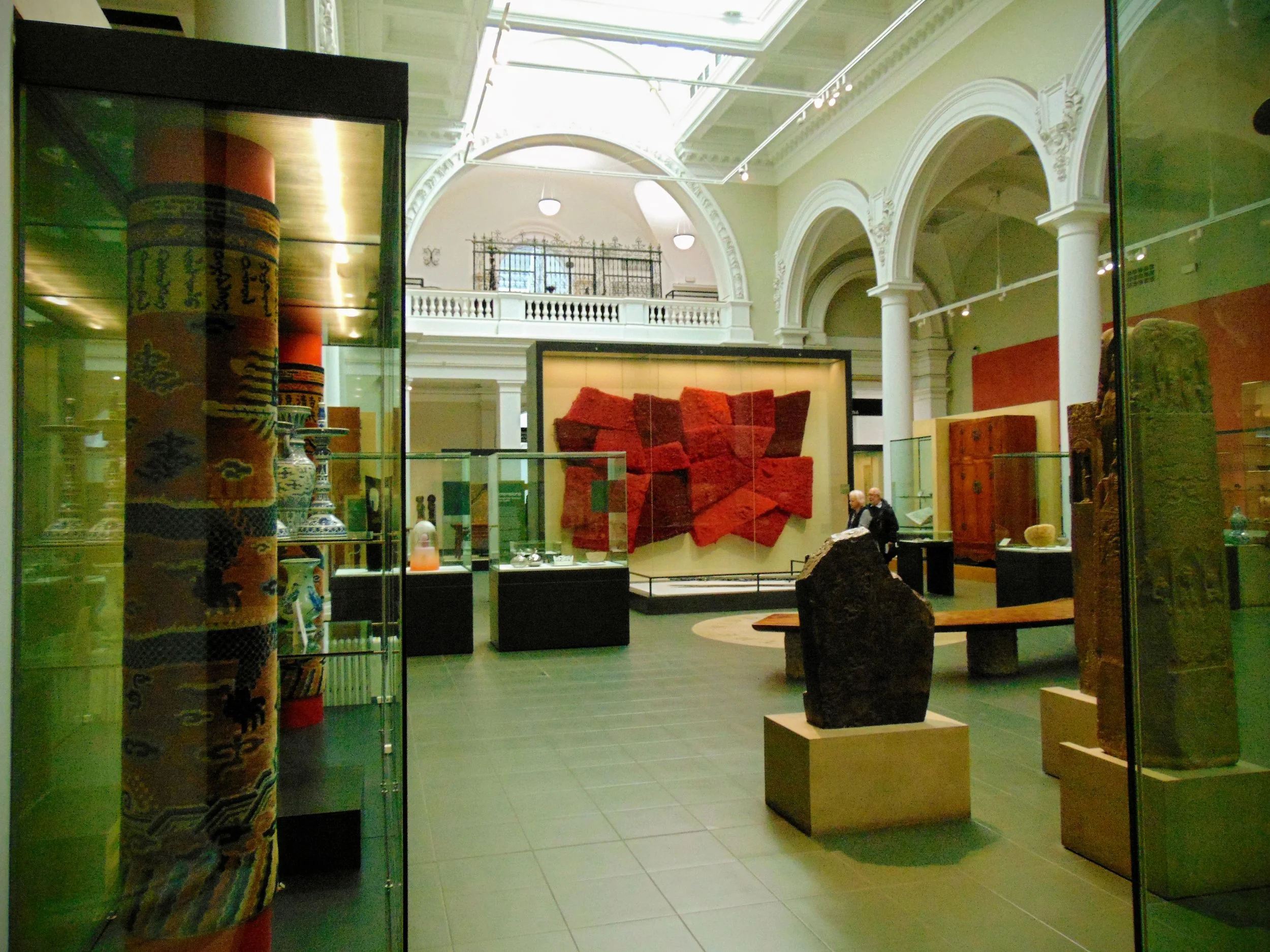
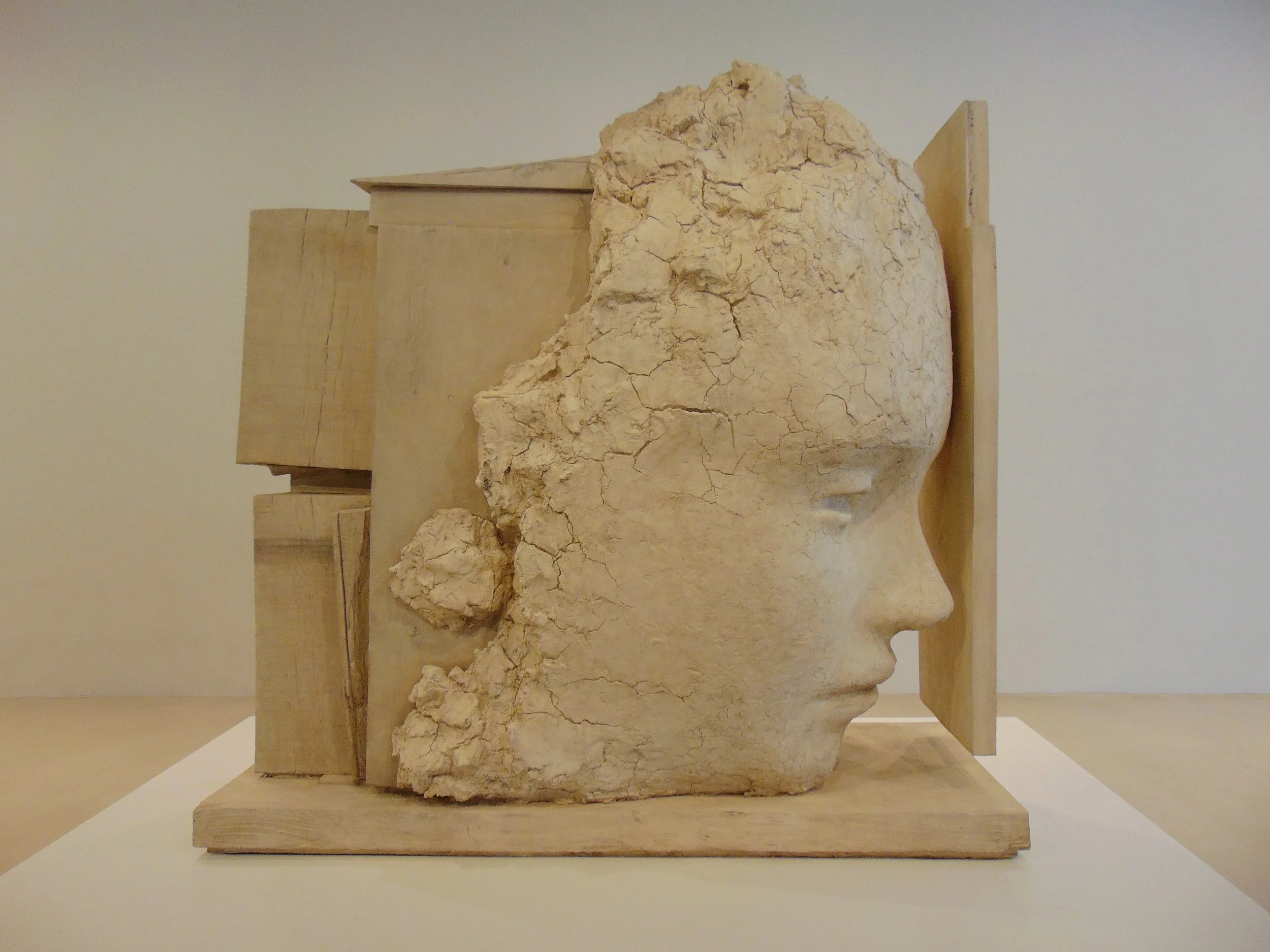
Then there was the V&A, and I'll be honest, nothing else on the trip came close. Part of it is the sheer variety. There is genuinely no other museum in the world with a collection like it. Fashion, furniture, jewellery, ceramics, ironwork, textiles, architecture, all under one roof, all made to the highest standard their era could produce. But what kept stopping me wasn't the famous pieces. It was the craft in all of it. Objects made hundreds of years ago with hand tools and materials that required real mastery to work, achieving a complexity and refinement that still looks difficult today. There's a product design section too, which was a nice surprise, objects that feel immediately familiar sitting alongside things that are genuinely centuries old. The building itself is doing something too. The way you move through it, corridors that open unexpectedly into enormous galleries, rooms that reward getting lost, gives the whole place a quality that's hard to describe. You feel like you're discovering things rather than being shown them. That's a design choice, even if it doesn't look like one.
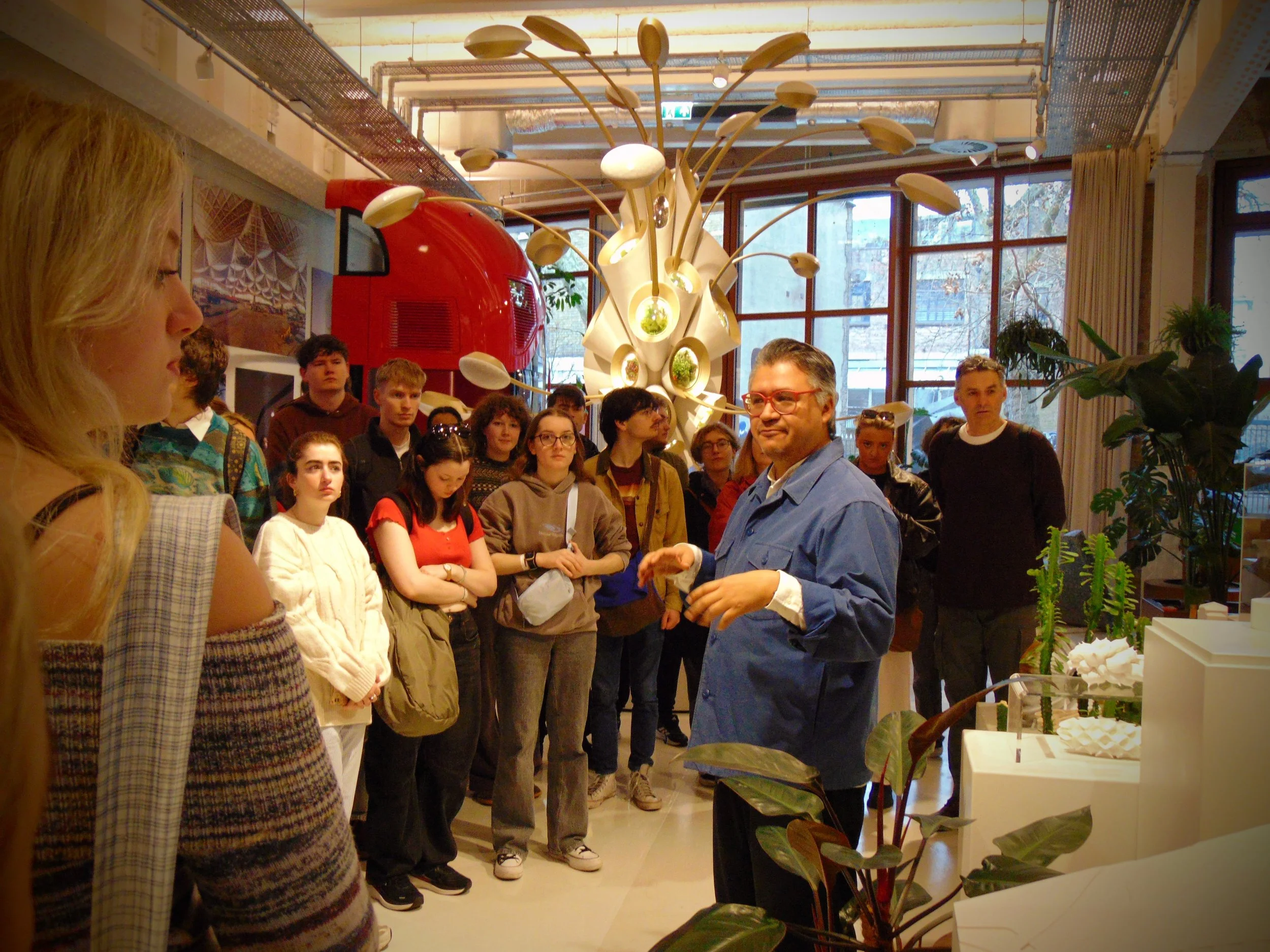
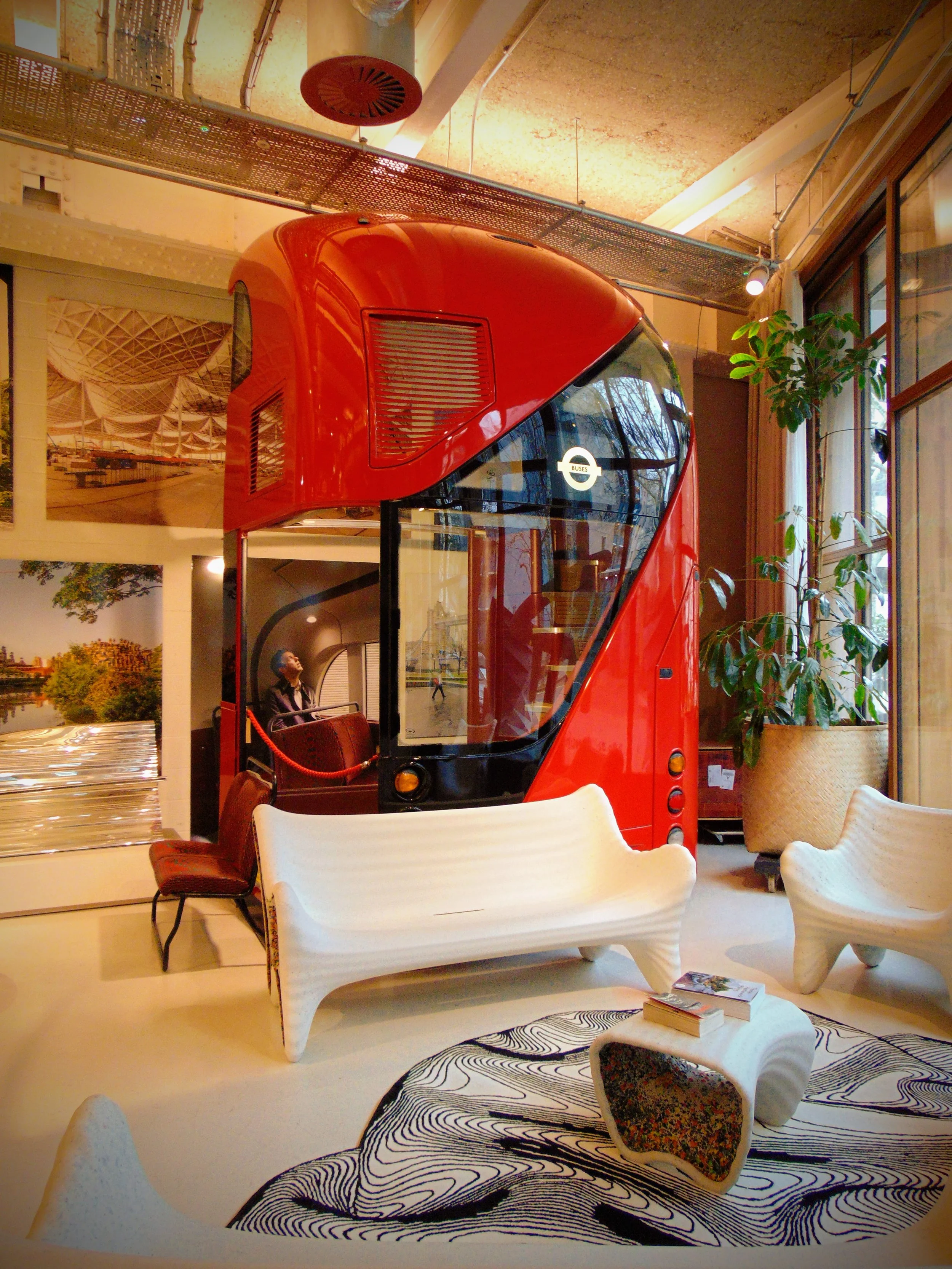
Wednesday morning started at Thomas Heatherwick's studio on Argyle Street. The models, the material experiments, the drawings on the wall. It's the first time on the trip where I felt like, this is what the stuff we're learning actually becomes. A real studio, real projects, real constraints. It sounds obvious but it lands differently when you're standing in it.
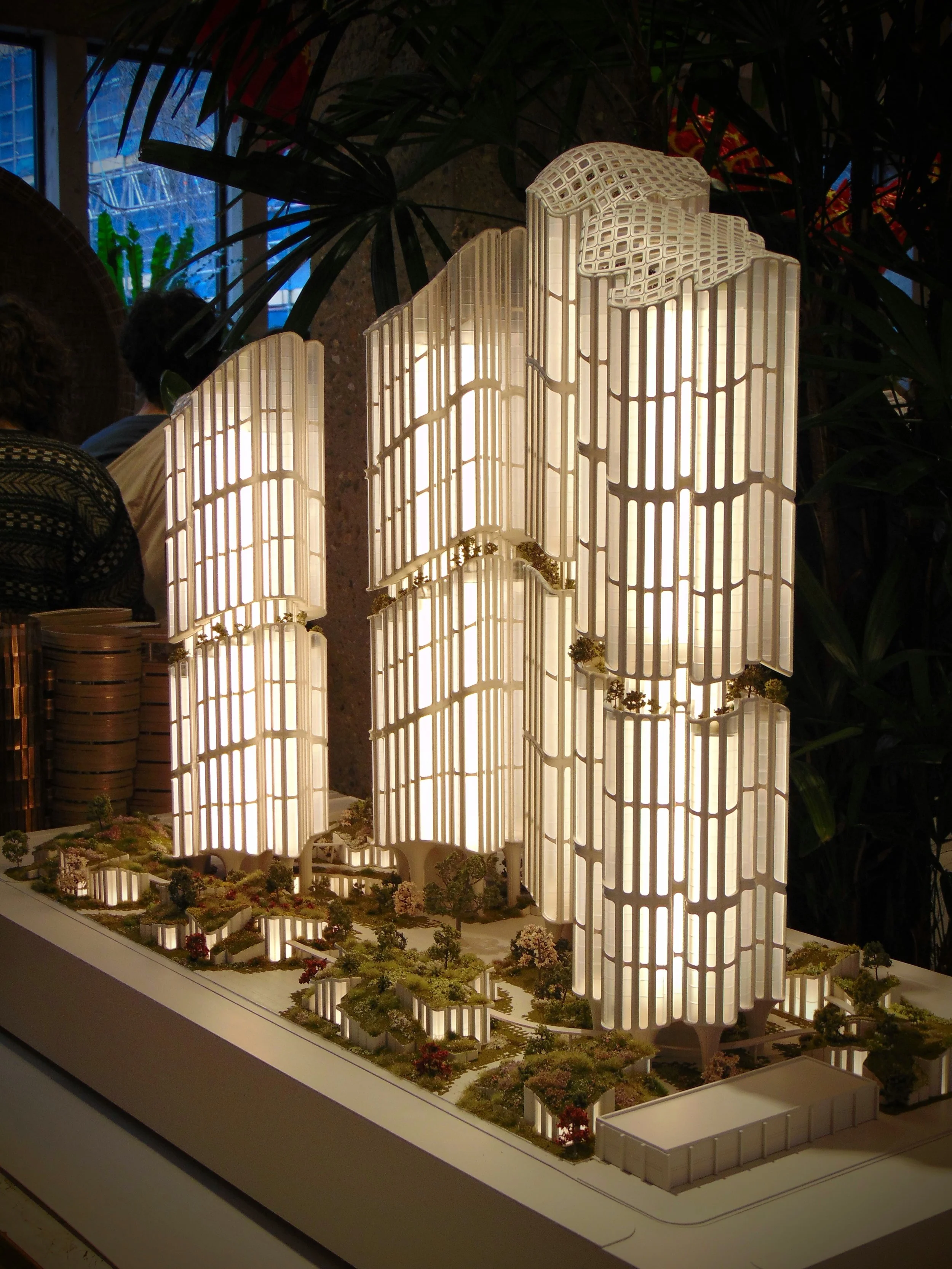
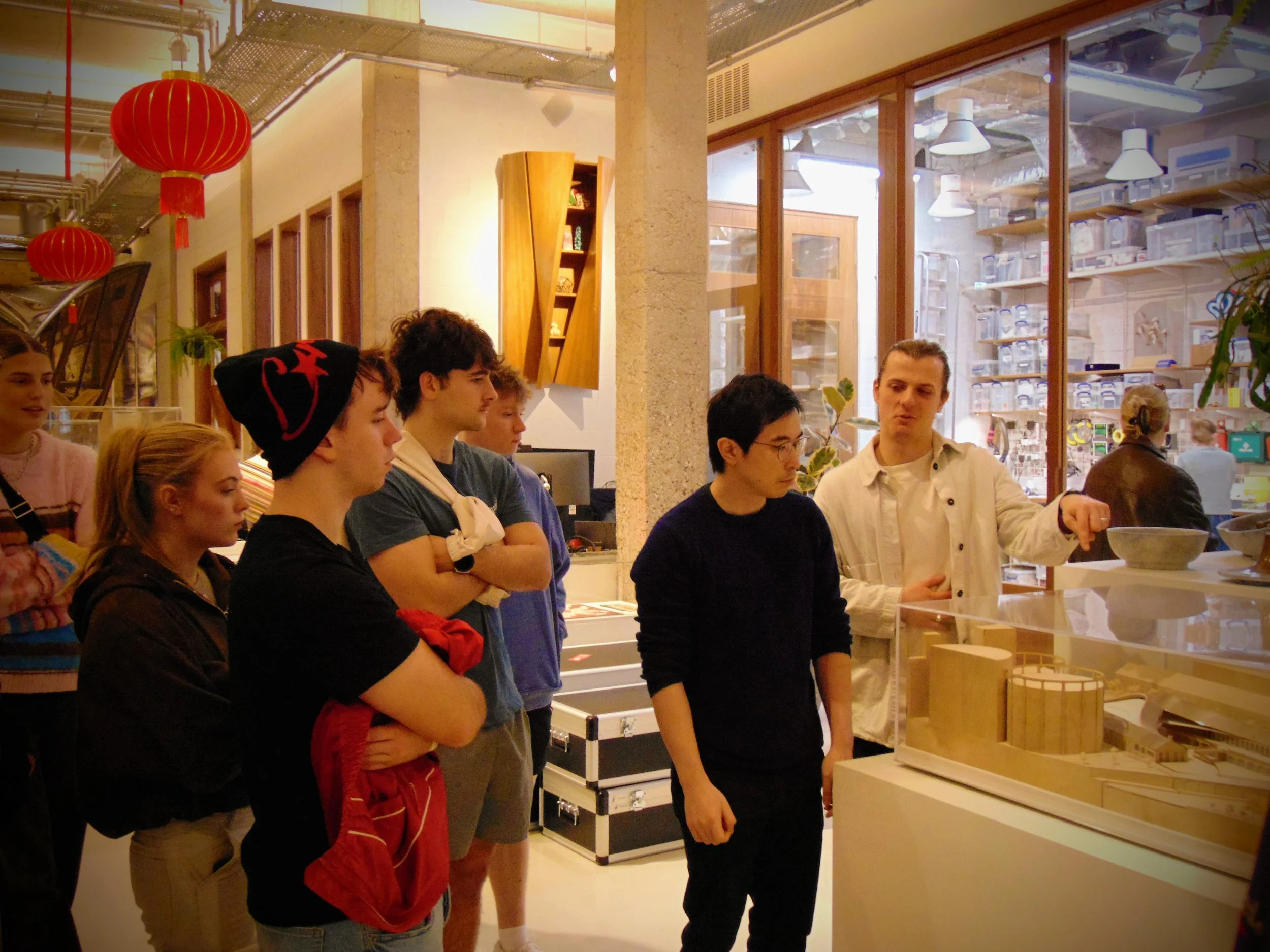
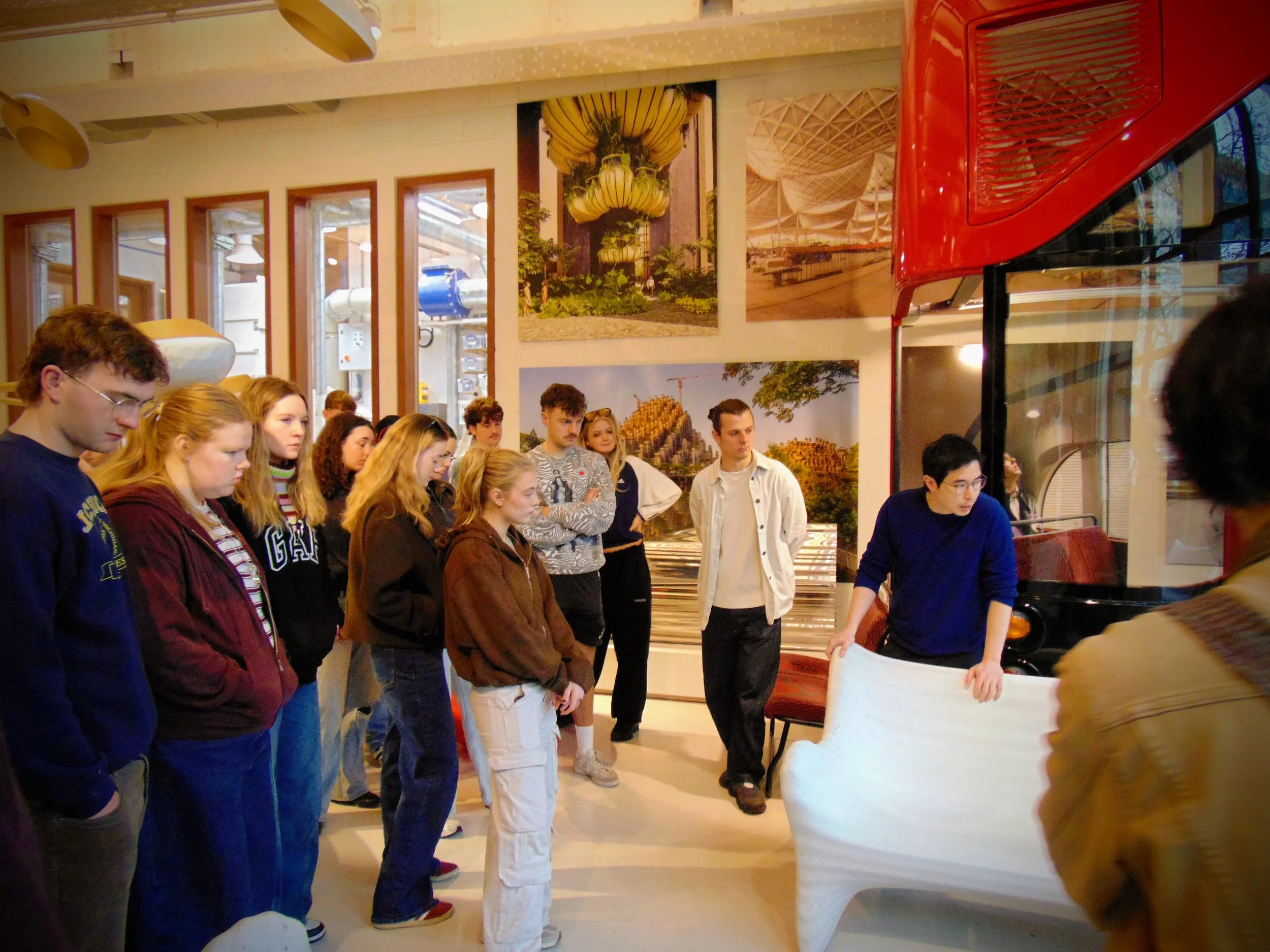
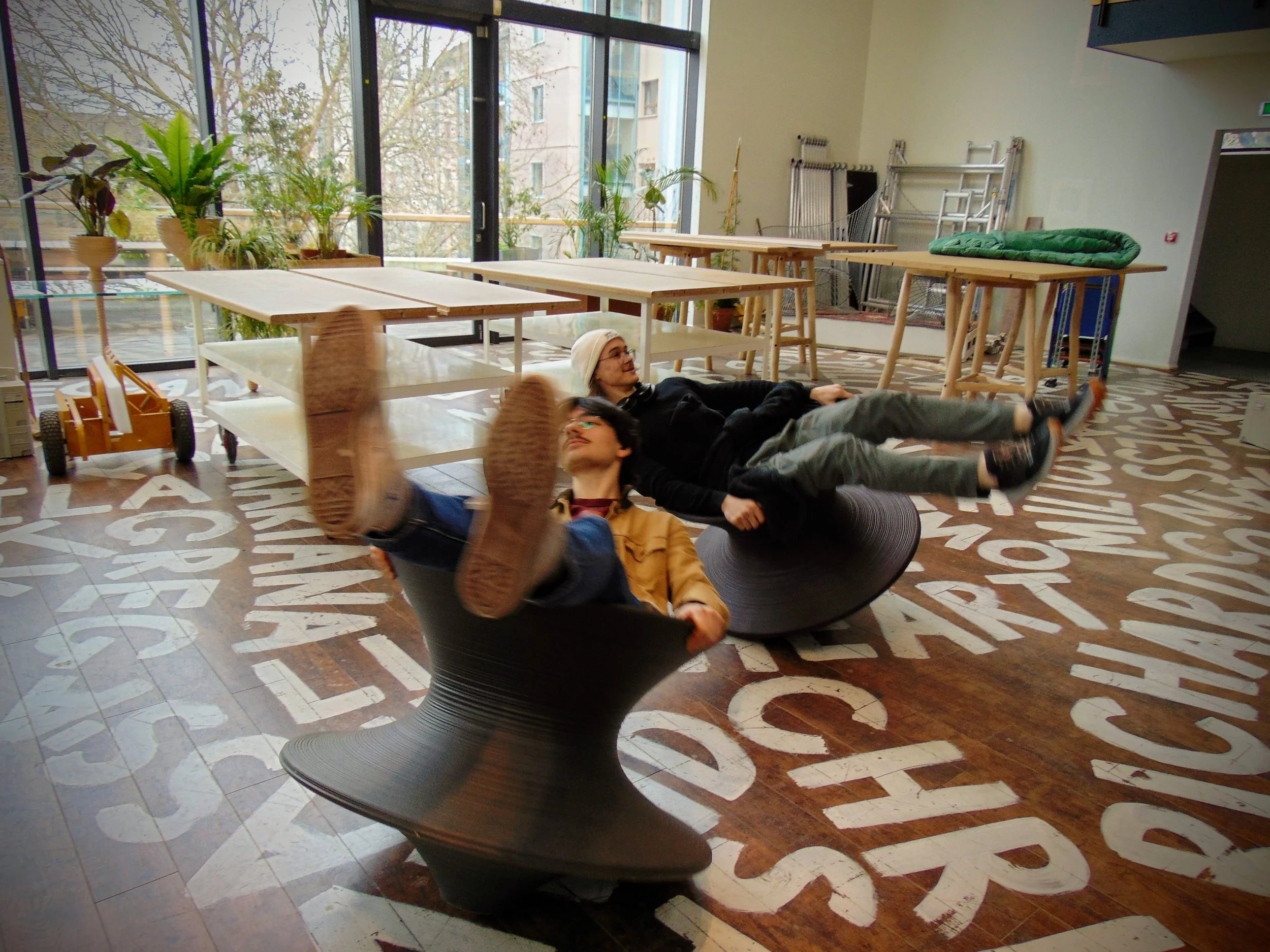
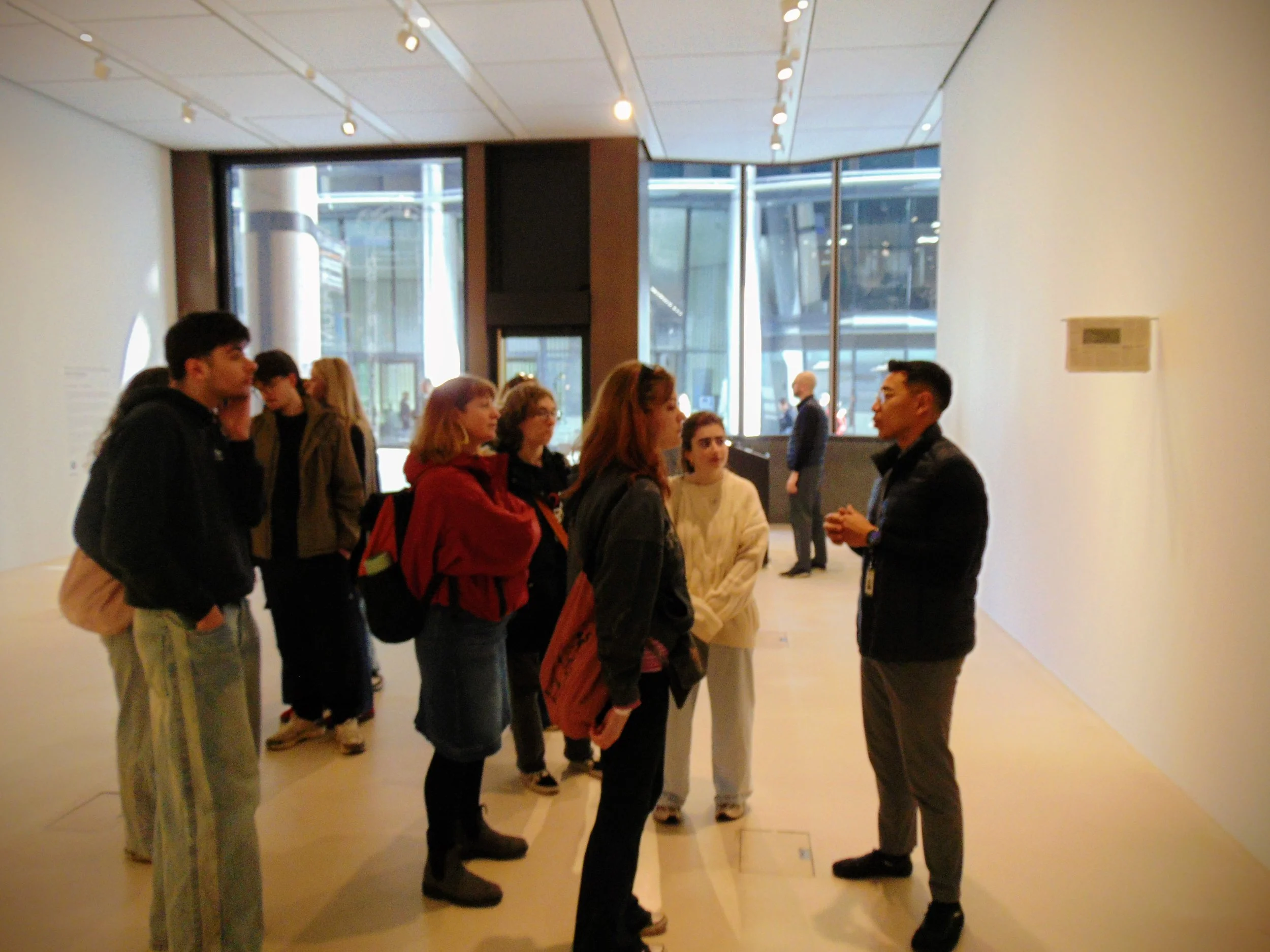
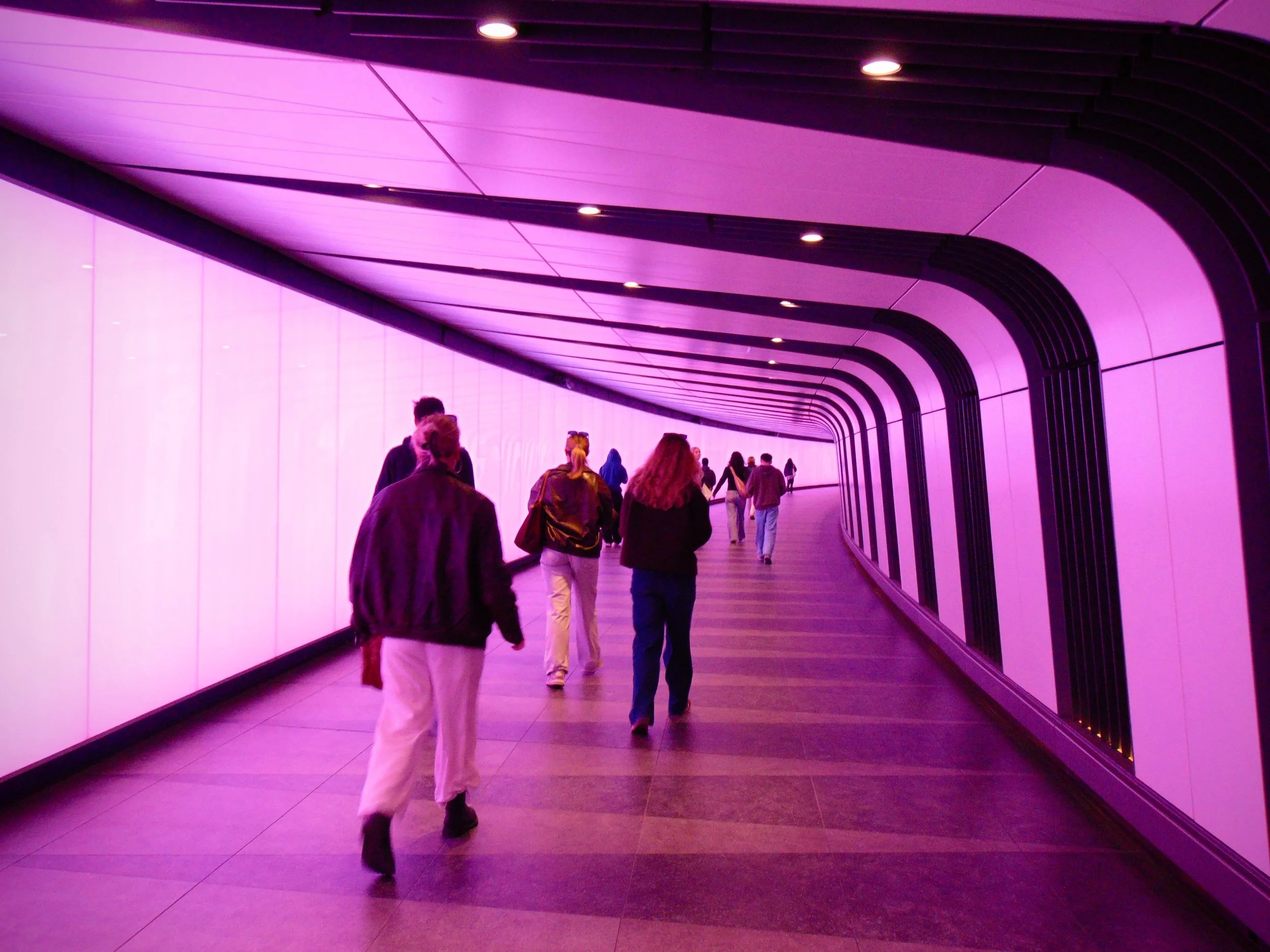
From there we walked to Central Saint Martins at the Granary Building in King's Cross. Walking through it, you're aware of being in a place where a lot of the work you'll be looking at in ten years is currently being figured out. There's a specific energy to a building full of people making things under pressure, and it's hard not to find it motivating.
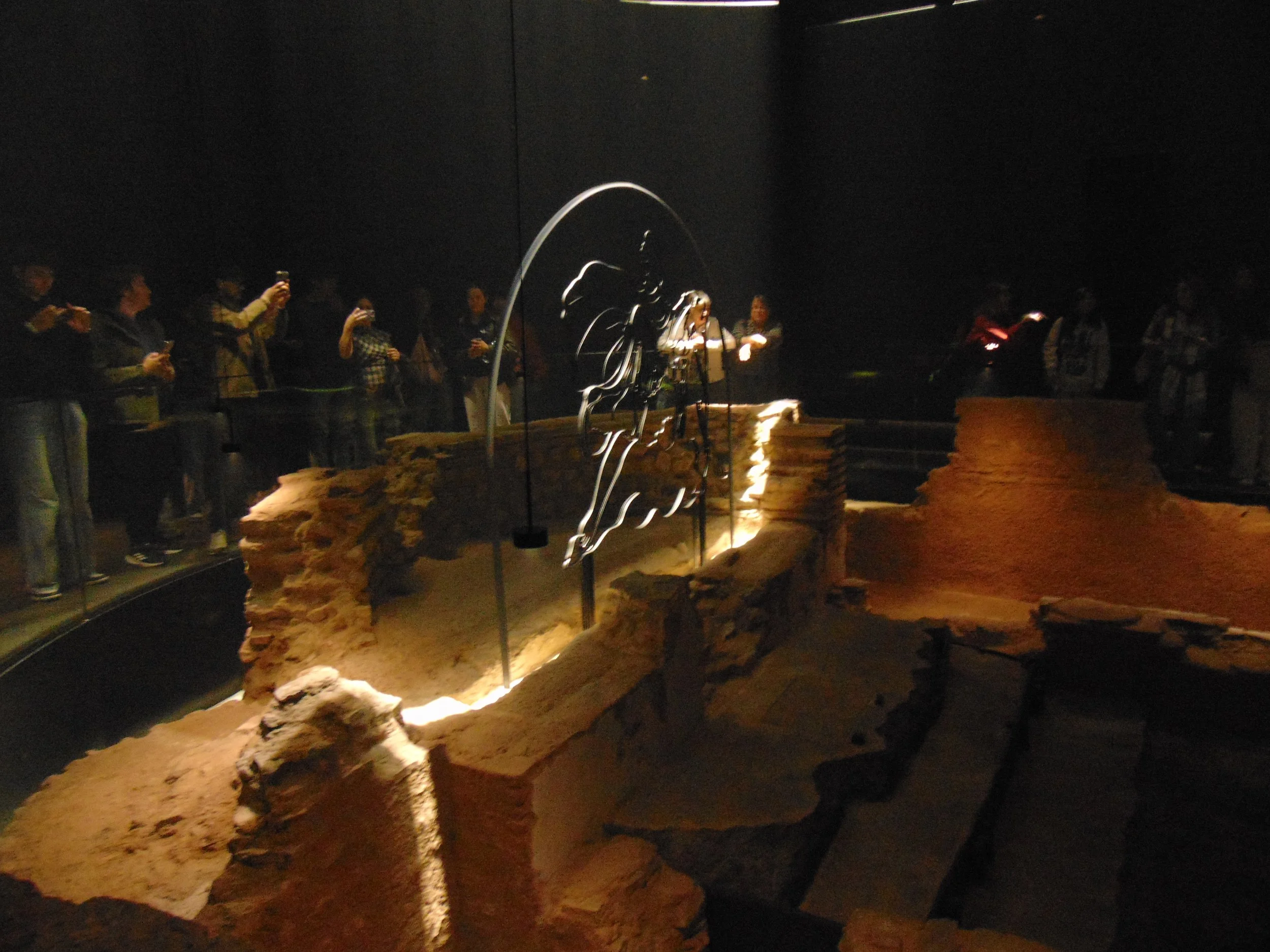
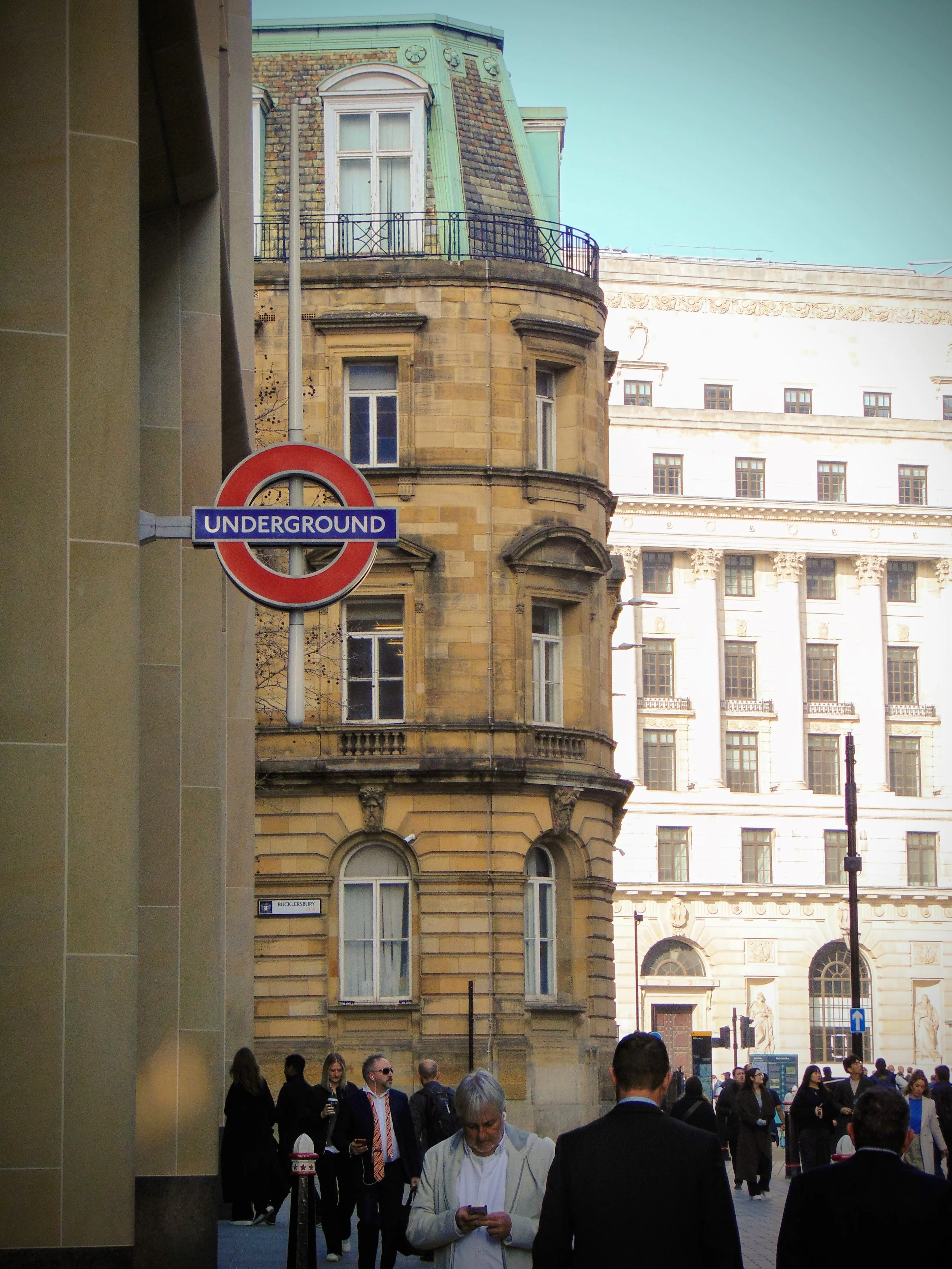
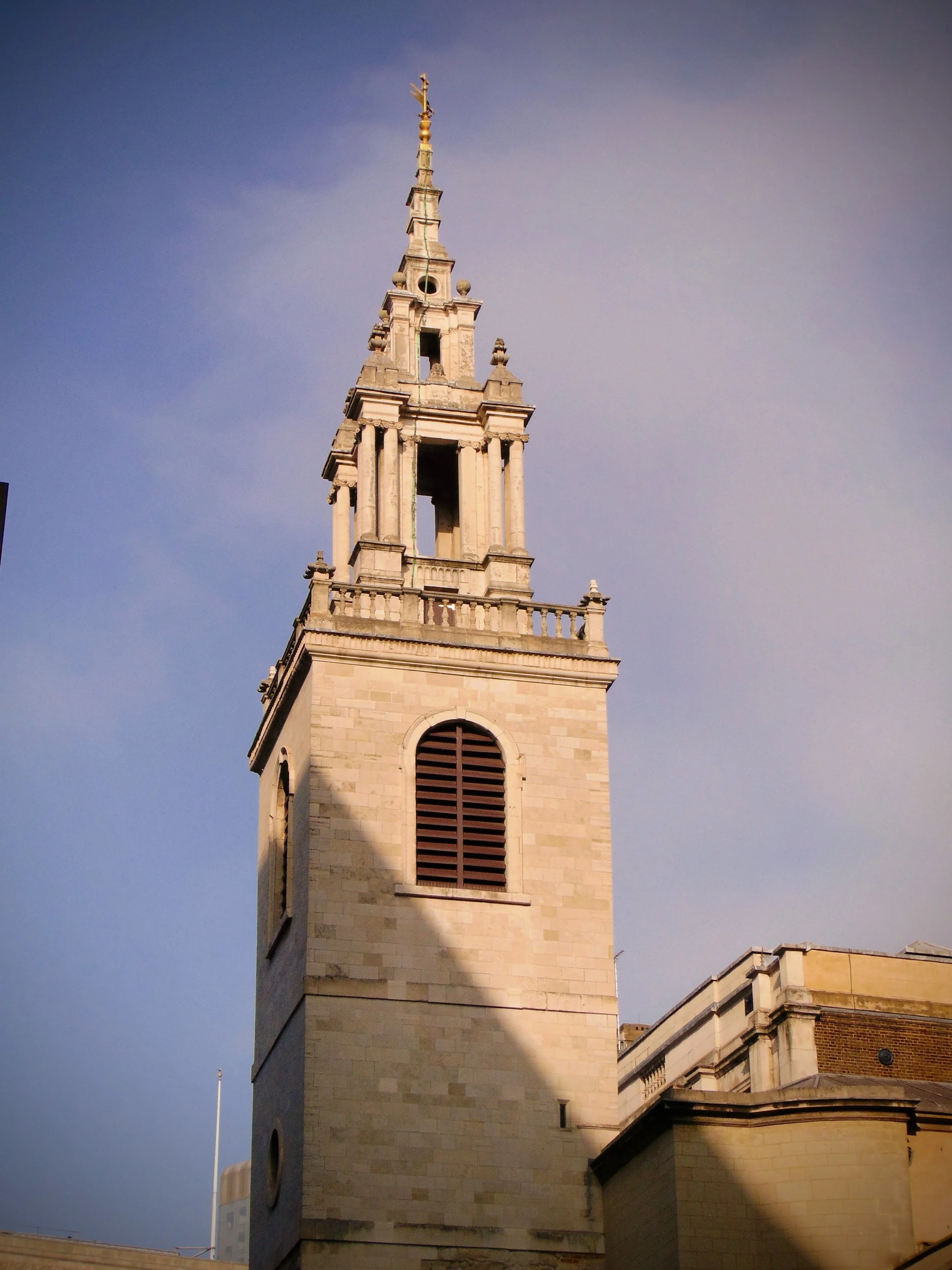
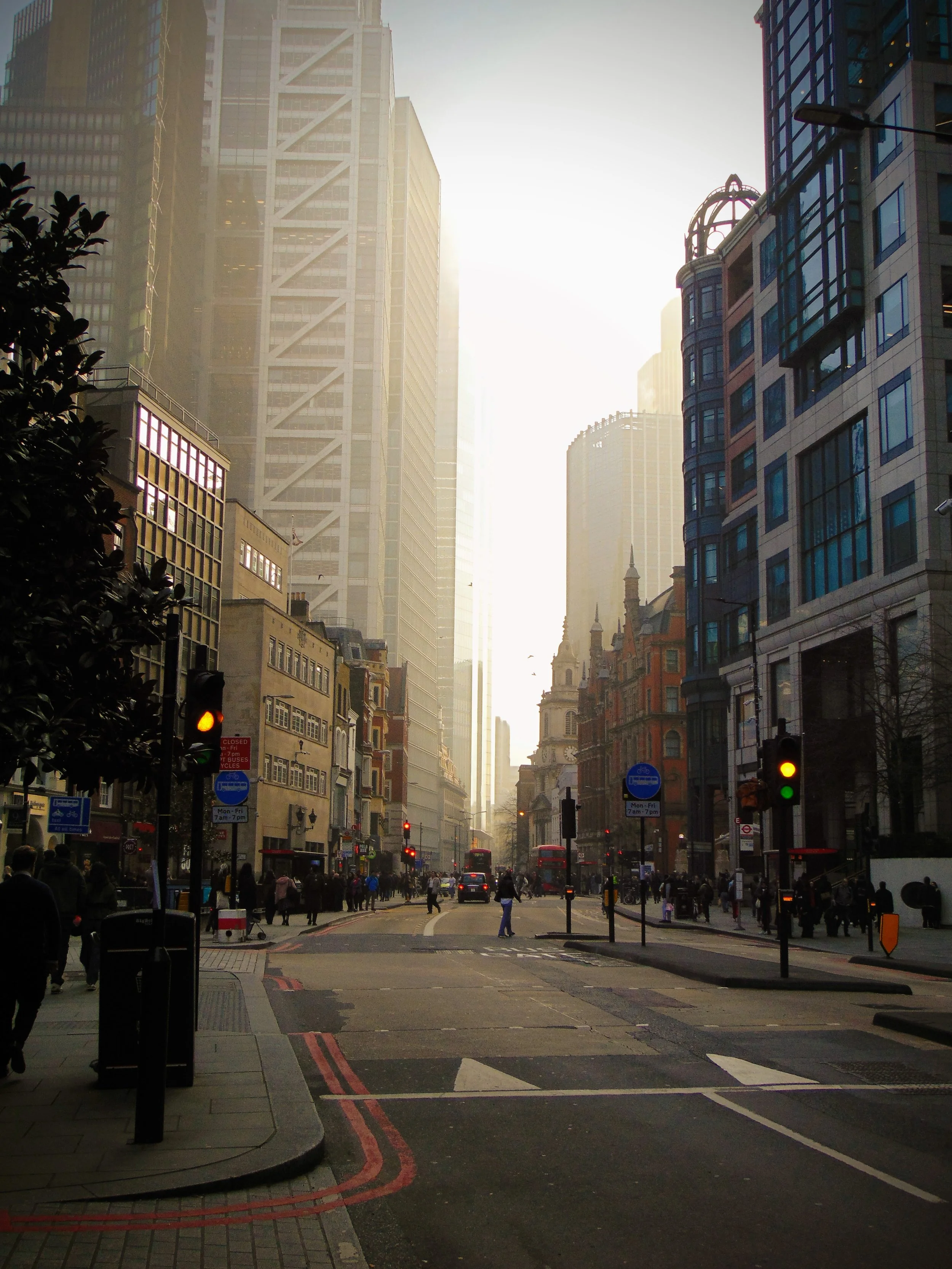
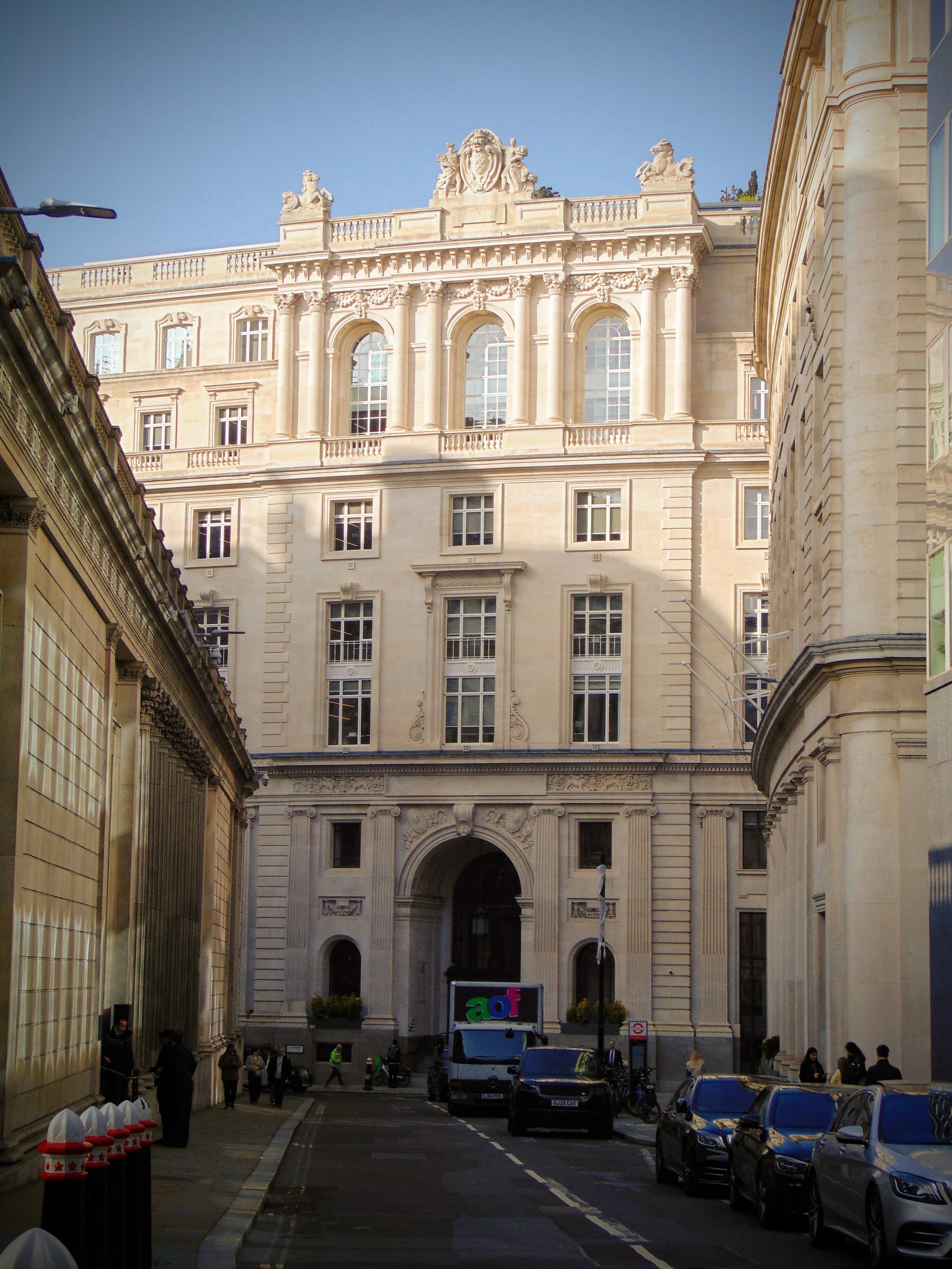
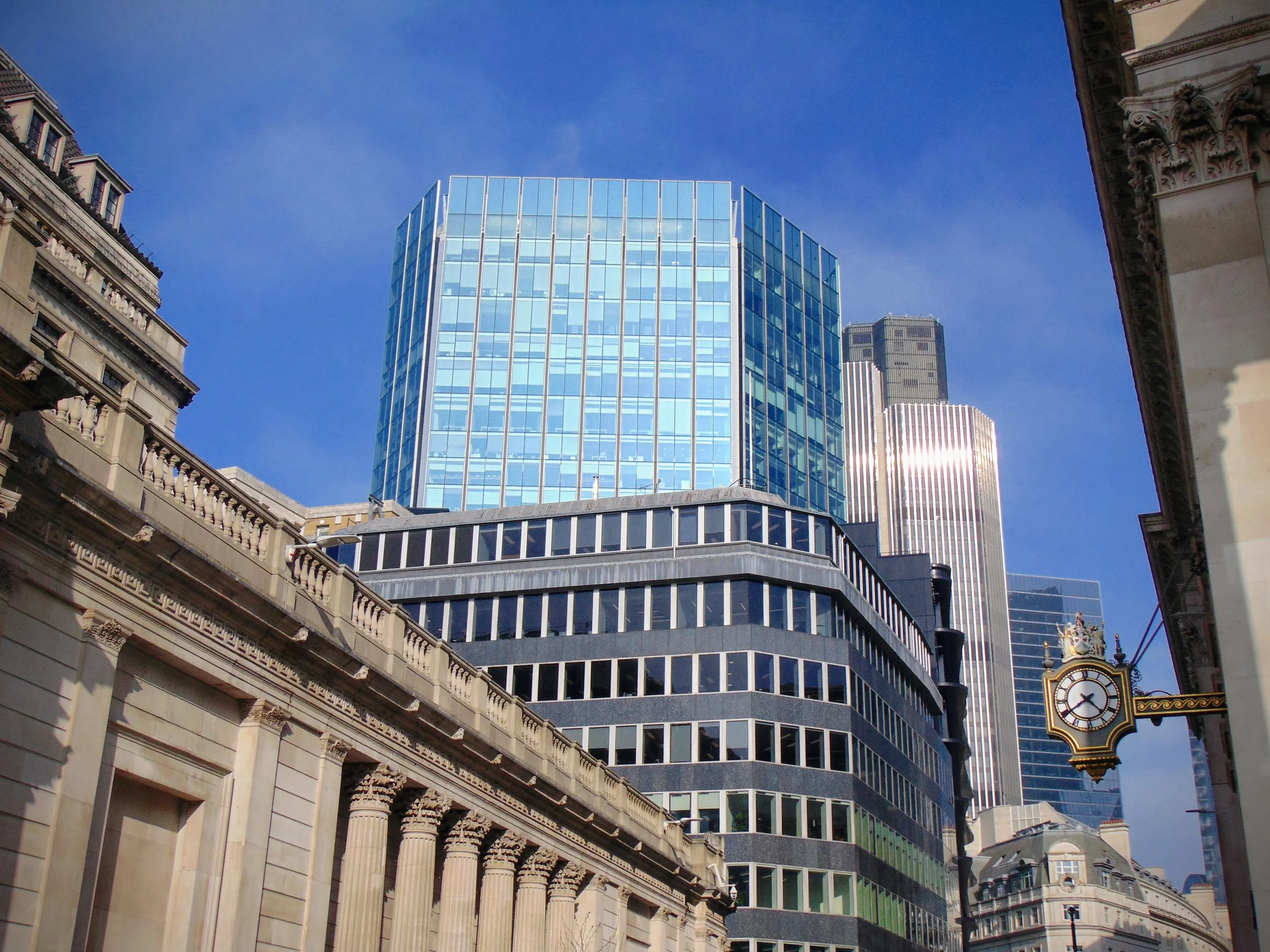
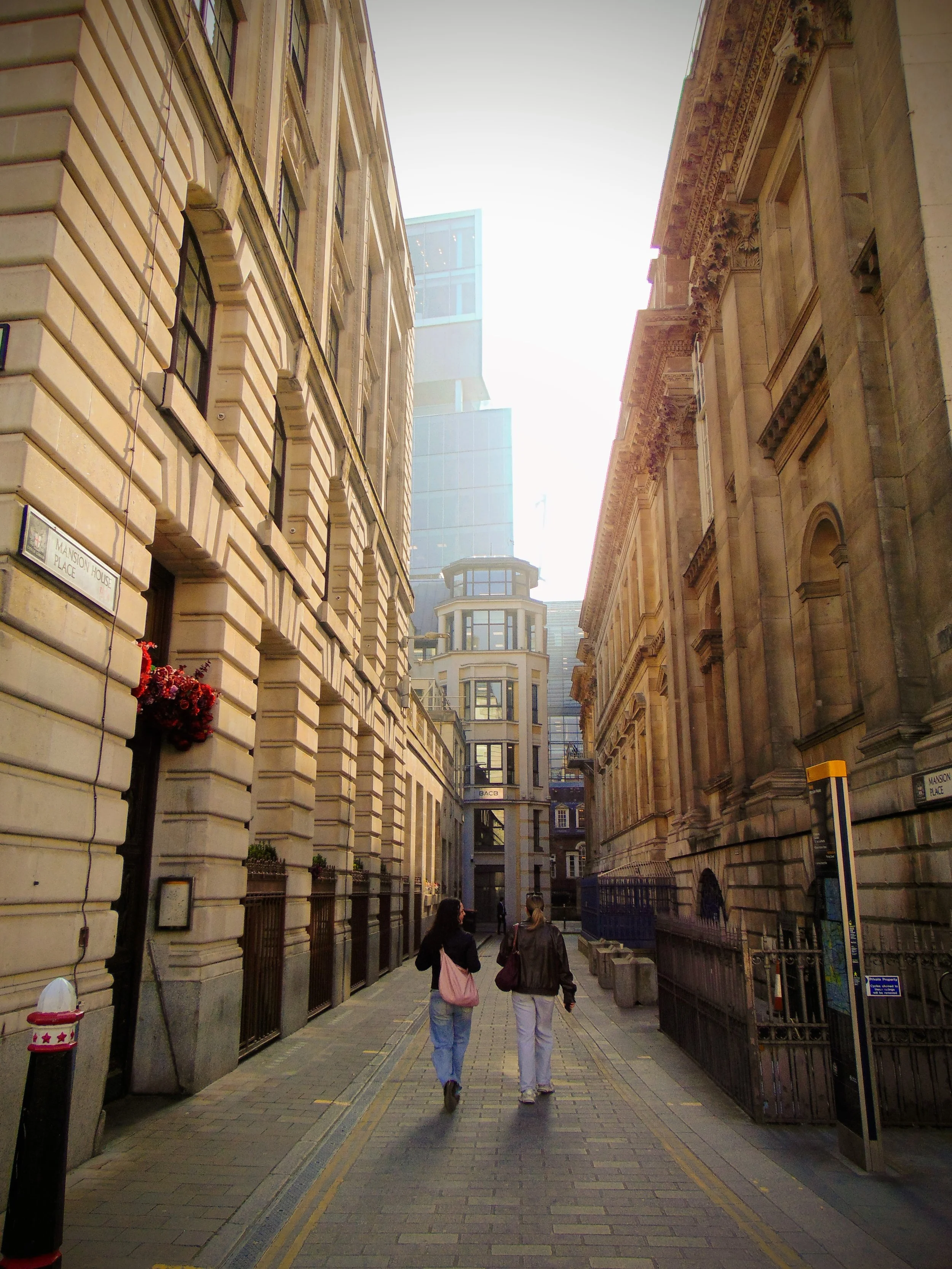
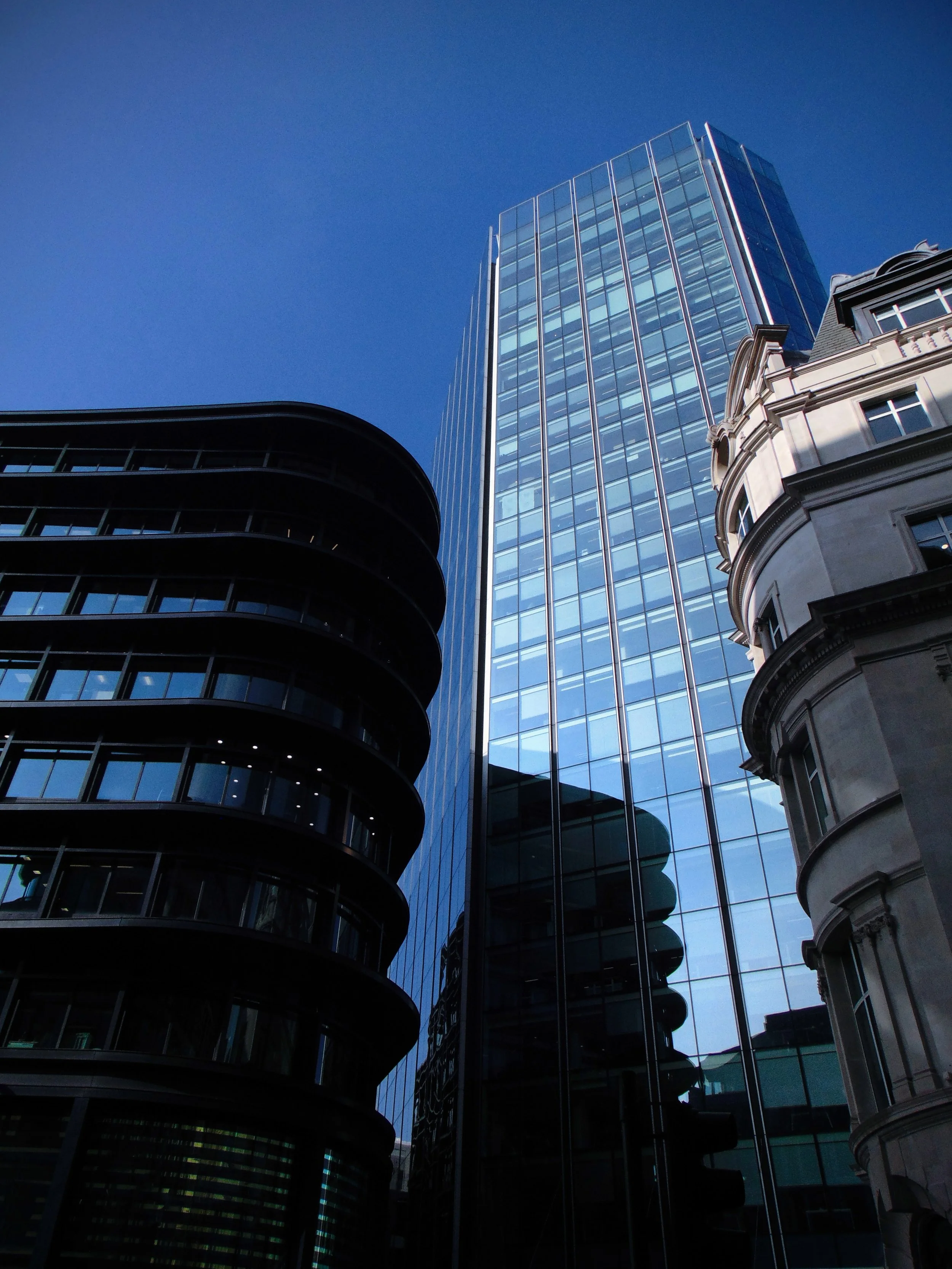
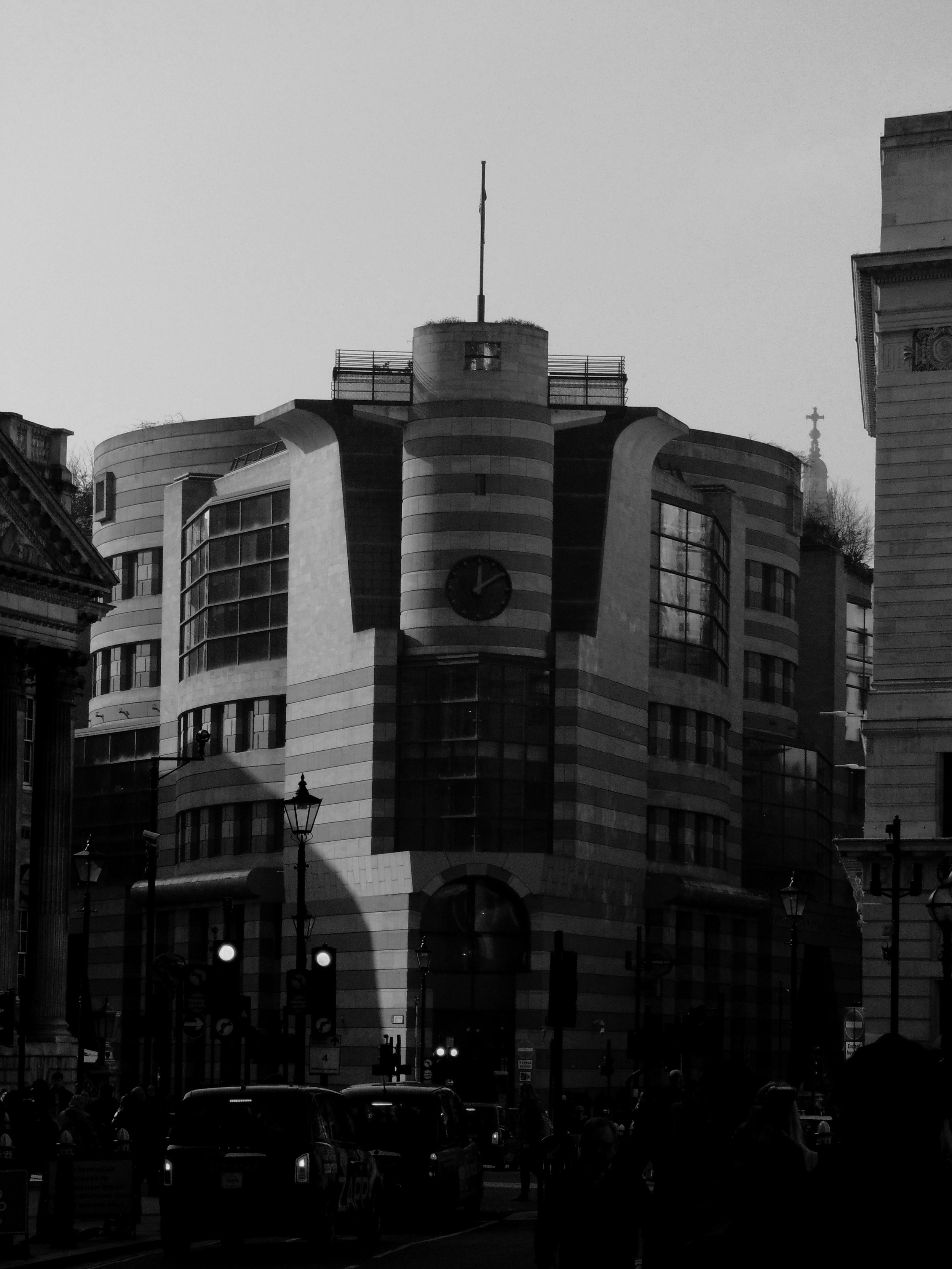
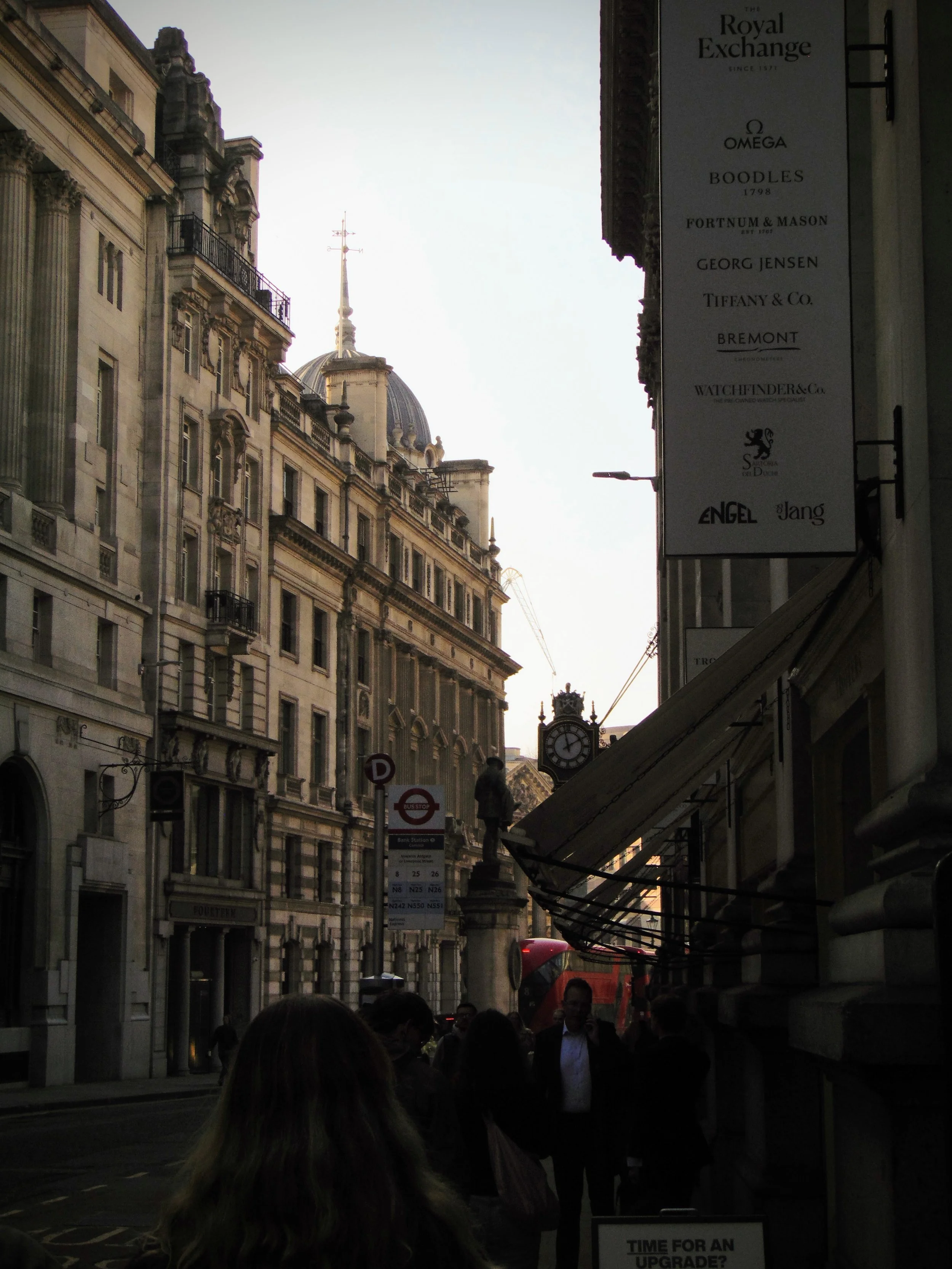
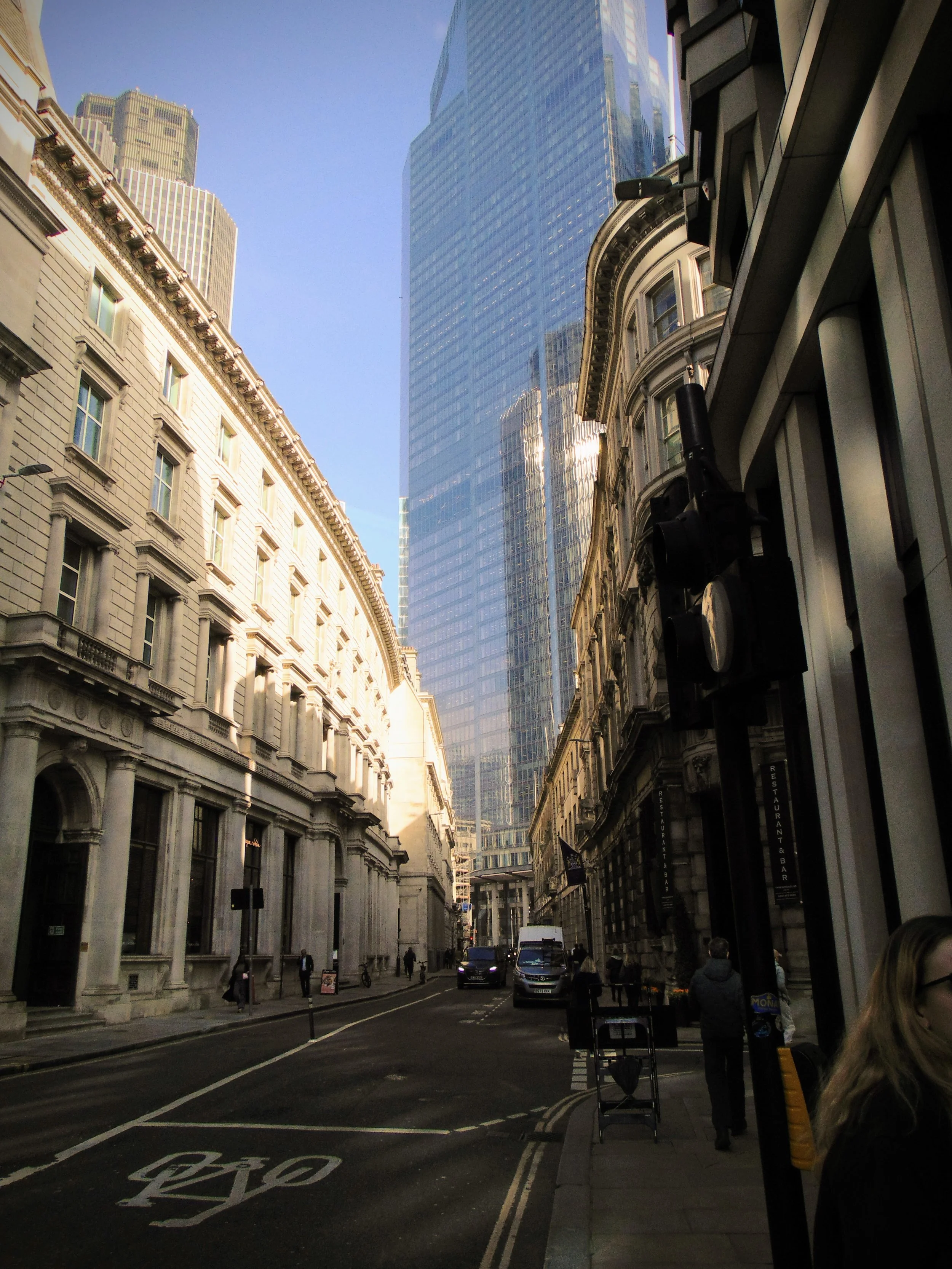
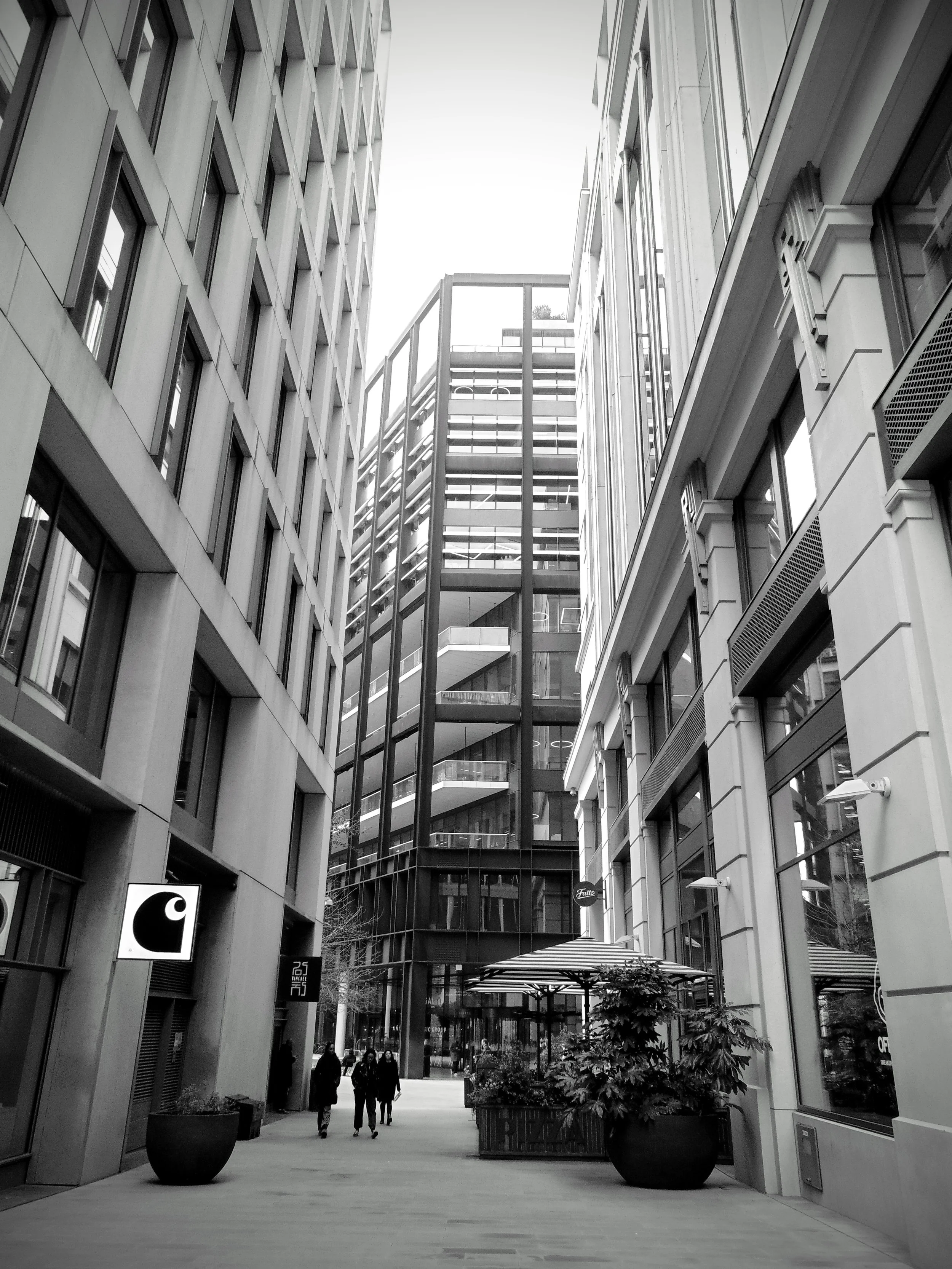
Wednesday afternoon took us to the London Mithraeum, a Roman temple preserved in the basement of a Bloomberg building in the city, and then a walk around the surrounding area. The Mithraeum is a good piece of experience design: low light, carefully considered sound, the ruin presented without over-explanation. The walk around the city afterwards is a good reminder that London's relationship with its own history is visible and complicated everywhere you look.
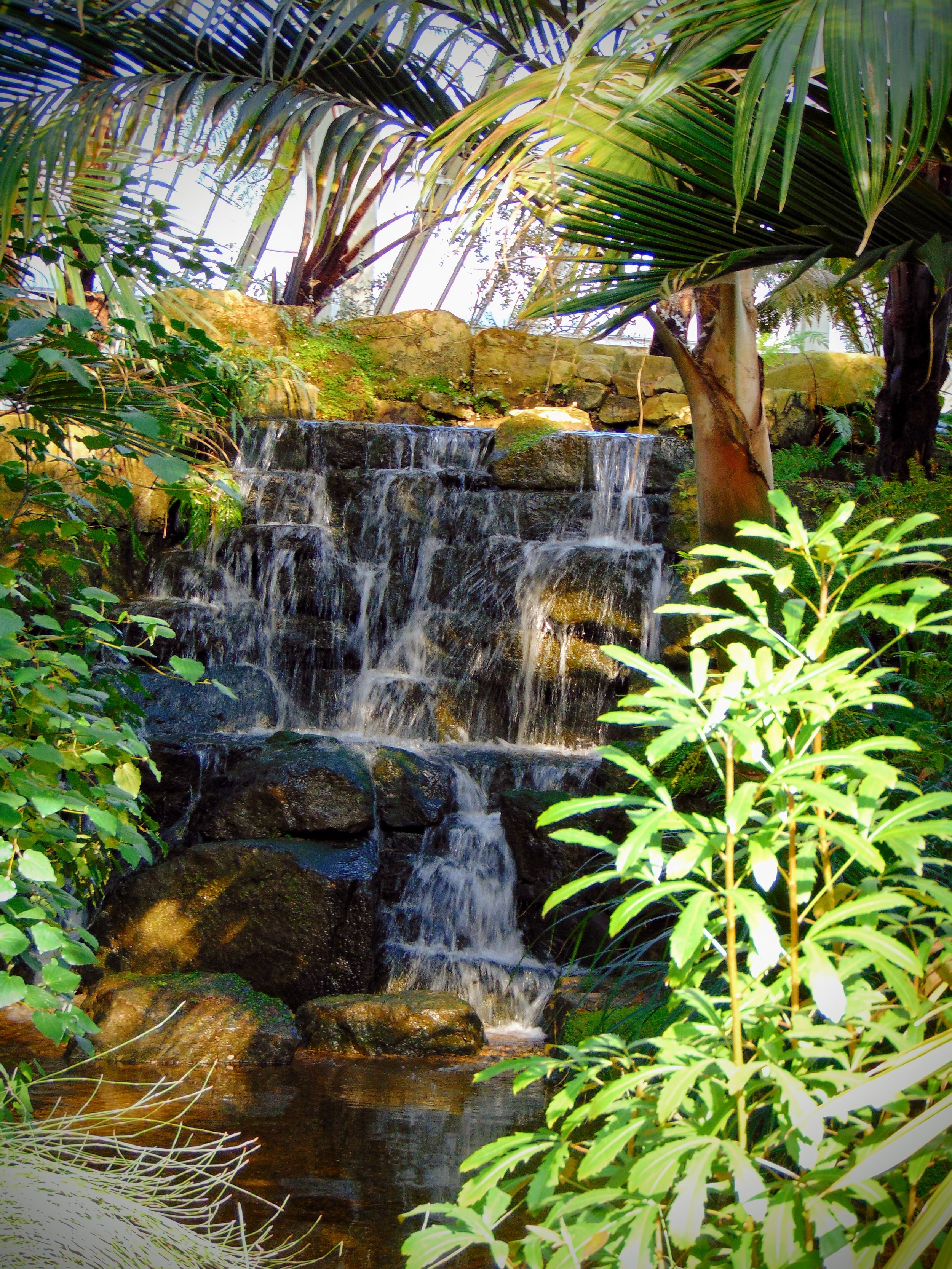
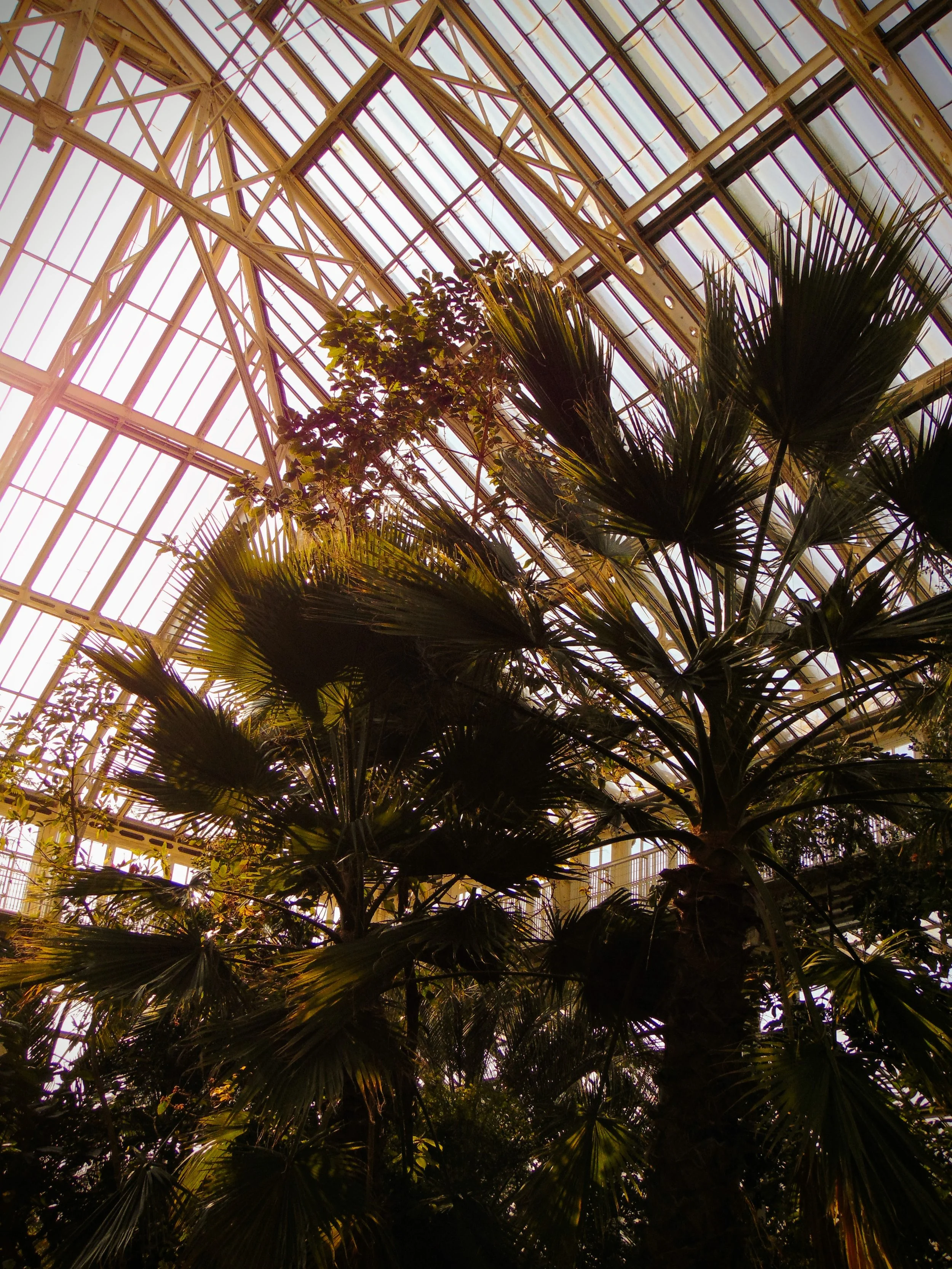
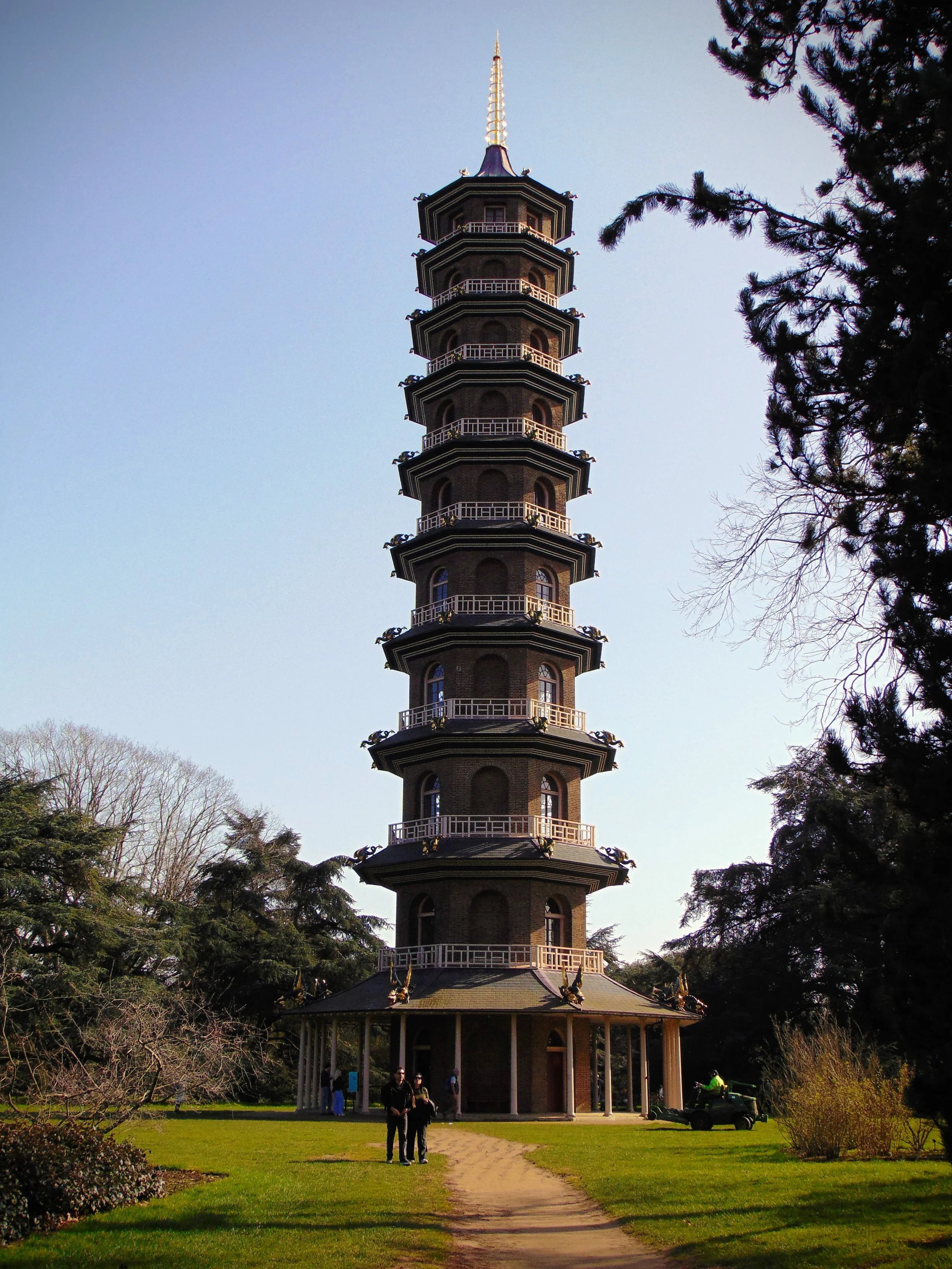
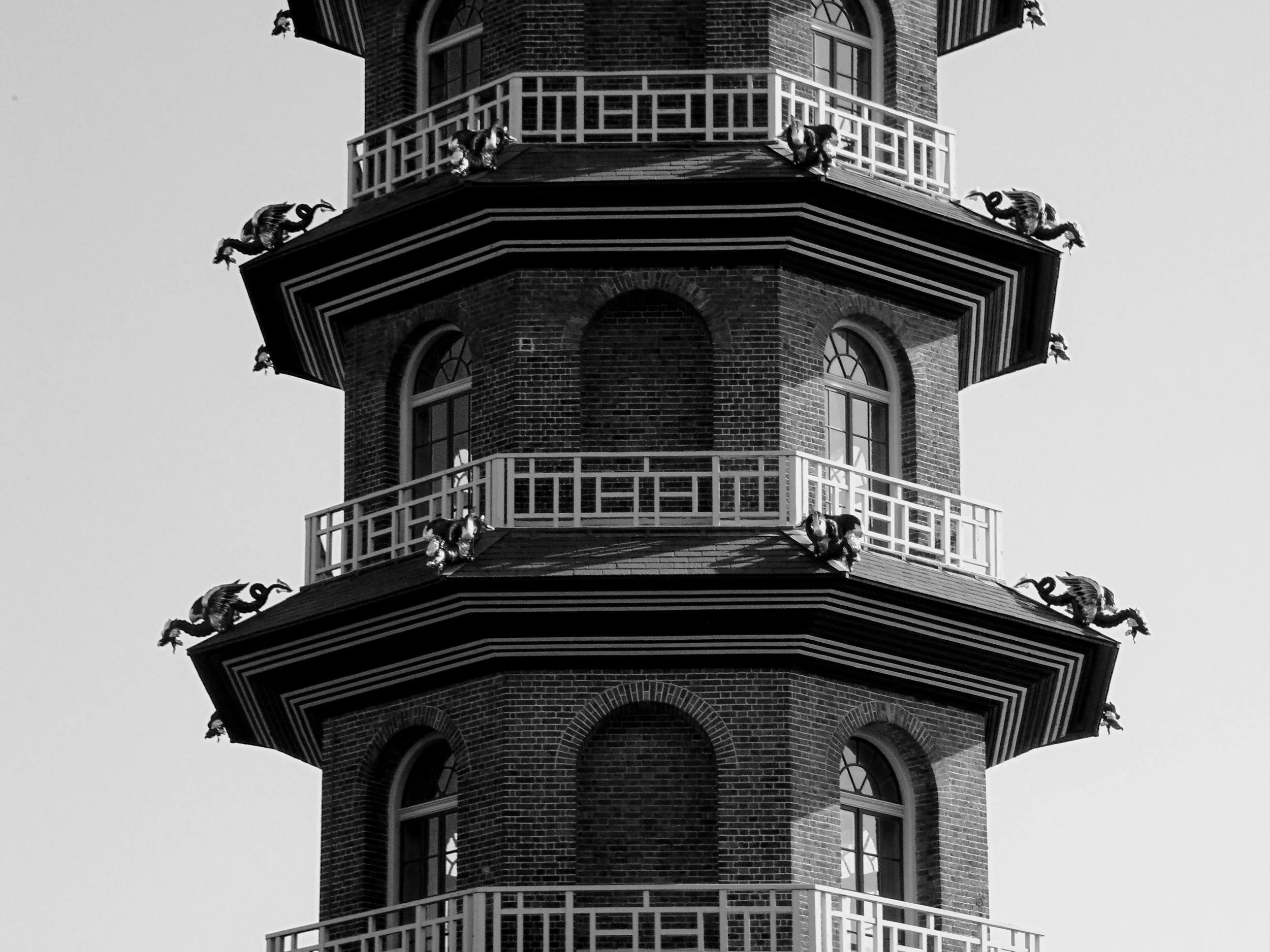
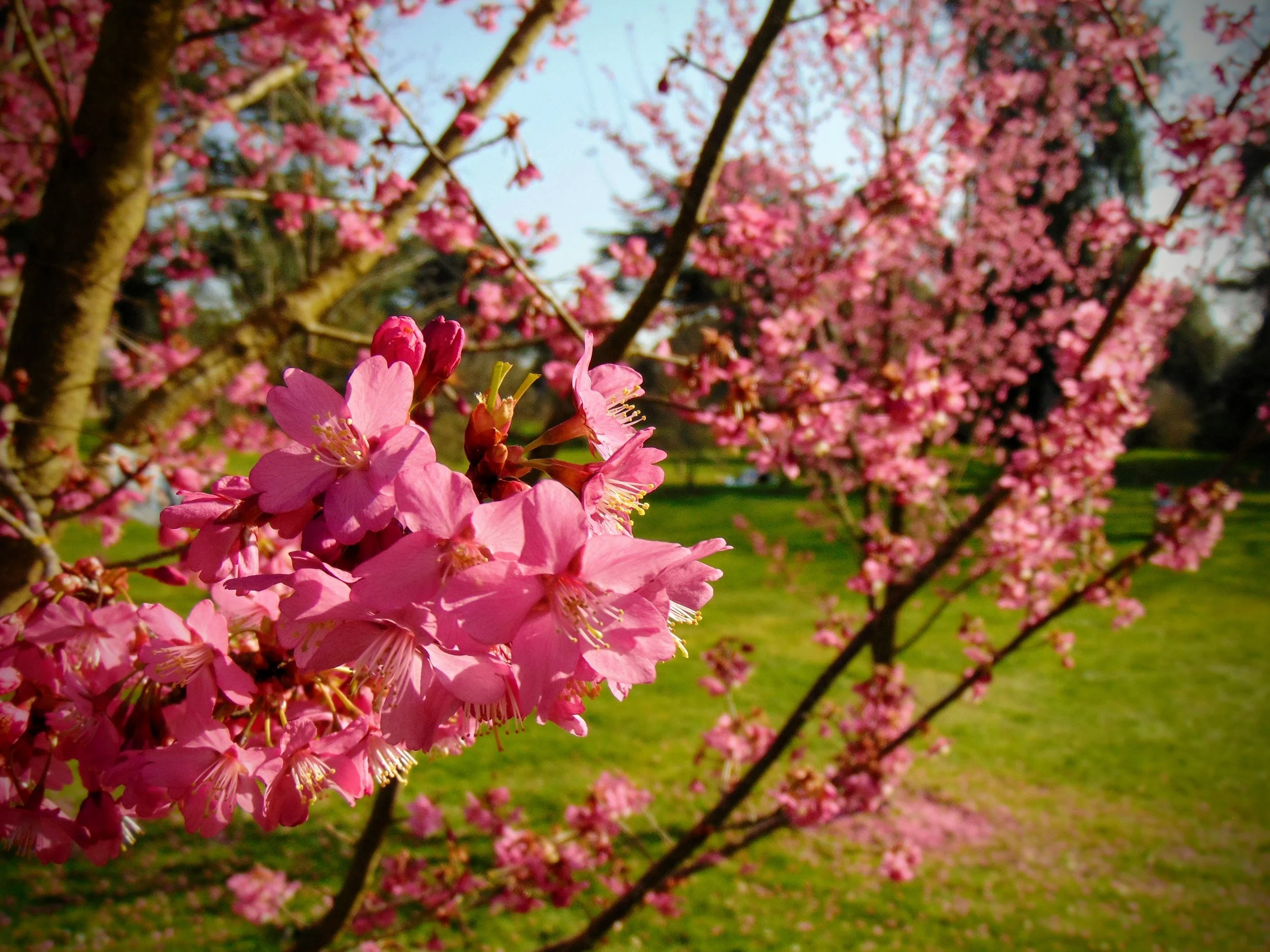
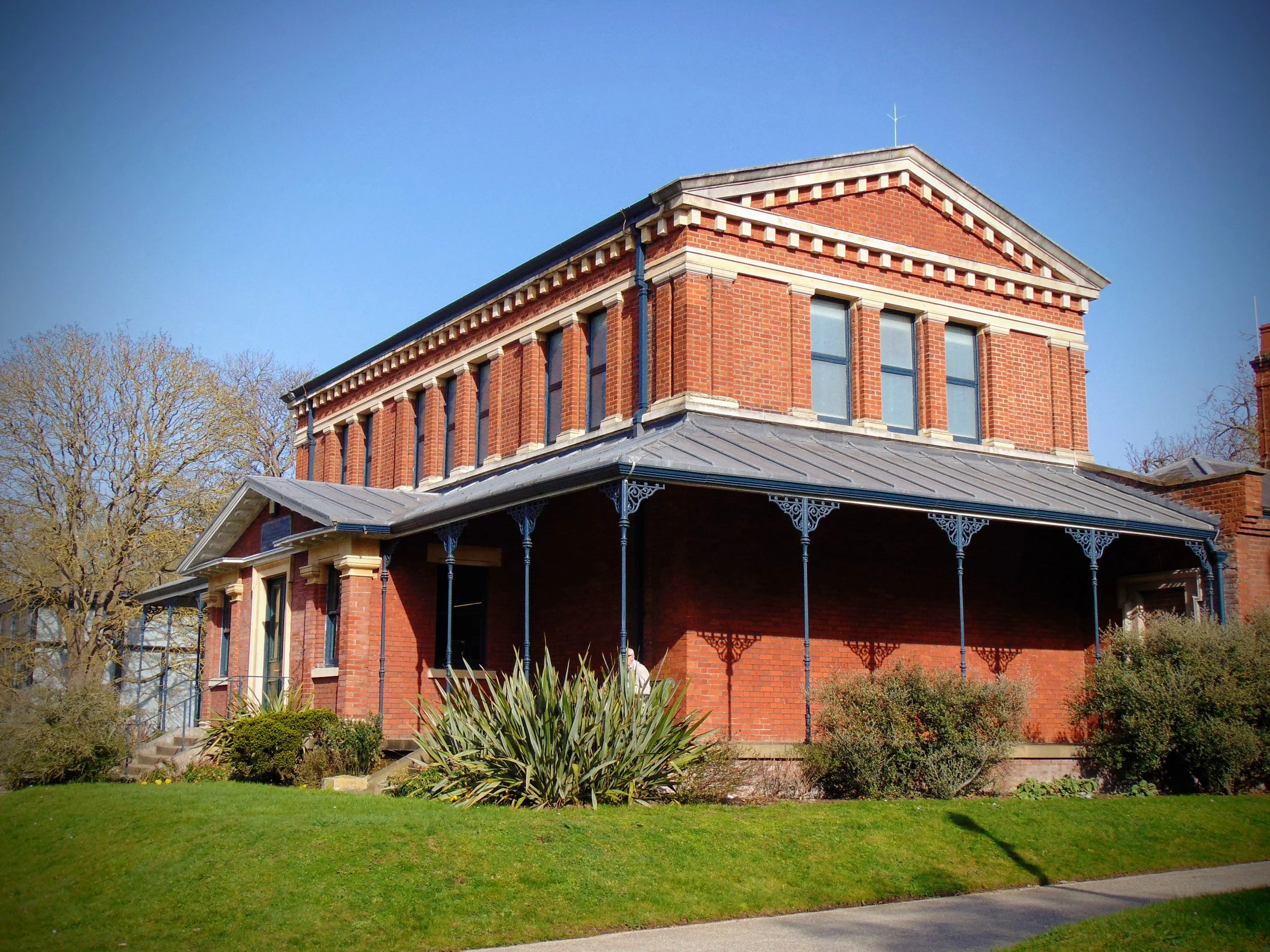
Thursday morning, while most of the group headed to the Wellcome Collection, we made for Kew Gardens. After four days of interiors, the landscape design of it was a breath of fresh air in the most literal sense. Kew directs you without you noticing, sight lines, scale shifts, the movement from enclosed walled areas to open lawns to the extraordinary greenshouses. Every transition feels considered. Spatial design at a completely different scale to anything we'd seen that week, and just as deliberate.
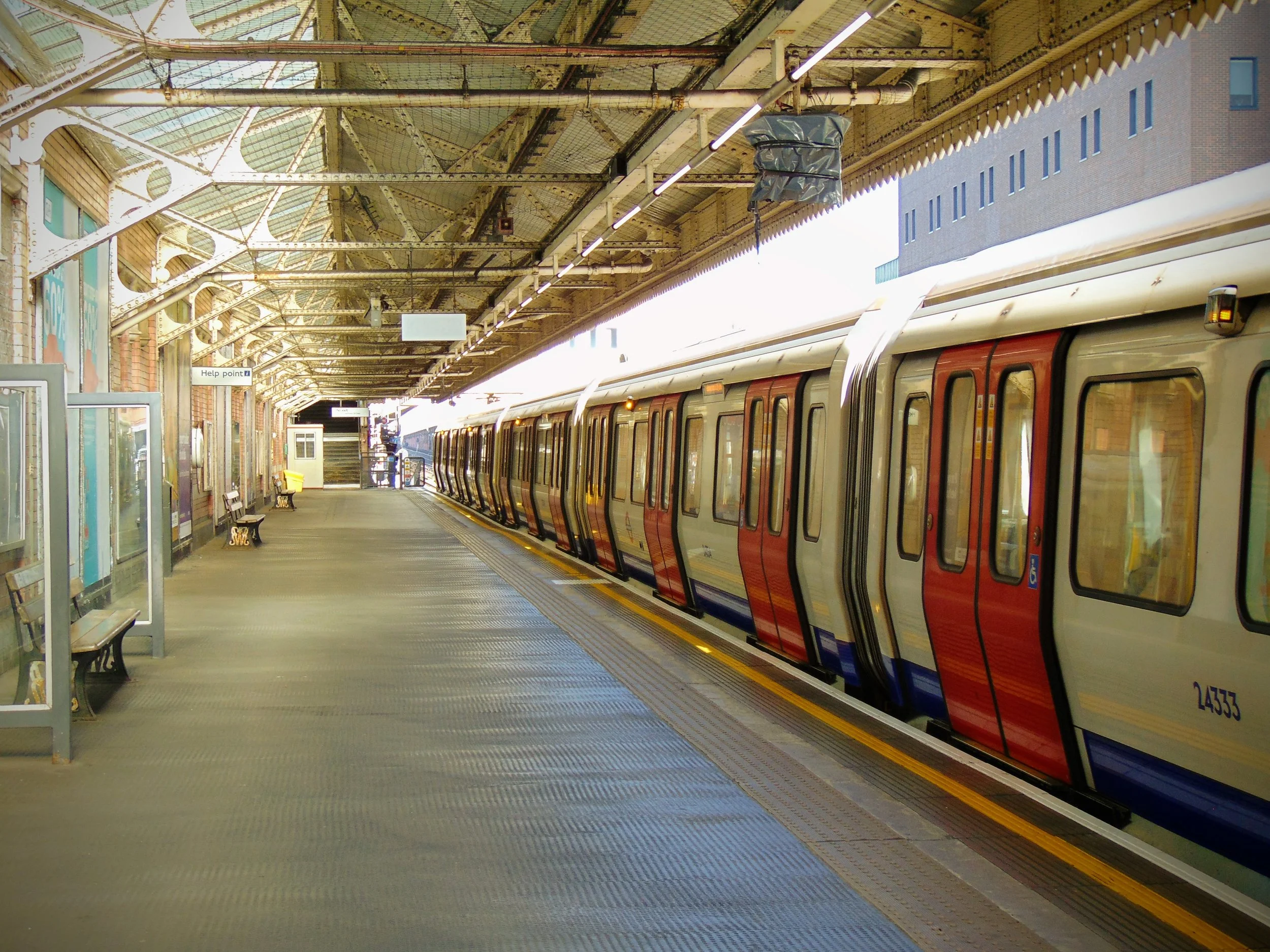
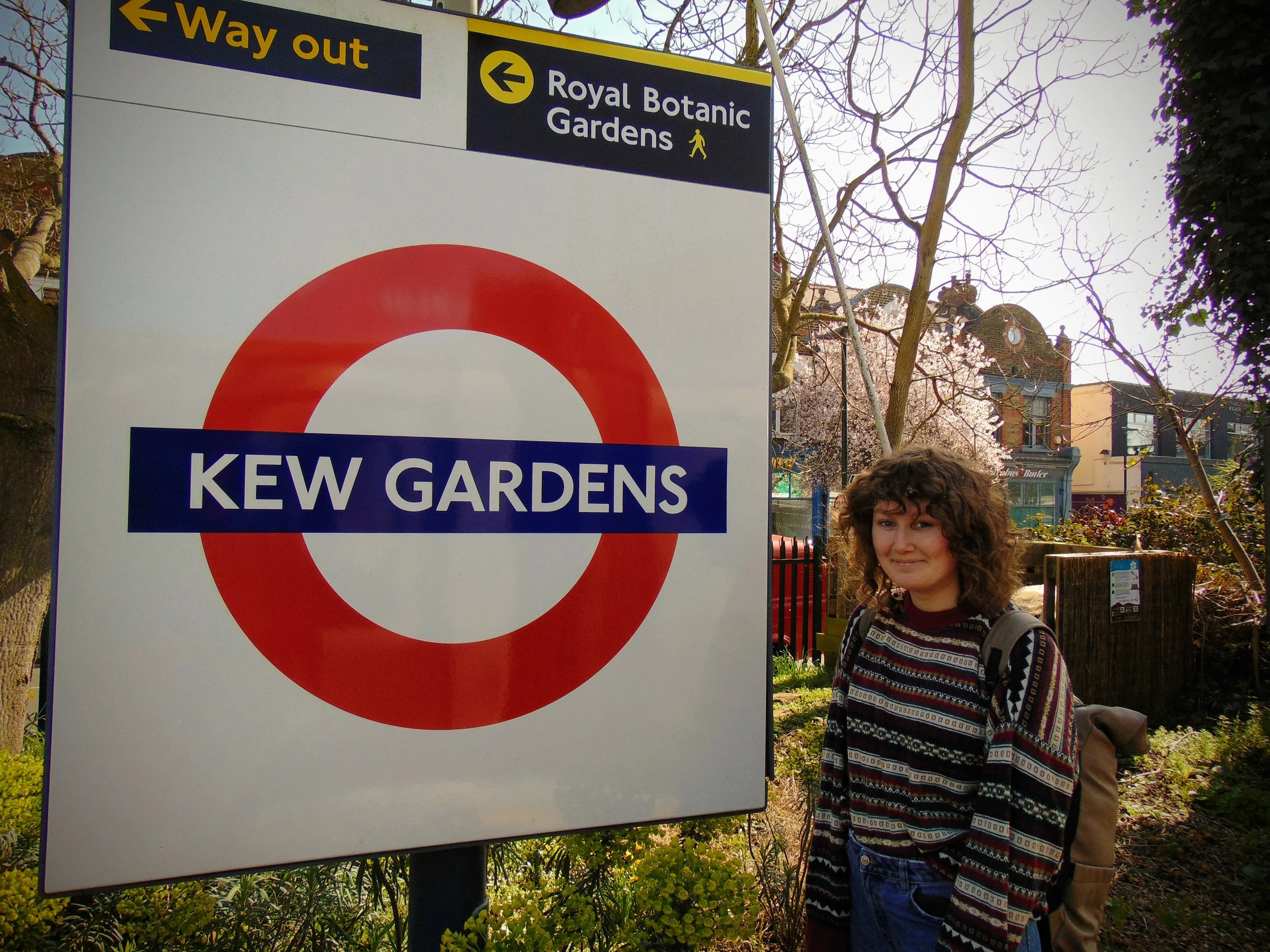
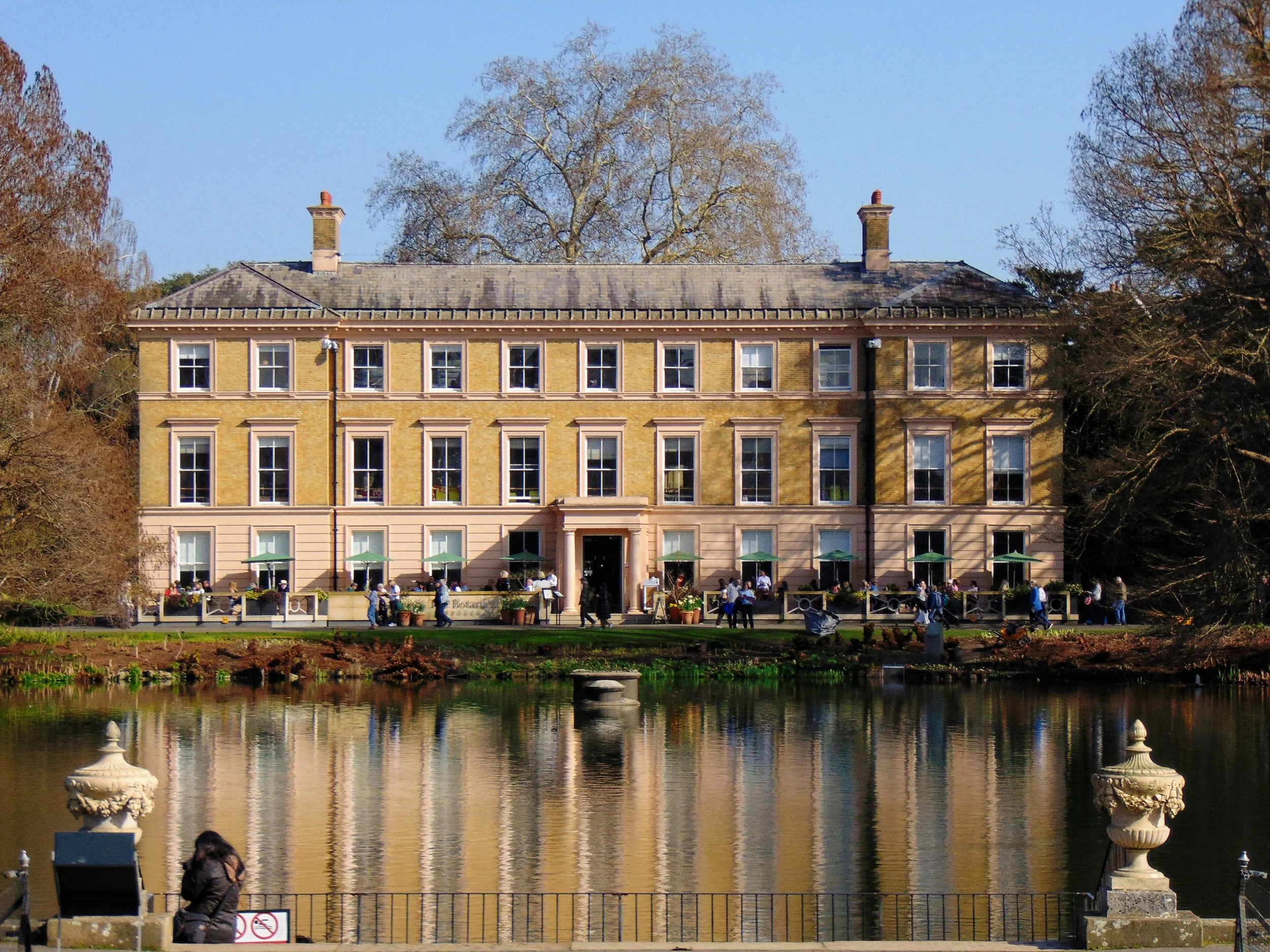
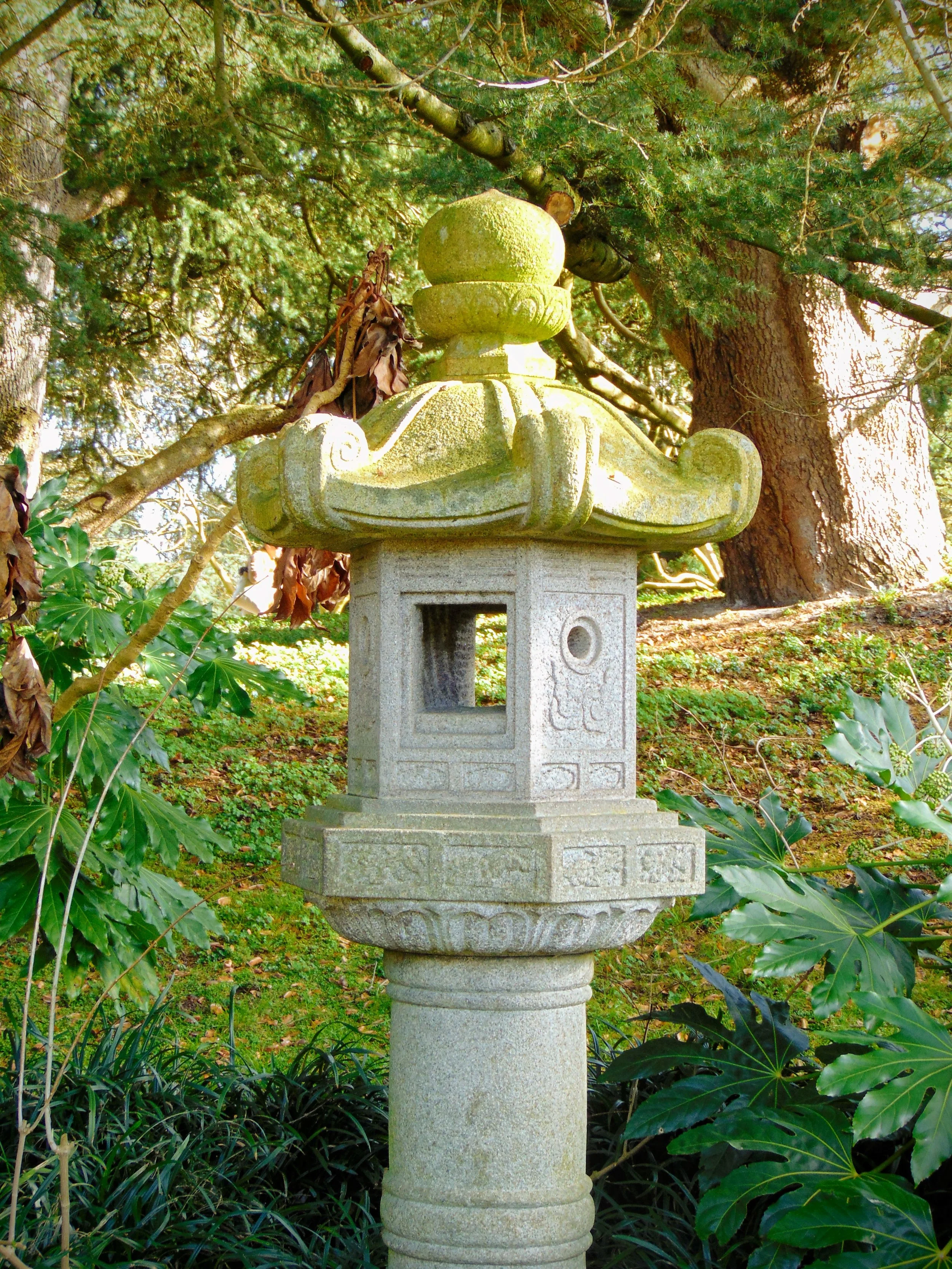
From London we headed up to Nottingham for a few extra days, which we'd planned in advance. It turned out to be a good call.
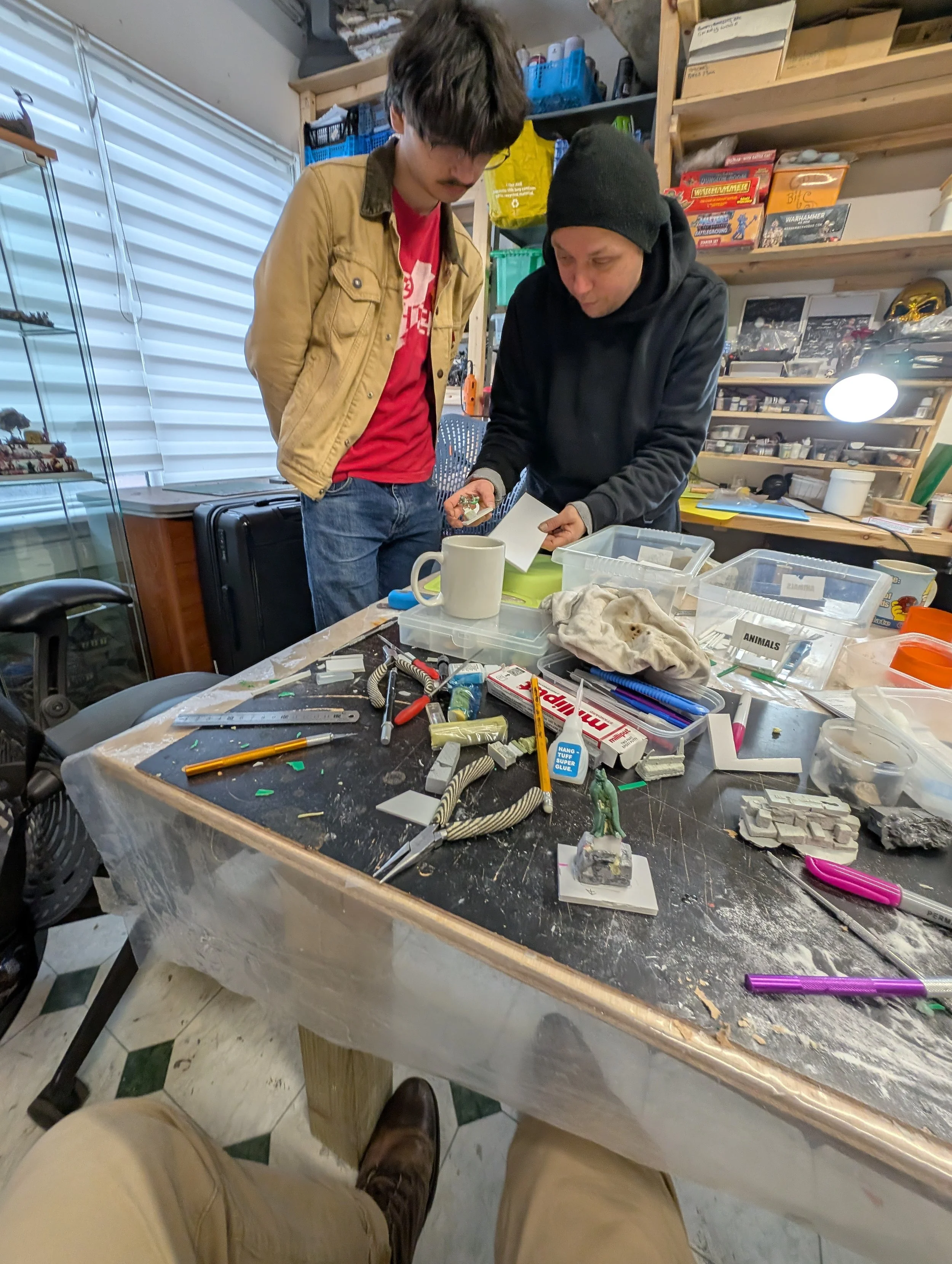
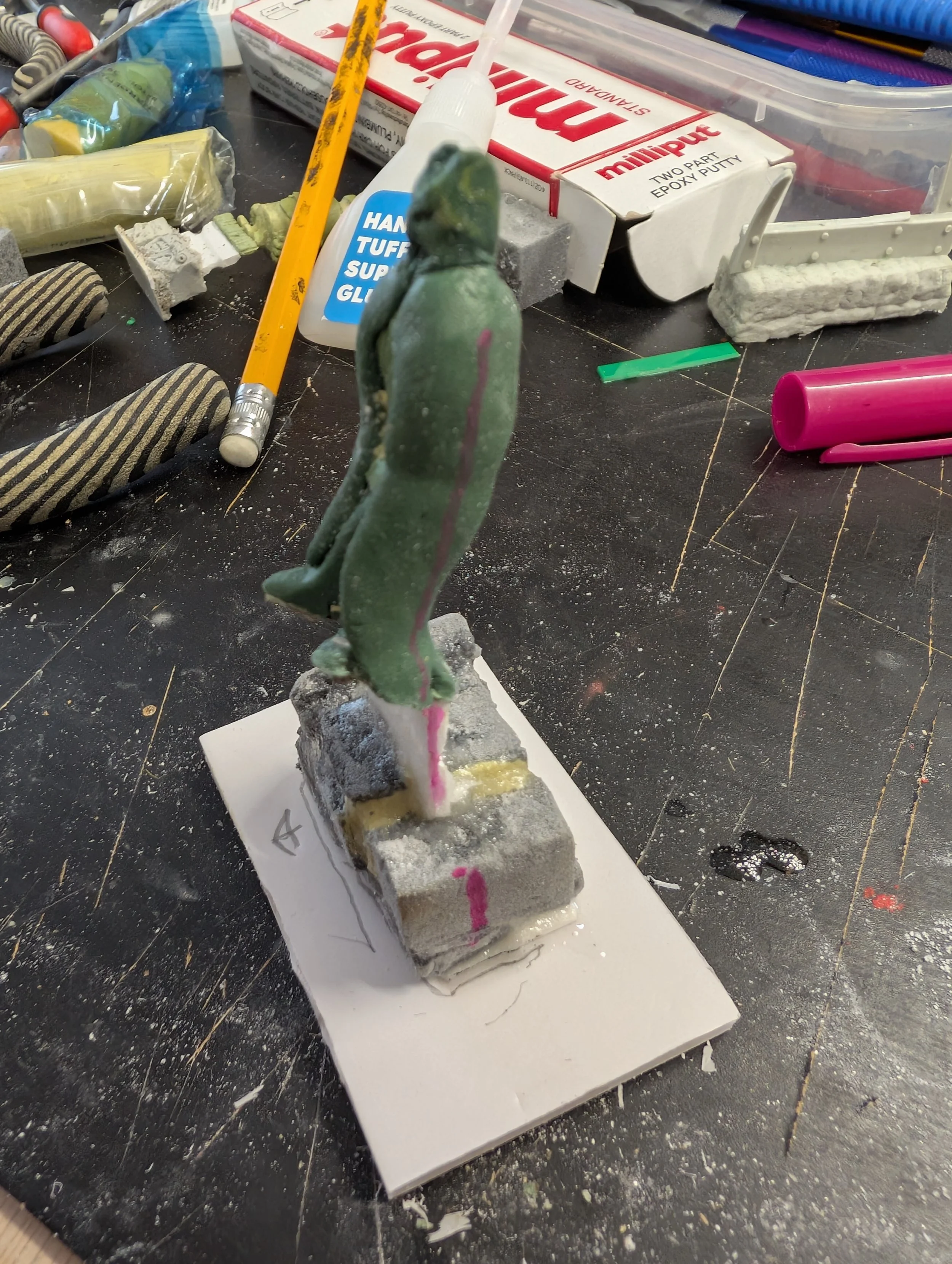
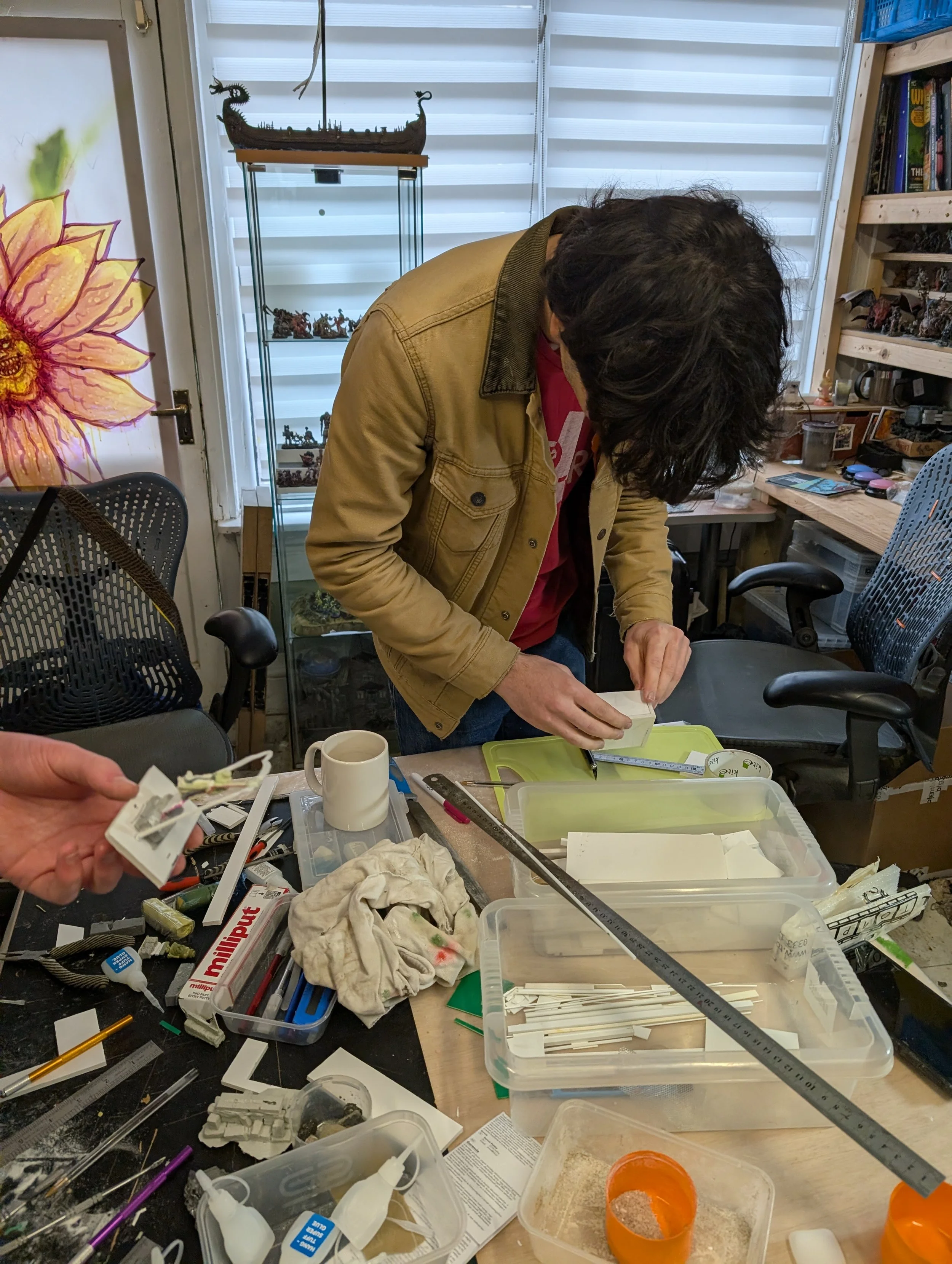
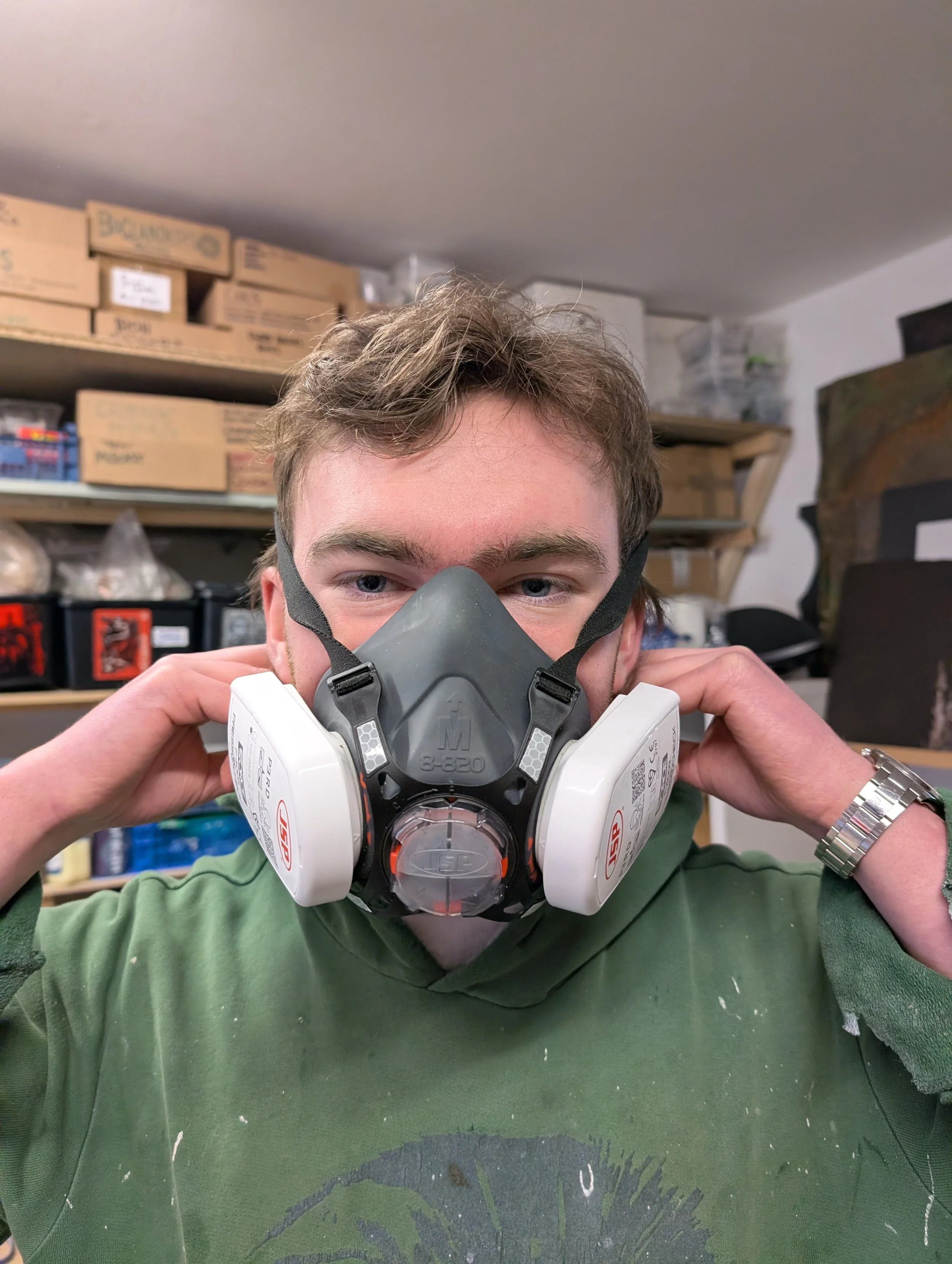
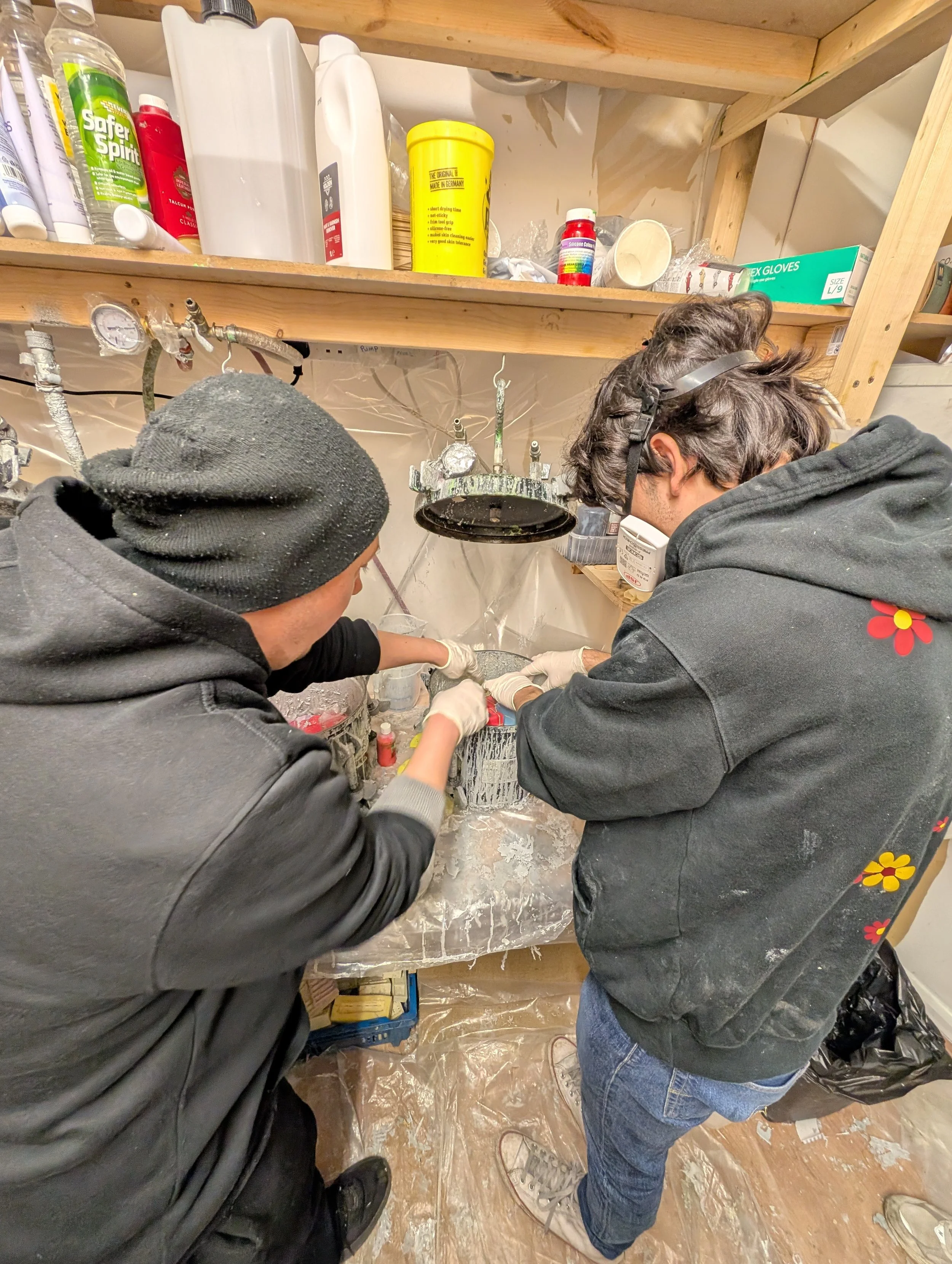
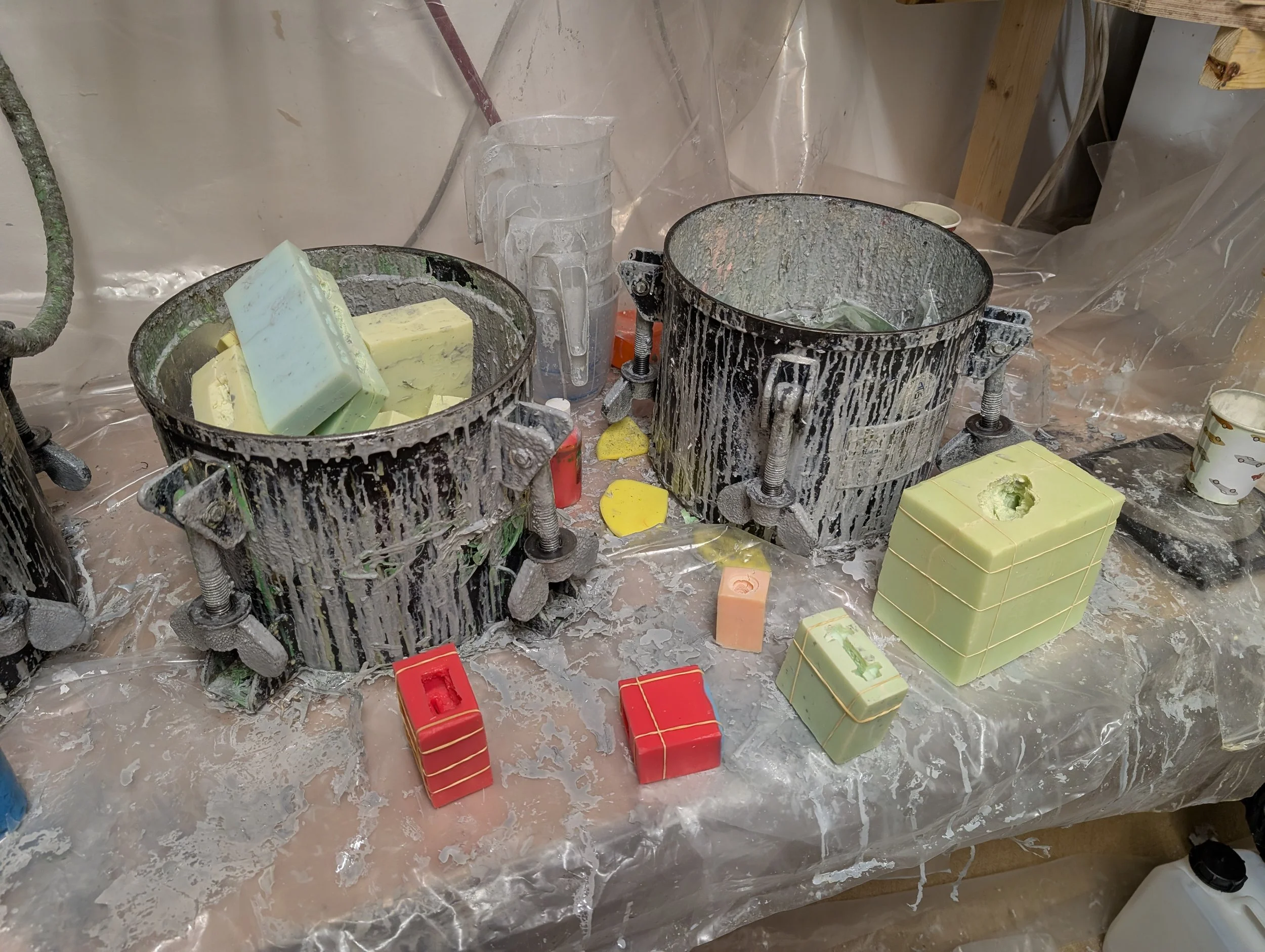
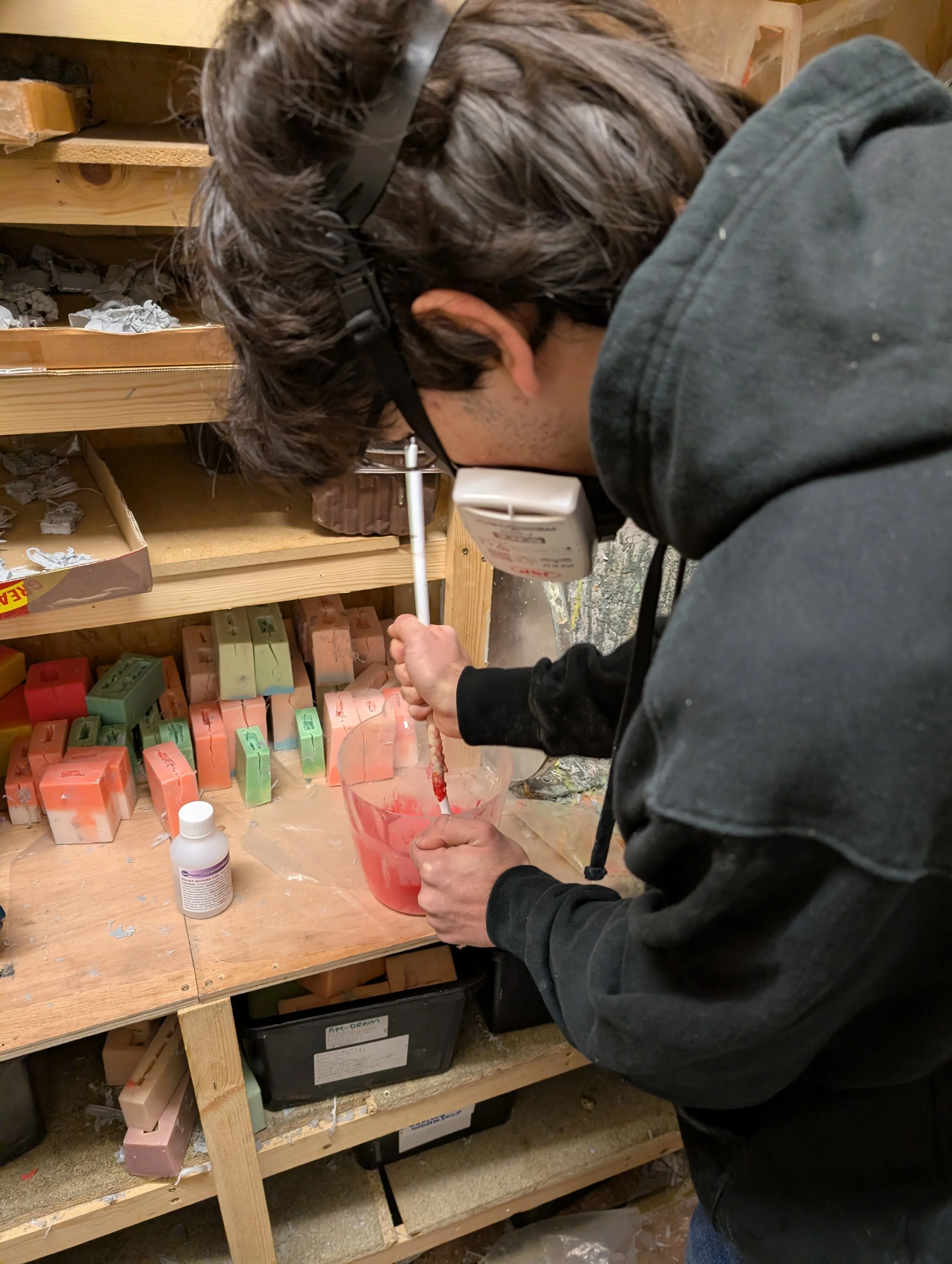
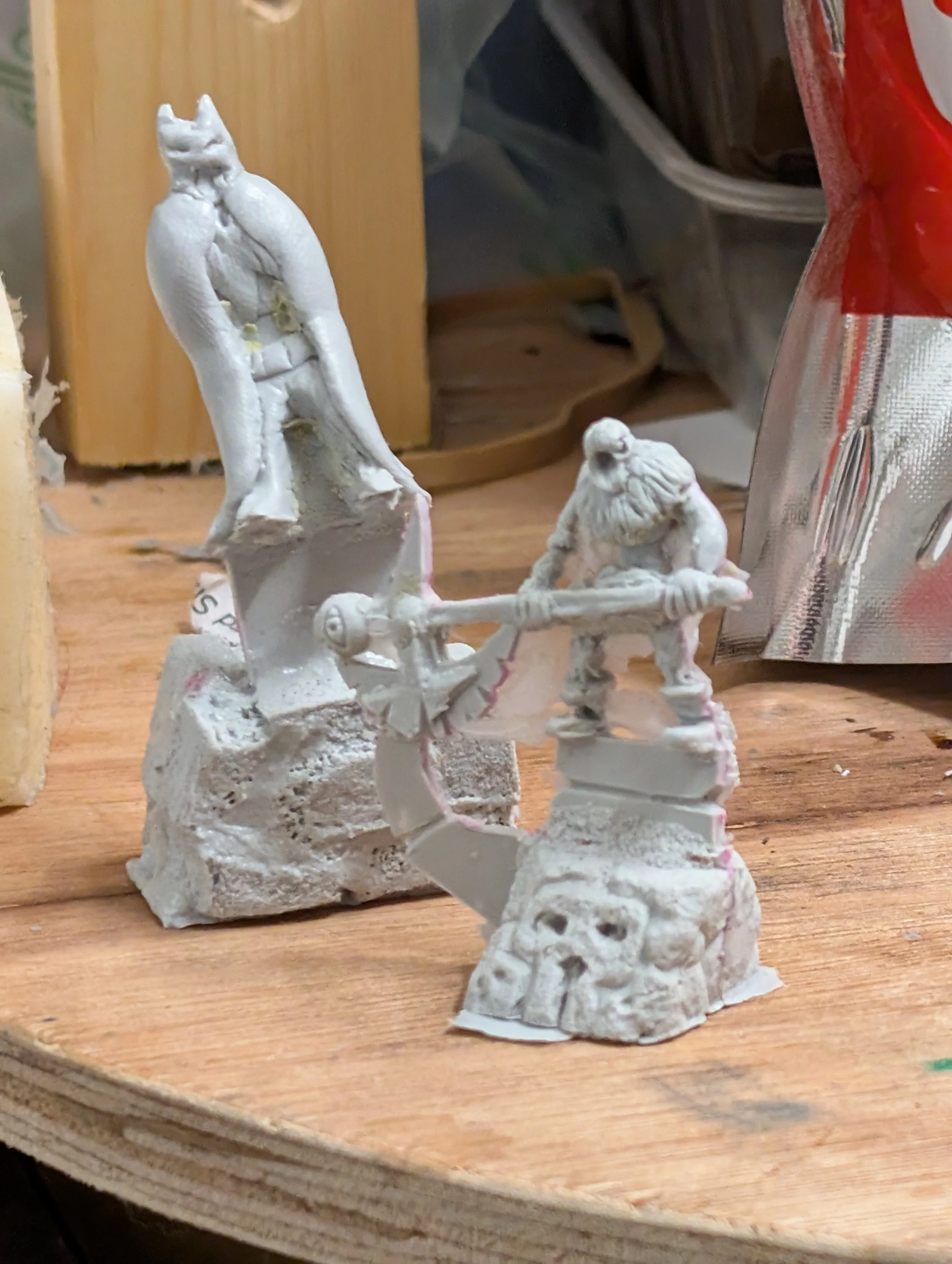
First stop was a casting workshop with Curtis Fell at Ramshackle Games. Curtis runs the whole operation himself, sculpting, moulding, casting, selling, all from a single workshop. We went through the entire process from scratch: sculpting the miniatures, building mould boxes, pouring the rubber moulds, then casting into them with resin. It takes longer than you'd expect and goes wrong in more ways than you'd expect, and that's half the point. There's a directness to working like that, no layer of the process is hidden from you, that changes how you think about the objects at the end of it. Having made the thing yourself, you understand it in a way you simply don't when you buy it off a shelf.
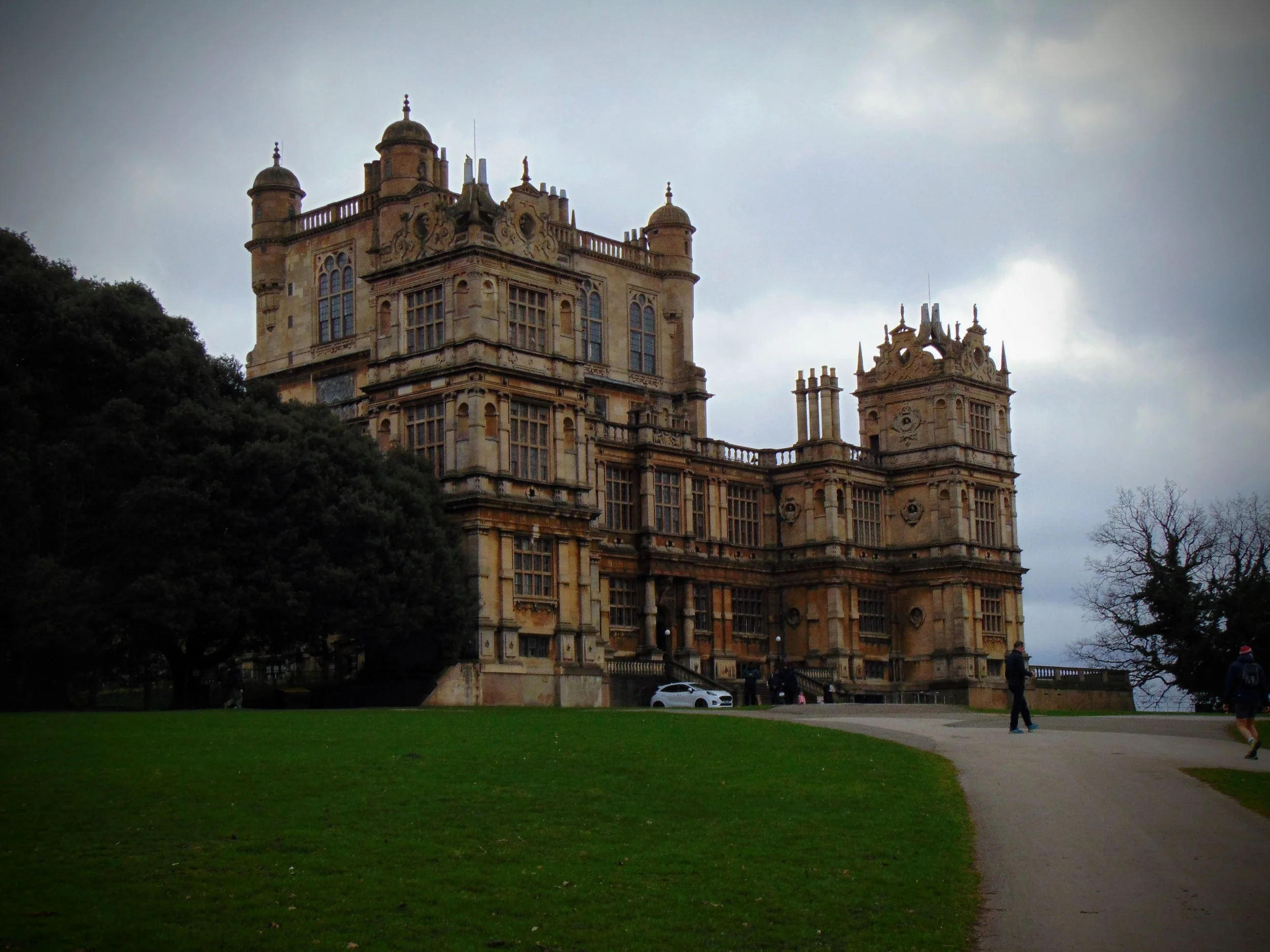
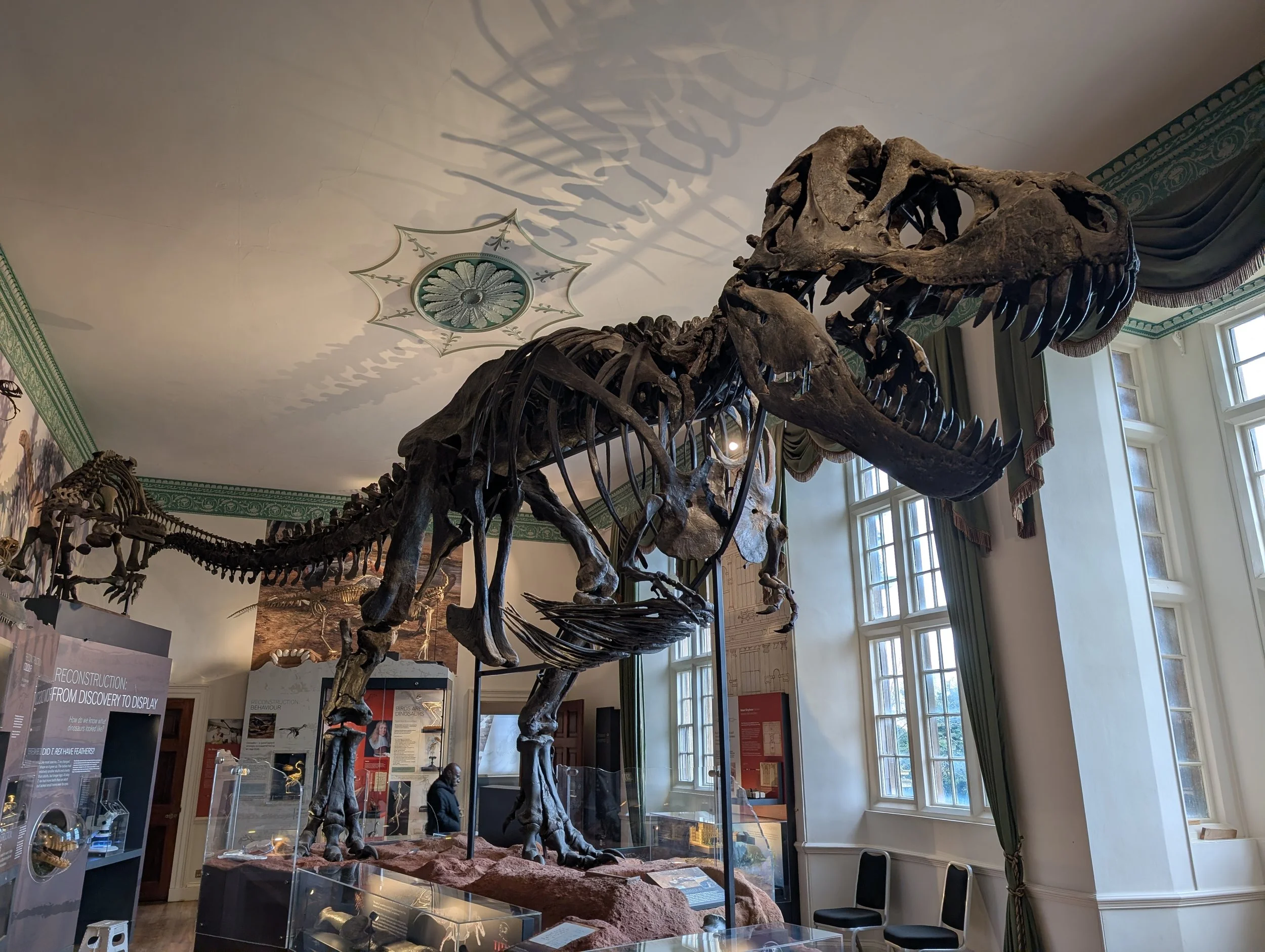
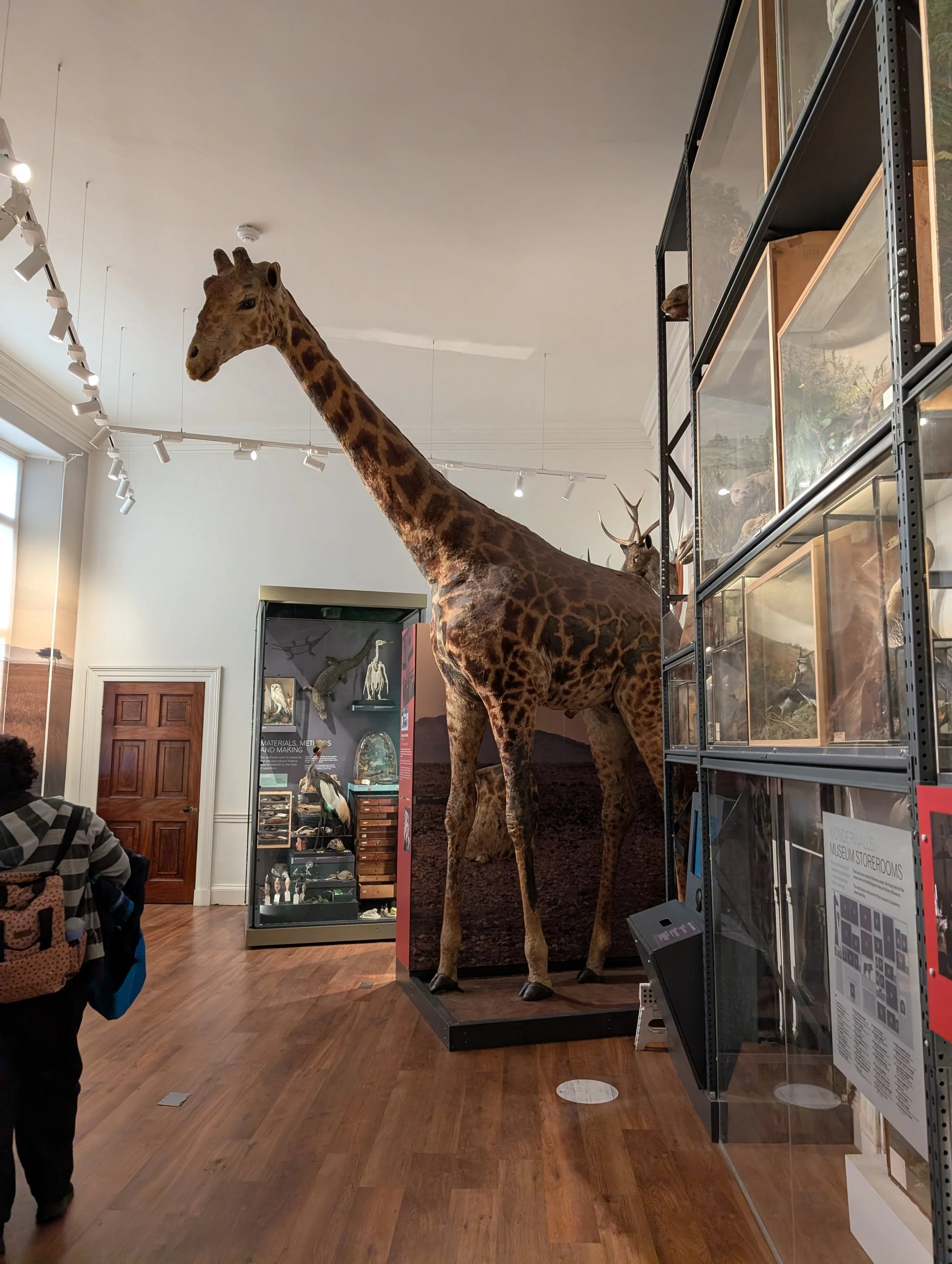
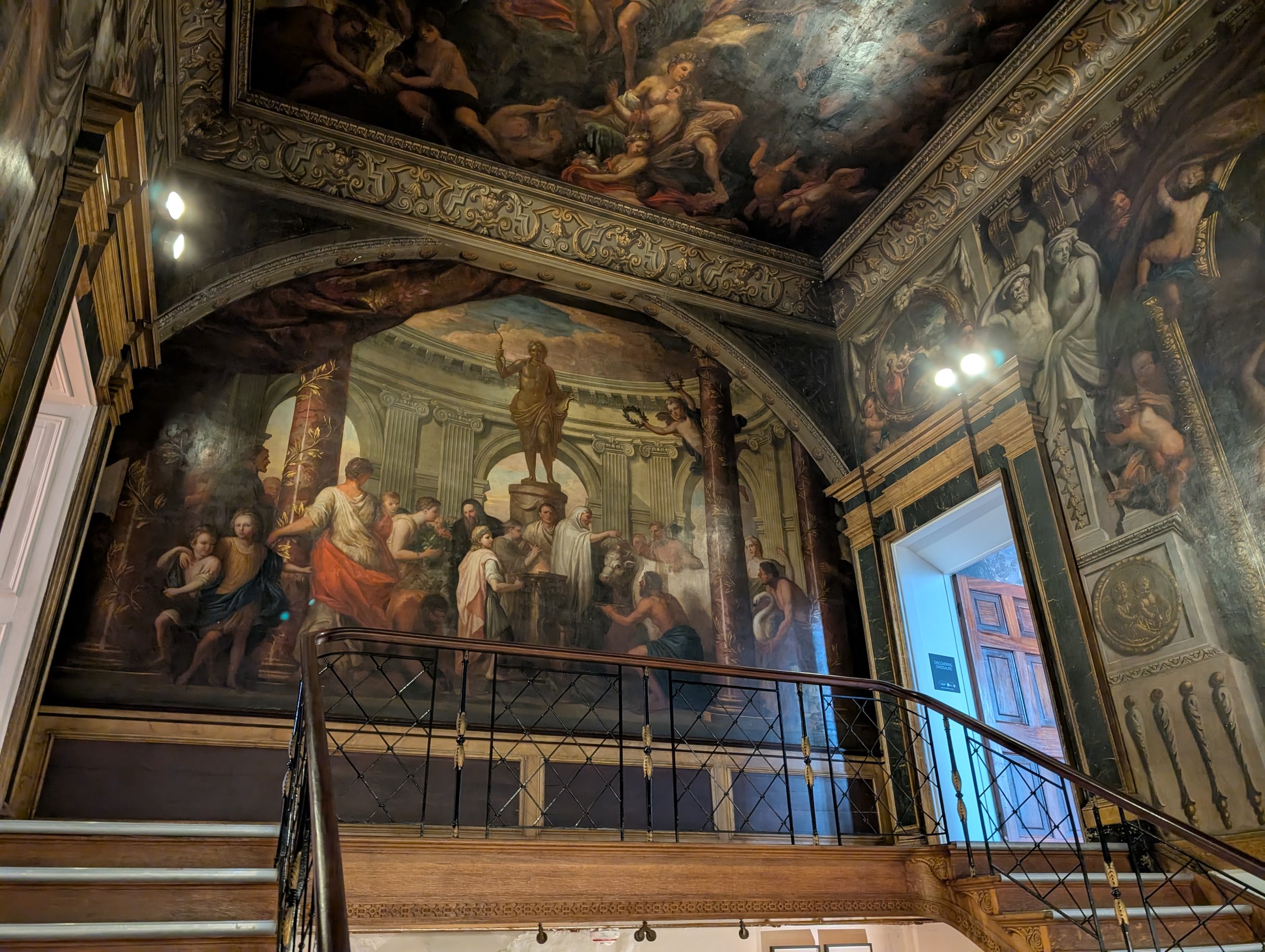
From there we visited Wollaton Hall, an extraordinary building sitting in a deer park on the edge of Nottingham. The natural history collection inside suits it perfectly. Cabinets of specimens, taxidermy, geology, the kind of collection that feels like it belongs in a place that dramatic. It's the sort of thing that's easy to write off as old-fashioned until you're actually standing in front of it, and then it's just fascinating. But the real highlight was the industrial museum in the stable block. The staff were genuinely brilliant, they took a real interest in us, walked us through every exhibit in detail, and at one point fired up an old lace machine that they apparently never normally run. Watching a piece of machinery that old actually working, with someone explaining exactly what you're looking at, is a completely different experience to reading a plaque. It's the kind of thing that only happens when you show up somewhere a bit unexpected and the people there respond to it. One of the best moments of the whole trip.
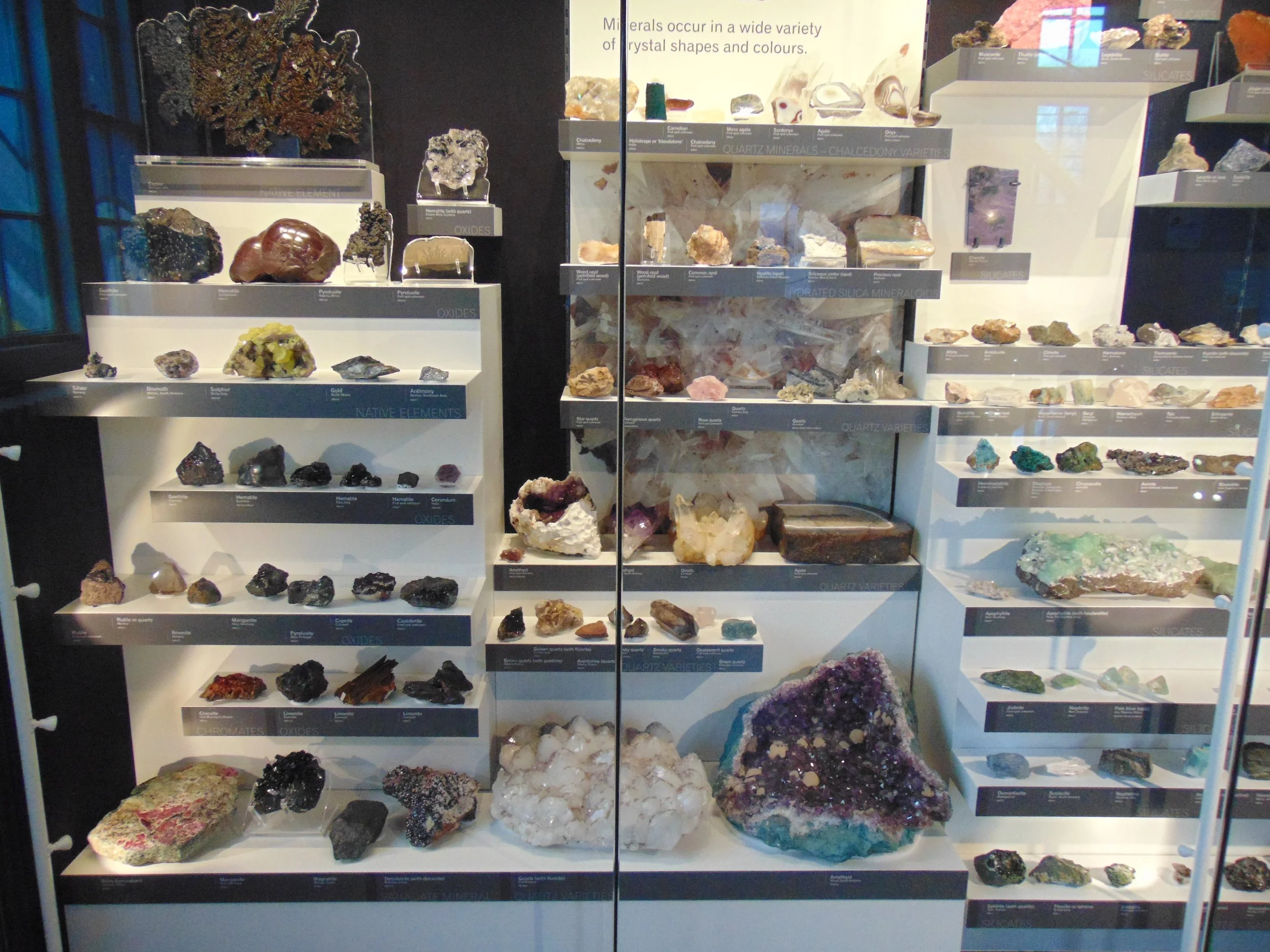
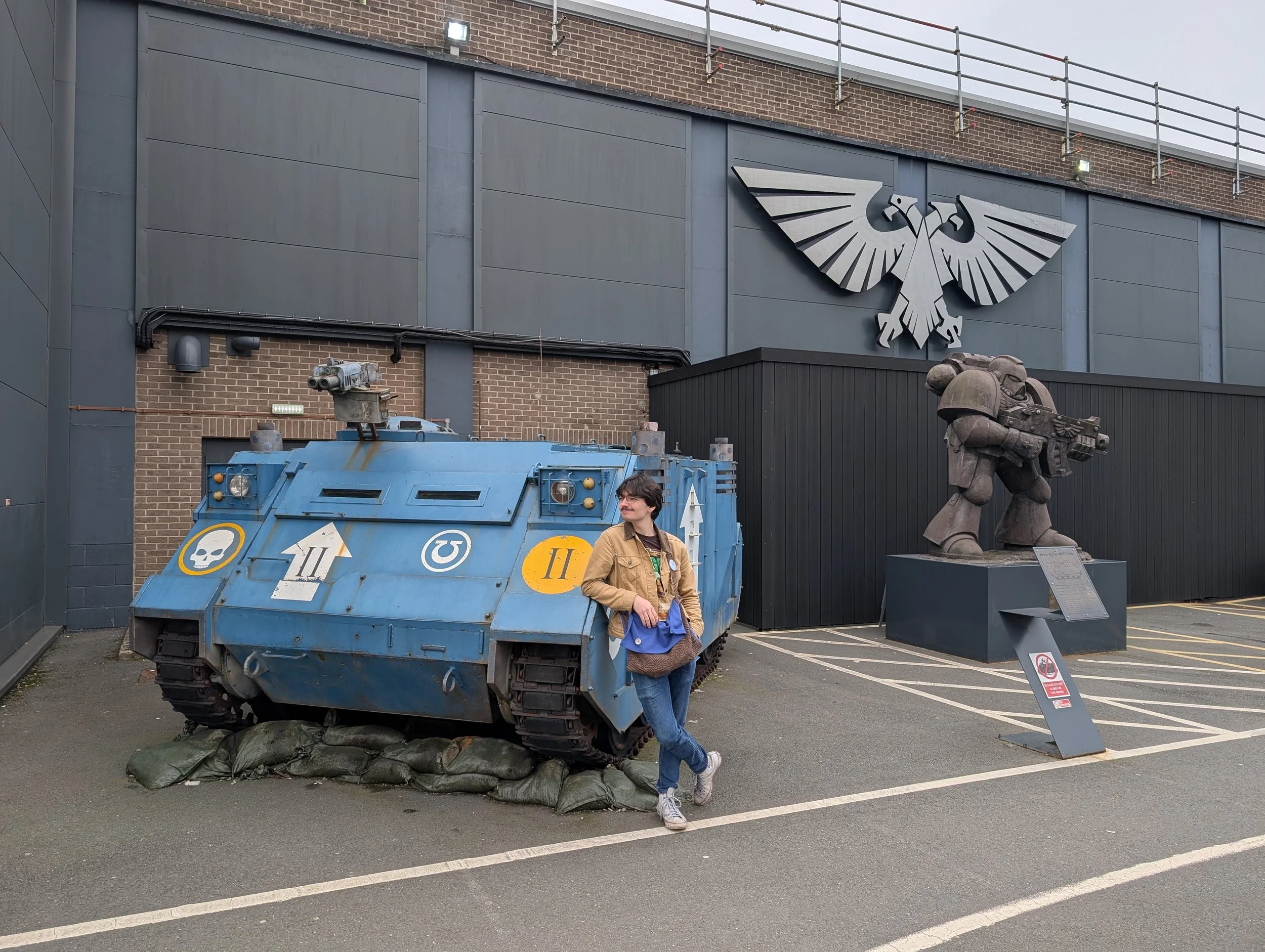
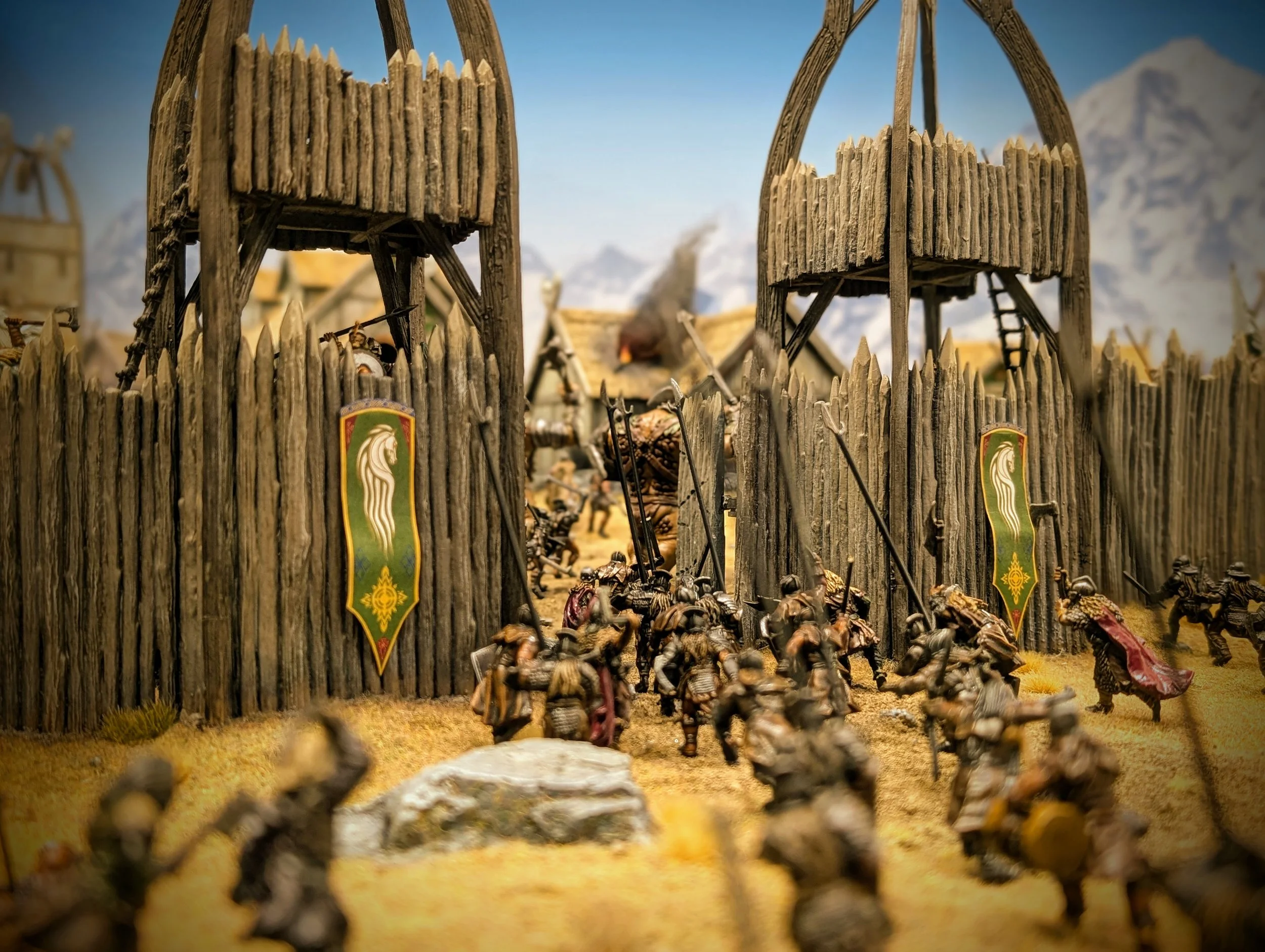
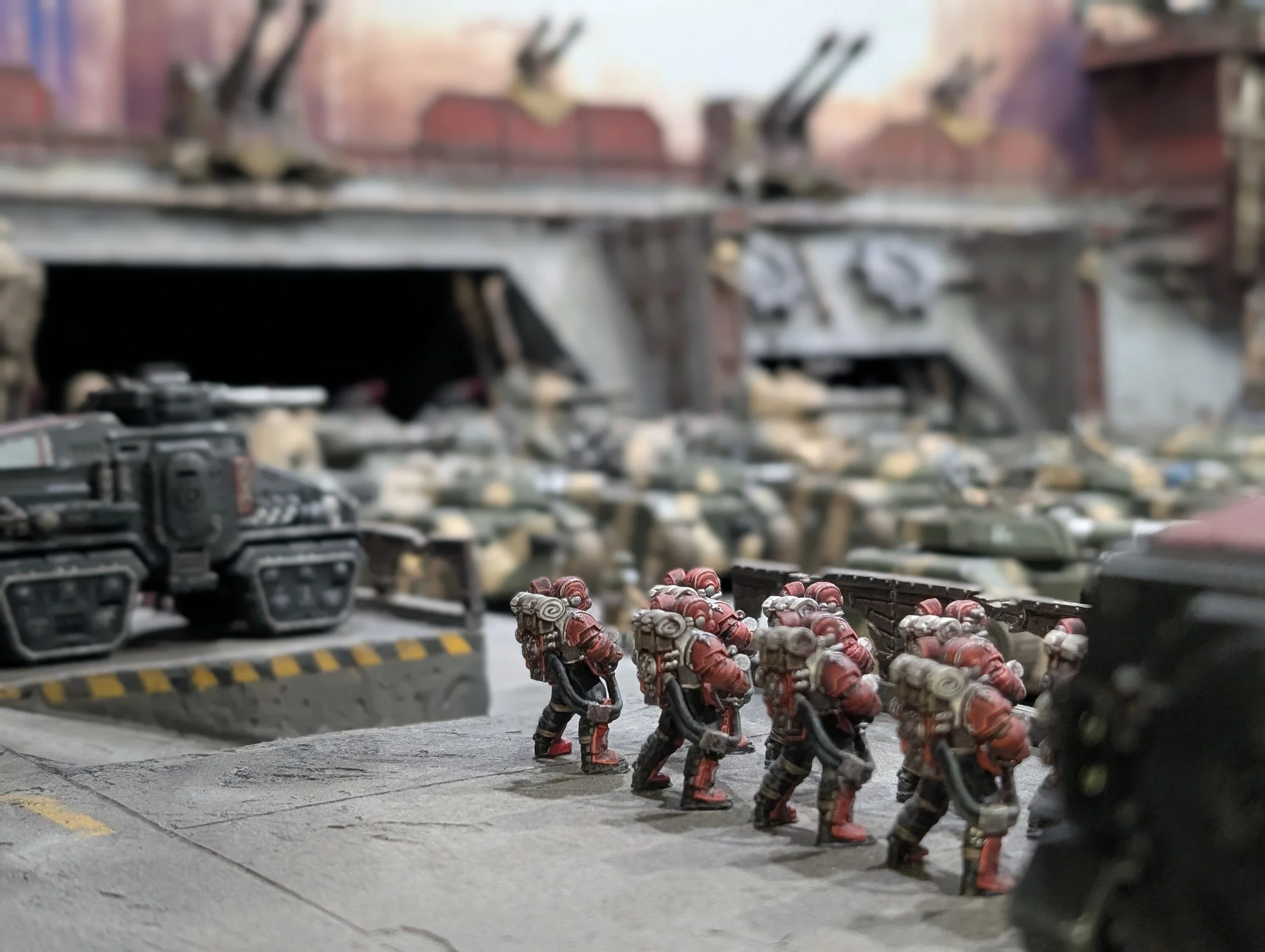
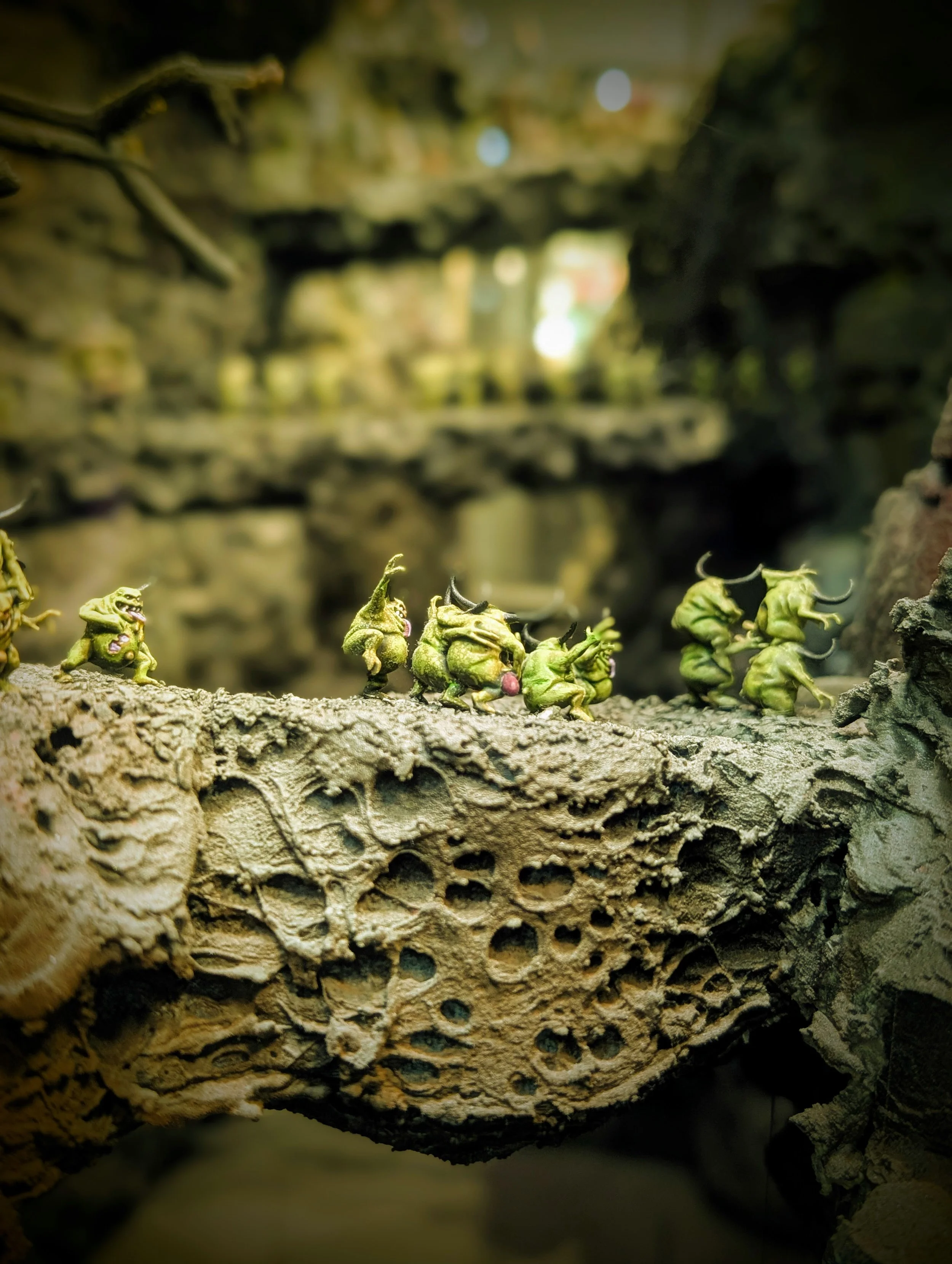
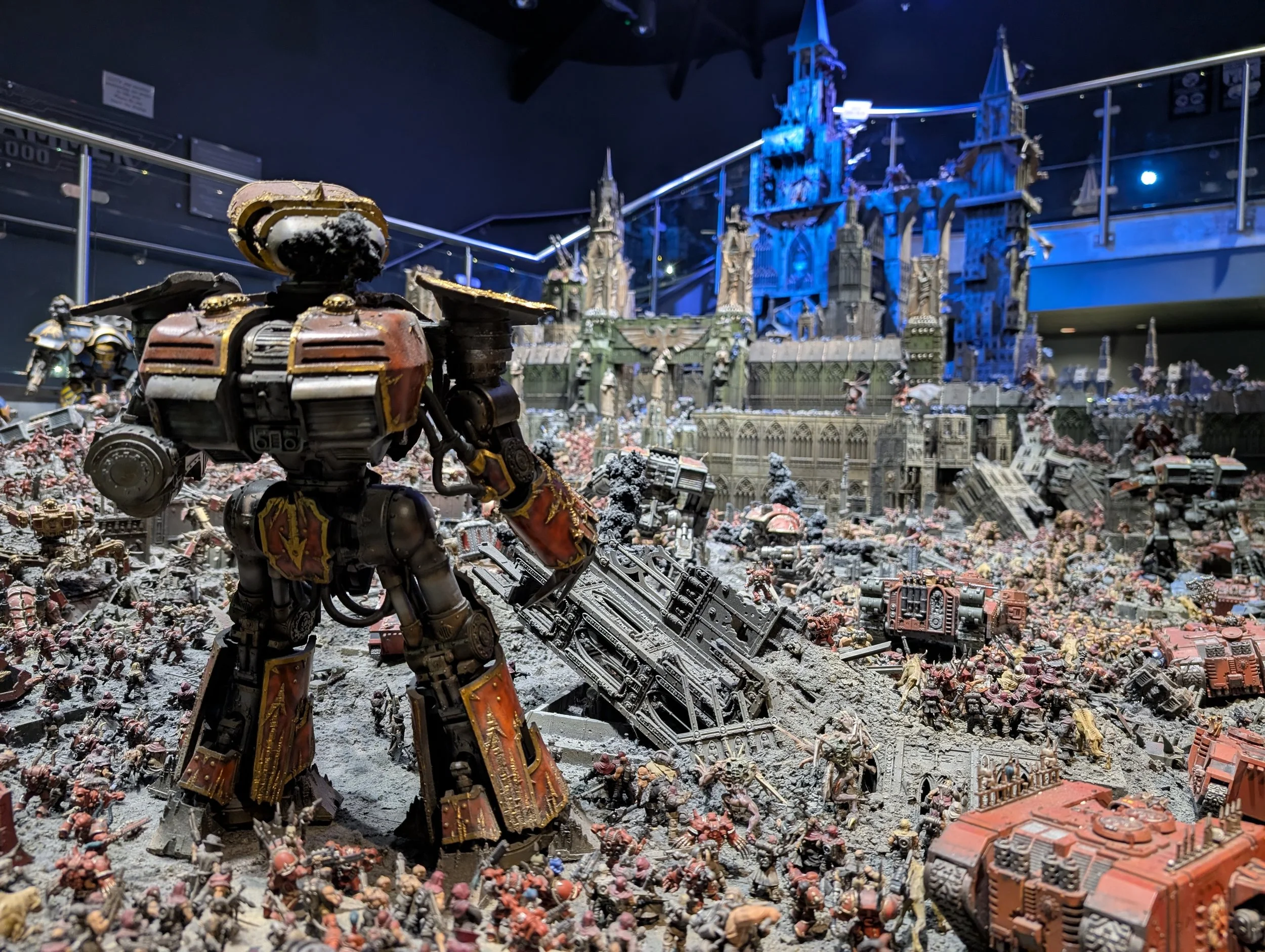
We finished the trip at Warhammer World. I paint and play, so I had been looking forward to this one, but the museum section holds up regardless of whether you've ever touched a miniature. The dioramas in particular are extraordinary examples of three-dimensional narrative design. Tiny environments where every material, every texture, every implied light source is intentional. The same discipline as exhibition design or set design, applied to a very specific kind of storytelling. A good way to end the week.


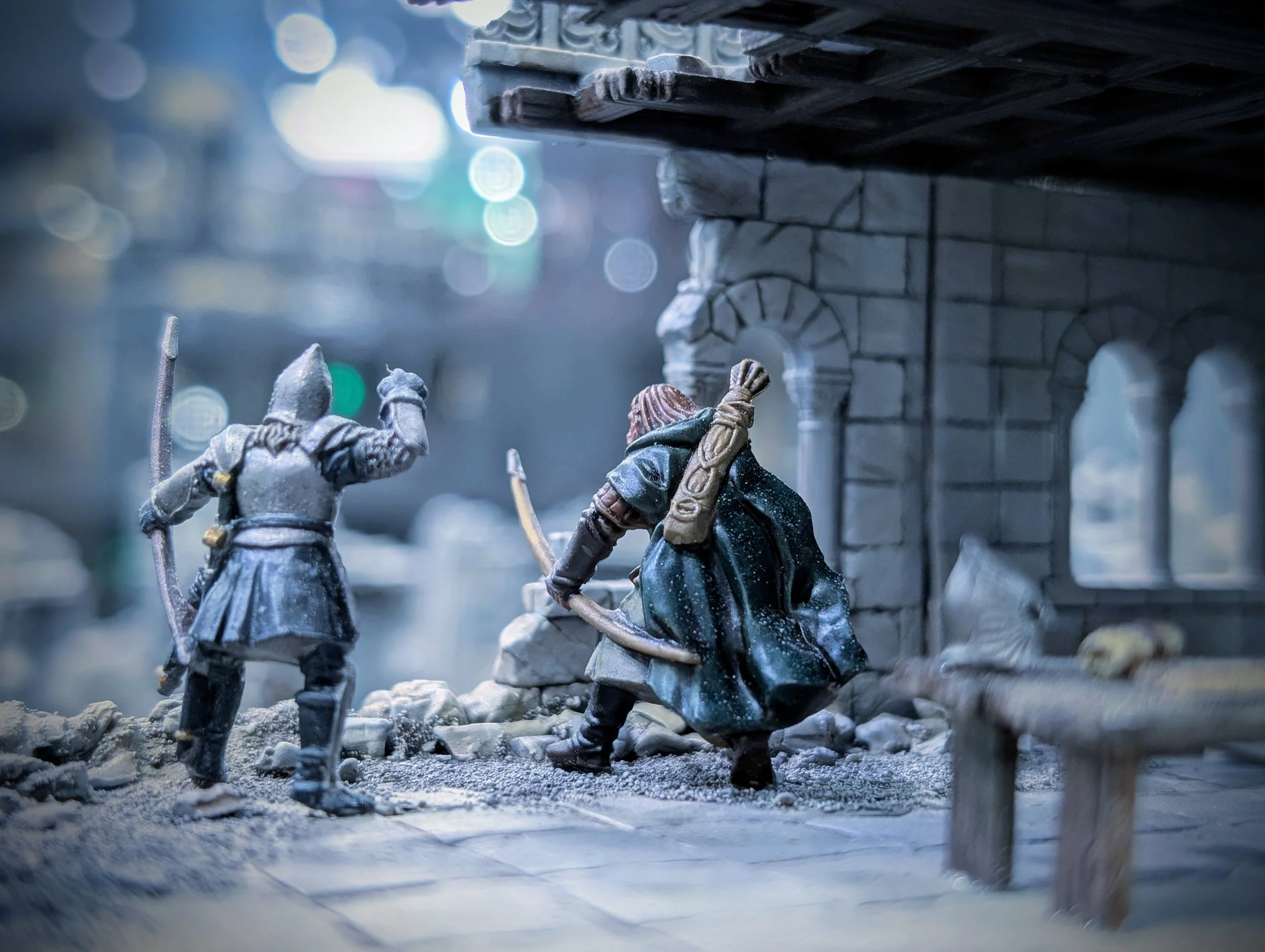
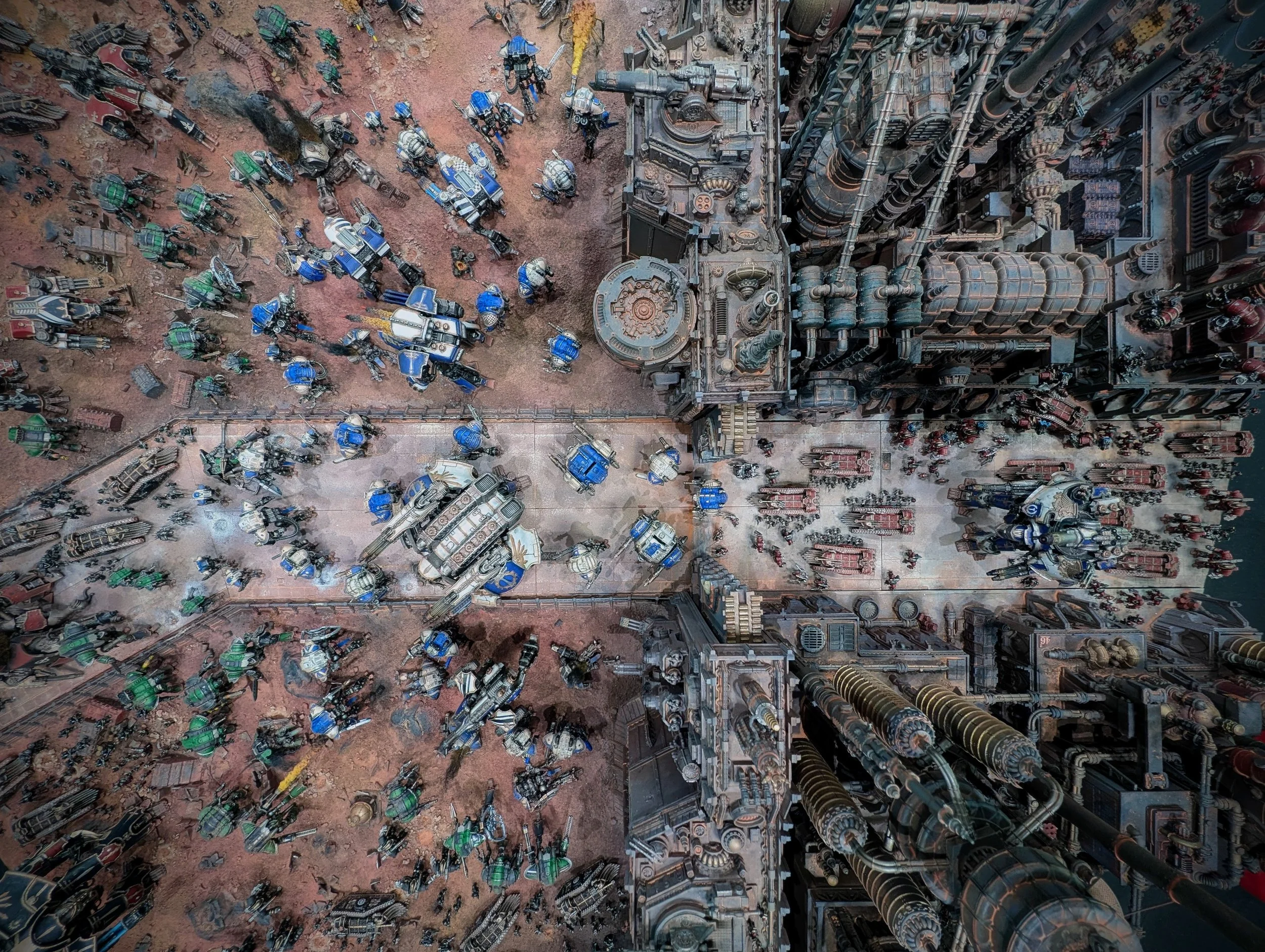




It was a good week. London showed me how much depth there is in the history of designed objects, and how much of what we cover in college is already out there in the world being applied at the highest level. Nottingham reminded me that the other end of that, small, independent, made by hand, is just as valid and just as worth understanding. Both are part of what design actually is.
