I genuinely love Nintendo's games, and that's what makes writing this so annoying. There isn't another company I can think of that's simultaneously the most pro-consumer and the most anti-consumer name in gaming (often within the same sentence), and last week gave us a pretty clean example of both halves of that at once.
Let’s start with the pro-consumer half, because it's something they do deserve credit for and I don't want to skip past it just because I'm about to spend the rest of this post being critical. Nintendo's first-party games are consistently excellent, priced fairly for what you get, and mostly free of the microtransaction rot that's crept into nearly everything else. You can still buy most of their big releases on a physical cartridge, put it on your shelf, loan it to a friend, and sell it years later if you want. In an industry that's been quietly moving everyone towards licensing access instead of owning anything, Nintendo still sells you something you can hold, and I respect them for not following the same direction as Sony and Microsoft.
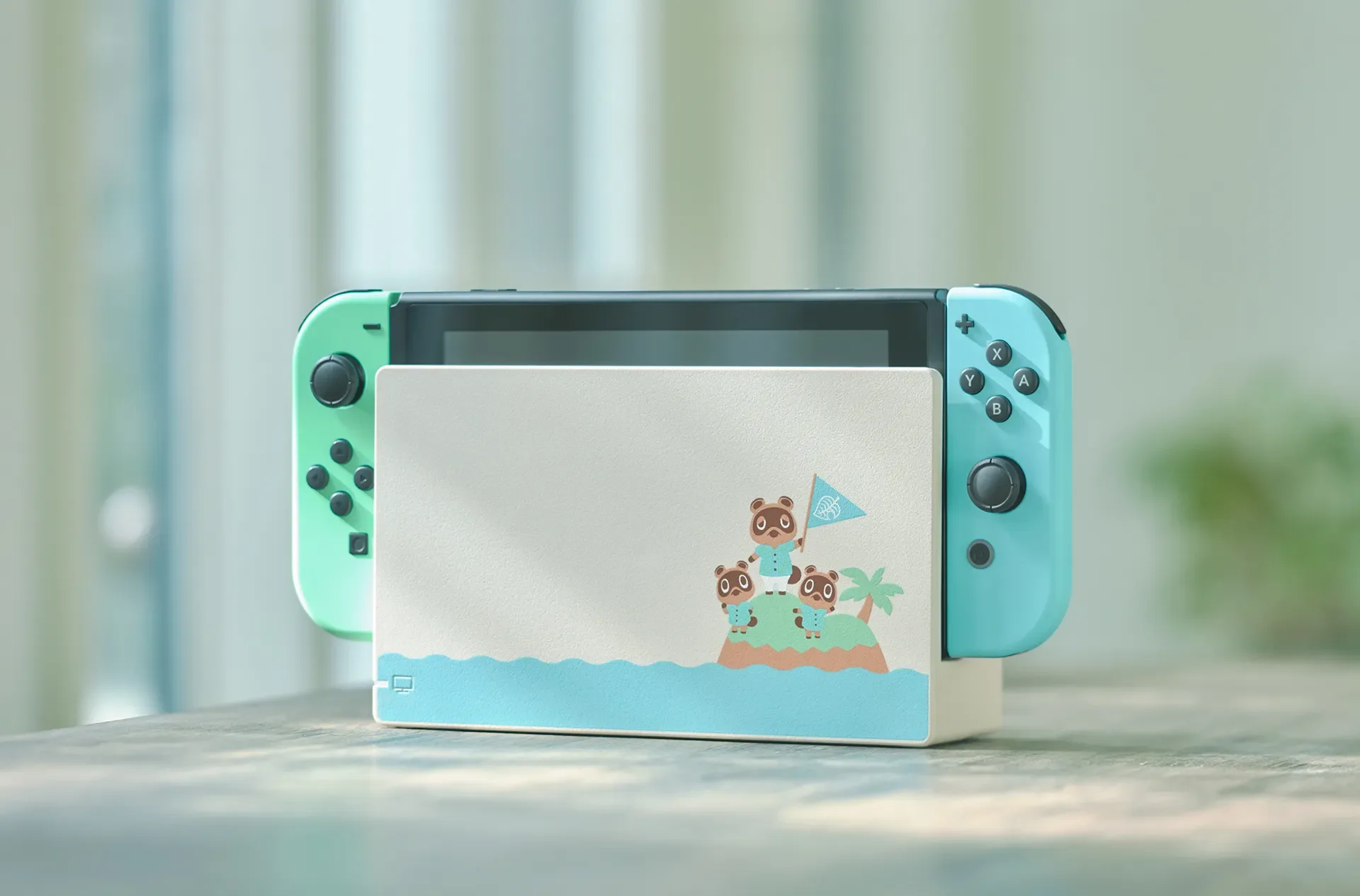
However, last week they filed seven DMCA notices against GitHub, and because of how GitHub handles forks, those seven notices took down 401 repositories in a single day. Once a parent repo passes 100 forks, removing it wipes out the whole network stemming from it, which is how Suyu (the project that picked up where Yuzu left off after Nintendo sued it into shutting down), lost 311 repos in one move. Nintendo’s legal argument isn't really about piracy directly, it's more about the cryptographic keys Switch games need to boot and run. Nintendo says the emulators run on unauthorised copies of those keys and that counts as circumventing a protection measure, which is a DMCA violation on its own regardless of whether or not piracy ever actually happened through the tool. And they have every right to do that, DMCA anti-circumvention law is about as clearly written as copyright law gets, they own the keys, and if I were running a platform that's still actively selling hardware and games, I'd probably do some version of the same thing. This isn't the obvious villain story people want it to be.
But having the legal right to do something doesn't make it the right thing to do, especially when these games and emulators they’re removing literally aren’t available anywhere else.
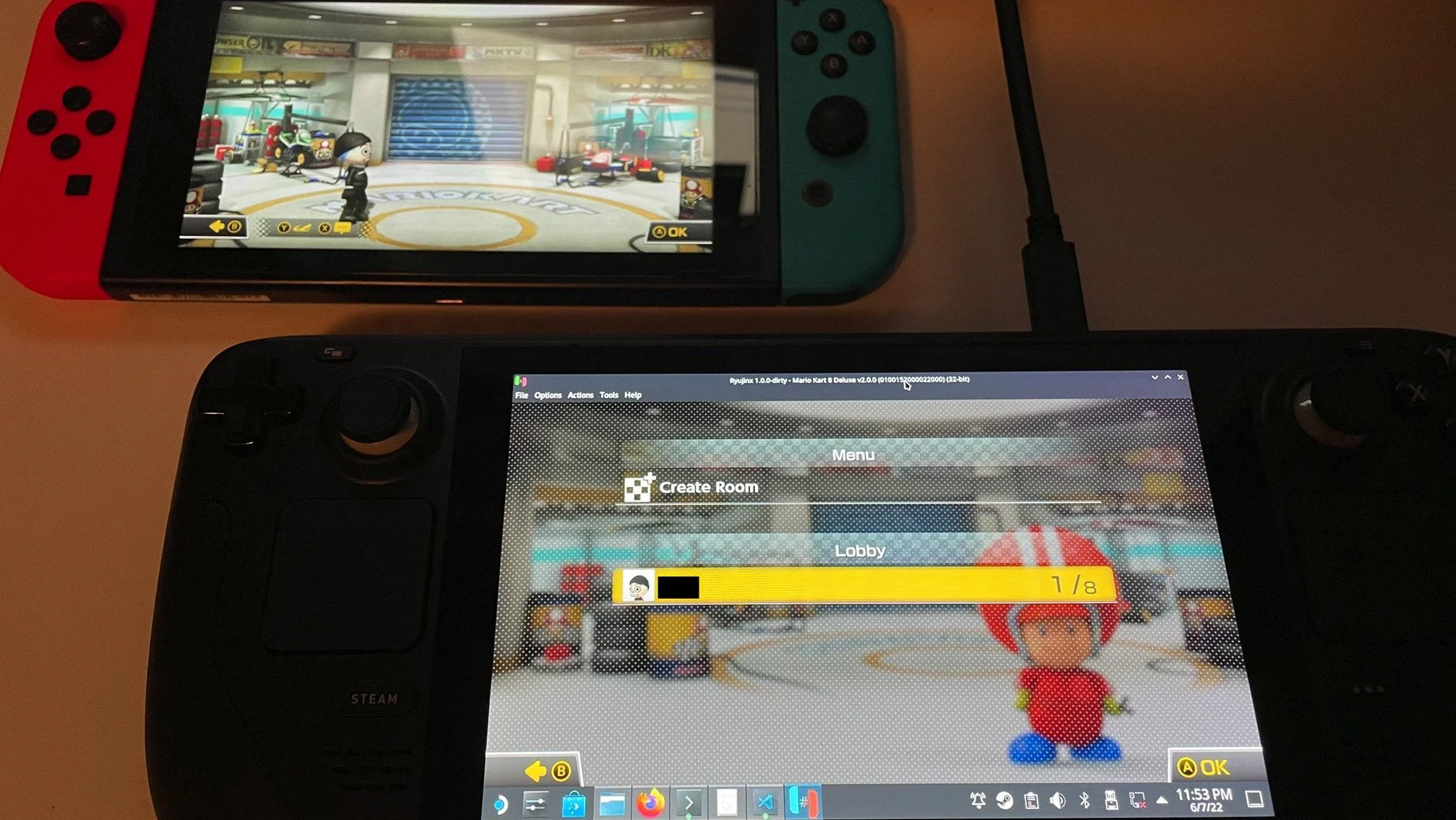
Ryujinx running on a Steam Deck
This is where the anti-consumer half stops being an annoyance and starts becoming a problem that could set a bad example for other companies. The Wii U and 3DS eShops closed for good in 2023, so if you didn't buy a game before that date, there is currently no legal storefront on earth that will sell it to you, and Nintendo has no plan to change that because there's no financial incentive to do so. And this isn't a company that only goes after other companies either. One of the precedents they're citing for last week's takedown is a “default judgement” against an individual streamer for $17,500, because the guy never showed up in court to defend himself. Suing the team behind Yuzu is one thing, they had a real project and real resources behind them. Getting a five figure judgement against one person who was probably only streaming to a few hundred viewers is a different thing entirely, and it's the kind of scummy move that shows us that this stopped being about protecting a business a while ago. It's about making an example out of whoever's easiest to go after.
Still, I don't think the emulation scene is some innocent hobbyist paradise either, plenty of people using these emulators absolutely are pirating games, and Nintendo isn't lying when it says that there’s a real cost. But these tools don't distinguish between the pirates and the people running their own dumped keys against their own dumped games, and Nintendo has shown zero interest in building that distinction into how it enforces this. They would rather take down a dead project like Skyline (which hadn't been actively developed since 2023 and posed no threat to anyone's revenue), than let a single legitimate user slip through. At that point it's not really about protecting their business model anymore, It's about not tolerating anything Nintendo doesn't fully control, even when that thing was costing them nothing to begin with.
The reason this bothers me comes back to something I strongly believe, that things worth making are worth being built to last. Nintendo makes things worth owning, no doubt about that, but they then build their entire legal strategy around the idea that access to a lot of it is something they can take back the moment it stops being profitable to maintain. The eShop closes and the game is gone. The emulator that would have kept it playable gets completely erased in a single day, along with the hundreds of forks that had nothing to do with piracy.
I keep thinking about my own 3DS while writing this, because I love that console, not despite the homebrew and hacking scene built around it but largely because of it. Nintendo shut its official online servers off back in 2024, and without a fan-run project called Pretendo standing in for them, online multiplayer and the community surrounding it would just be gone. Pretendo doesn't touch a single line of Nintendo's code, and it isn't emulating anything either, it's just running replacement servers for consoles Nintendo stopped supporting. Nintendo has already asked people to stop using it anyway. This behaviour actually worries me more than 400 dead repositories. Last week it was emulators. There's nothing stopping them from eventually going after the volunteers keeping these old consoles alive for free, and if they do, the only version of Nintendo's history that survives is whatever's still profitable for them to remember.
This isn't just a Nintendo problem either, and that's why it’s so important to push back now rather than after it's already been normalised. Last year Anthropic bought millions of physical books, ran them through a hydraulic press that slices the binding off each one, scanned every page, and then destroyed what was left, all to legally show that it legitimately owned a copy before training an AI model on it. A judge agreed this was fair use. Rare booksellers are already syaing that uncommon editions, some with only a handful of surviving copies left, are getting bought up in bulk and destroyed the exact same way. It's the same thing that happened to Skyline, a company deciding something must be destroyed and never stopping to ask whether destroying it was actually necessary (rather just doing it because it was allowed). If "we had the right to" is allowed to keep standing in for "this was the right thing to do", there's no medium that's actually safe from this behaviour, games, books, code, music, movies. It’s so important to protect art for people of the future to experience, as learning from the past it what allows to create new things and push things forward.
I want to spend my career building experiences people actually fall in love with, the same way I've fallen for these amazing games, and that's exactly why moments like this one get to me. Acting the way Nintendo has been lately doesn't protect what they’ve built, it wears away at it, and no amount of great games fixes the fact that people are starting to notice.
Sources:
Tom's Hardware
TorrentFreak
GameSpot
NintendoLife
Pretendo Wikipedia
Futurism
NPR
