The New Renault Twingo: Retro Done Right
In the world of product design, "retro-futurism" is often a trap. Designers frequently lean too hard into nostalgia, creating something that feels like a costume, or they go too far into the future, losing the "soul" of the original. However, Renault’s recent reveal of the 2026 Twingo is a masterclass in hitting the sweet spot.
Anthropomorphic Design: The Power of a Personality
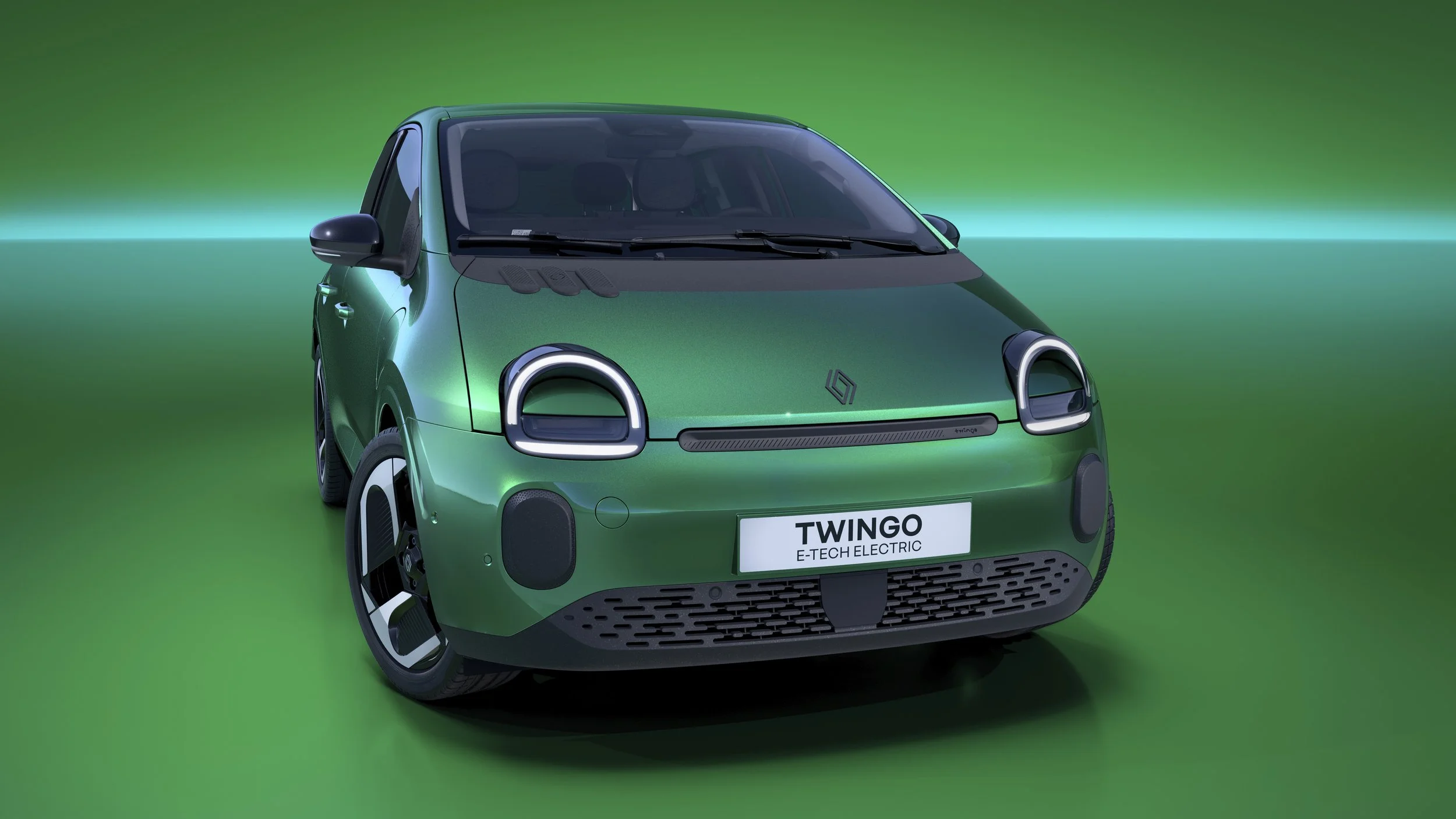
The original 1992 Twingo was famous for its "frog-like" appearance. It had a face that felt alive. In the 2026 version, Renault has used modern LED technology to replicate those expressive, rounded eyes. From a design perspective, this is emotional ergonomics. By giving the car a friendly, approachable aesthetic, Renault is positioning the Twingo as a companion for the city, rather than a utilitarian “appliance” like a lot of modern cars today. It’s a design that proves form doesn’t always have to follow function, and that sometimes form should follow feeling.
The "YouClip" System: Designing for the User
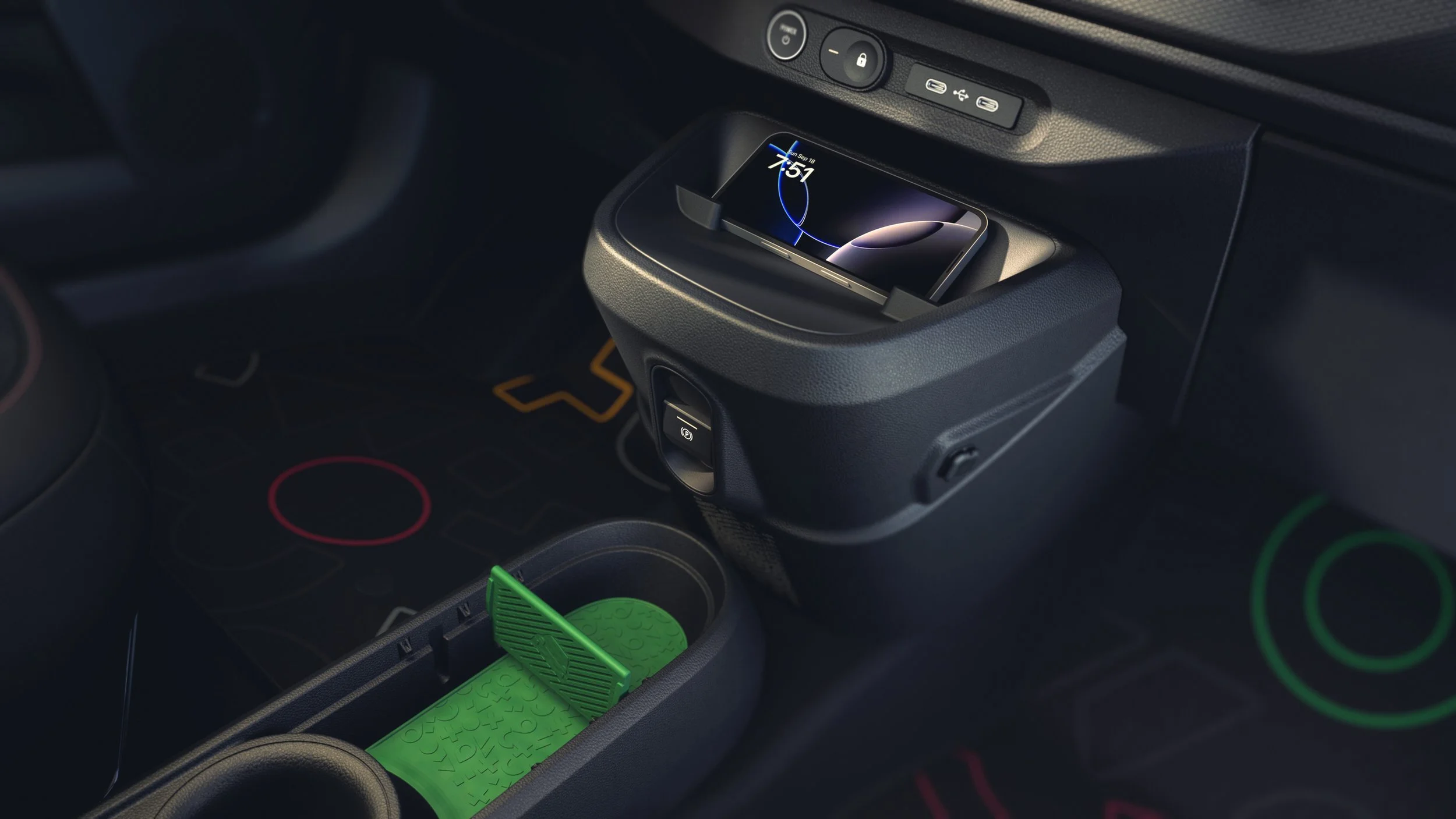
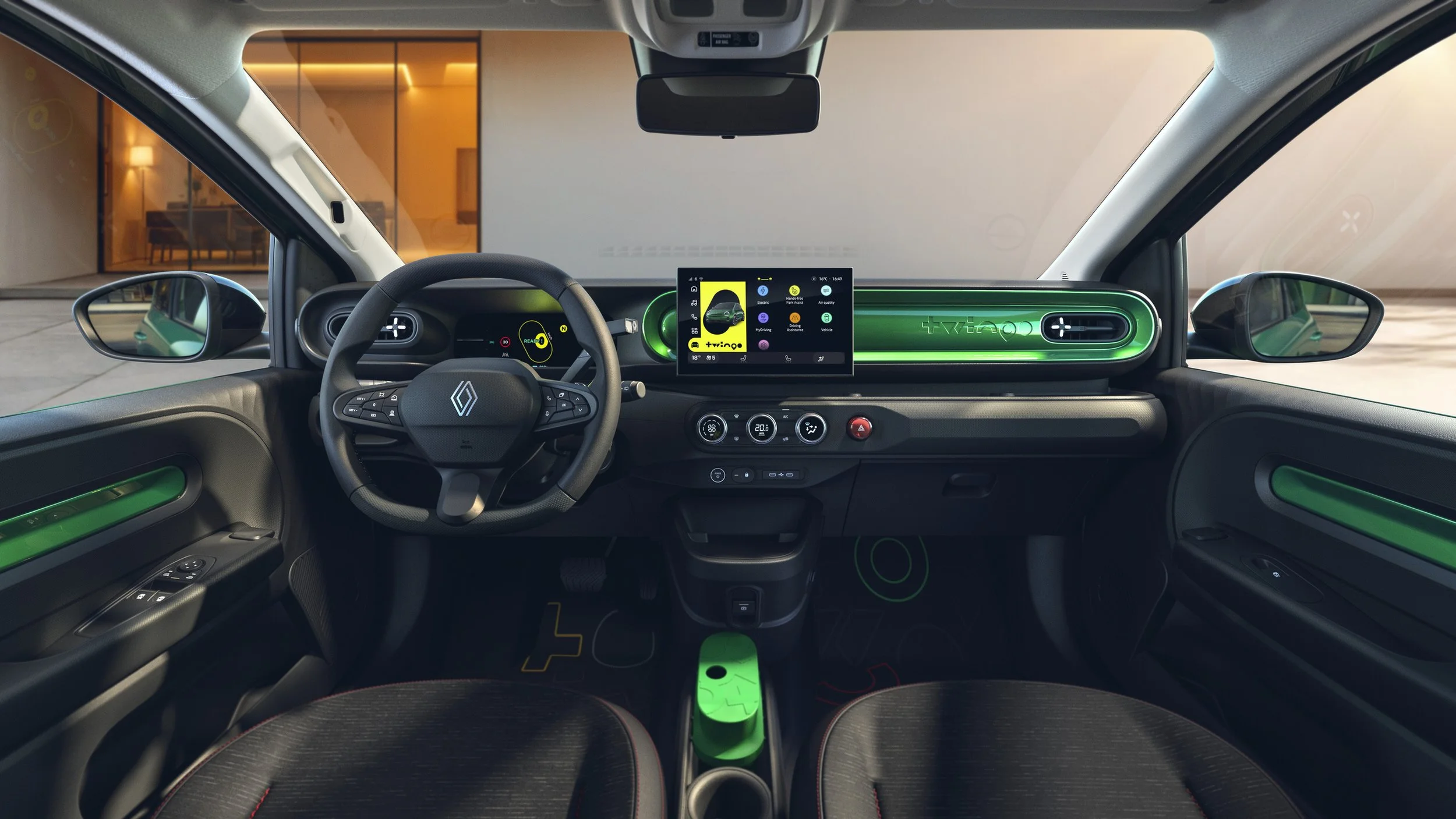
One of the most exciting features for me personally is the "YouClip" modular accessory system. Instead of deciding where your phone holder or cup holder must go, Renault has integrated standardized mounting points across the dashboard and doors.
This allows the user to 3D-print or buy modular attachments (bags, lights, or tech mounts) to customise their space. I see this as the future of "Open Source" industrial design. It’s a bridge between mass production and individual personalization.
Technical Precision & Sustainability
We can’t talk about impact without talking about the price. Renault is targeting a starting price of under €20,000.
Achieving this required extreme technical discipline. By using a simplified version of their AmpR Small platform (a platform that has already been successful in the new Renault 5) and smaller, more efficient batteries, they’ve reduced material waste and energy consumption. It’s design for the masses that balances fun, sustainability, and cost.
Final Thoughts
The new Twingo reminds me why I chose to study product design. It’s easy to design something expensive and flashy, but it’s much harder to design something affordable, sustainable, and emotionally resonant all at once, and this is something that will be a big influence on my own future work.
Design isn't just about how something looks, it’s about how it improves a person’s daily life. The Twingo is proof that the future of mobility can be smart, affordable, and, most importantly, fun.
Media credits to Renault Group
