The Man Who Broke BMW: The polarising genius of Chris Bangle
If you want to start a fight at a car meet, just mention the name Chris Bangle. As the first American to run the design department at BMW, Bangle didn't just tweak the headlights or modernise the grilles, he essentially set fire to the brand’s rulebook. During his era from 1992 to 2009, he dragged the entire automotive world into the 21st century.
Before Bangle, BMWs followed a strict hierarchy. If you bought a 3 Series, it looked like a smaller version of the 7 Series. It was safe, and Bangle found it incredibly boring. He famously referred to this as the "same sausage, different lengths" approach. His solution was "Flame Surfacing." Instead of flat, predictable panels, he introduced sharp creases and weird, hollowed-out curves that played with light.
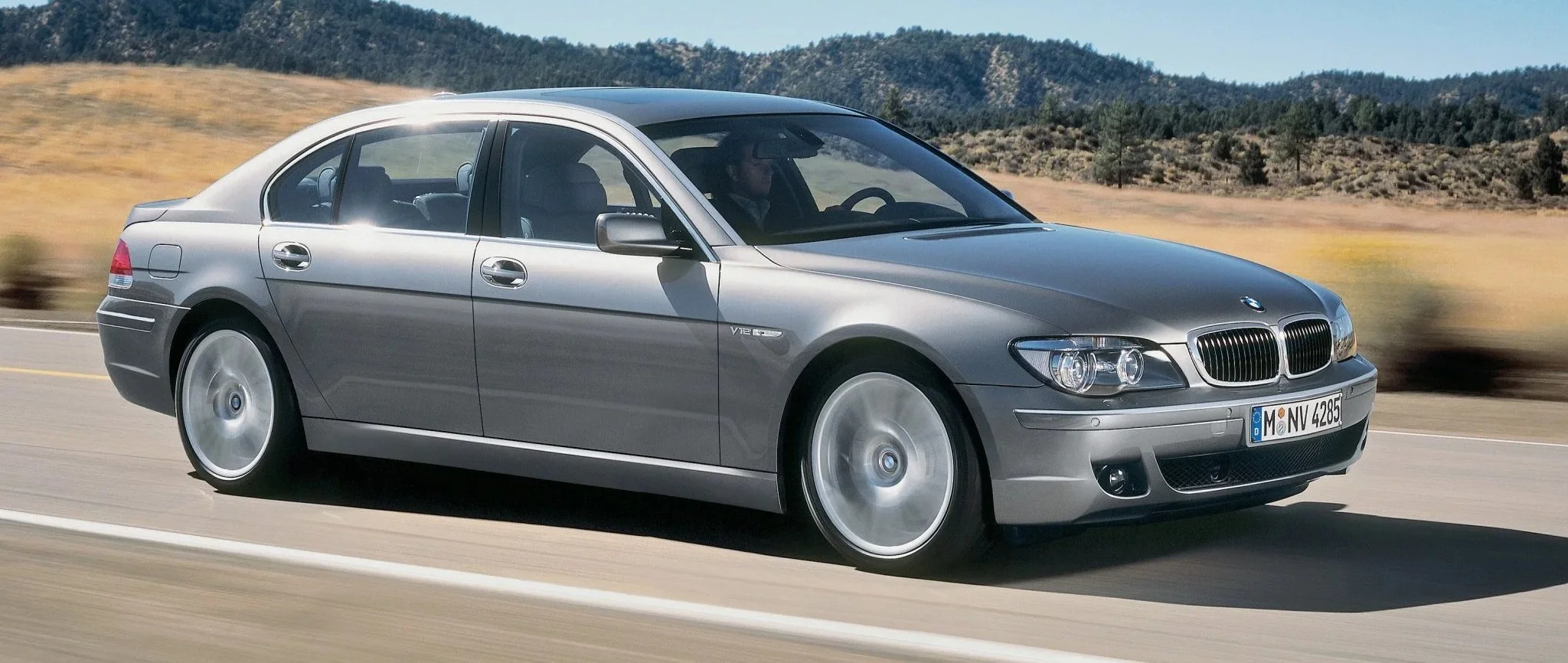
The real explosion happened in 2001 with the E65 7 Series. Bangle (along with his lead designer, Adrian van Hooydonk) gave the car a high, chunky rear end that looked like it belonged to a different vehicle. The internet, even back in 2001, went nuclear. Petitions were signed to get him fired, and journalists mocked the "Bangle Butt."
But here’s the problem, it worked. The car sold better than the E38 7 series. People who wanted to look like they were living in the future loved it. Within a few years, you could see traces of Bangle's "ugly" trunk on everything from Hyundais to Mercedes-Benzes. He had effectively reset the industry's eyes.
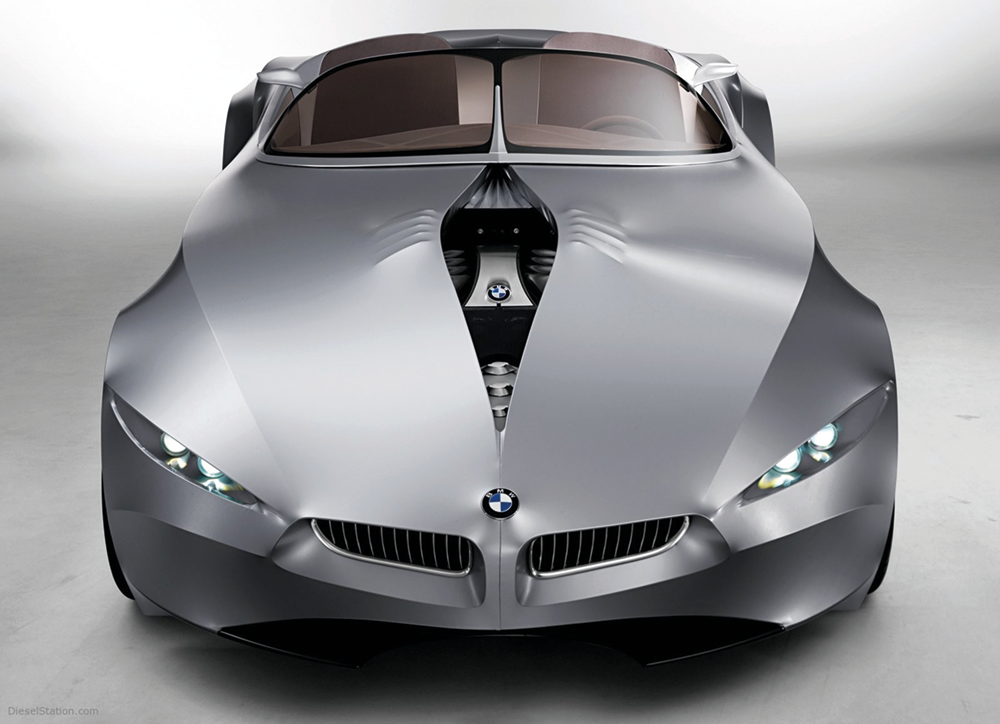
Bangle’s final "mic drop" was the GINA concept. He got tired of metal entirely and wrapped a car in a flexible fabric skin. If you wanted the headlights on, the fabric would pull back like an eyelid. It was a reminder that Bangle wasn't just trying to make pretty cars, he was trying to figure out what a "car" even was.
Today, Bangle has traded the boardrooms of Munich for a private studio in the Italian countryside. He’s moved on to everything from electric city cars to high-end furniture, but his shadow still looms over every BMW dealership on the planet. He remains a rare figure in the industry, a designer who wasn't afraid to make people genuinely angry in order to move the needle. In the end, he didn't just redesign a few cars, he forced the entire industry to change how it looked at modern car design.
