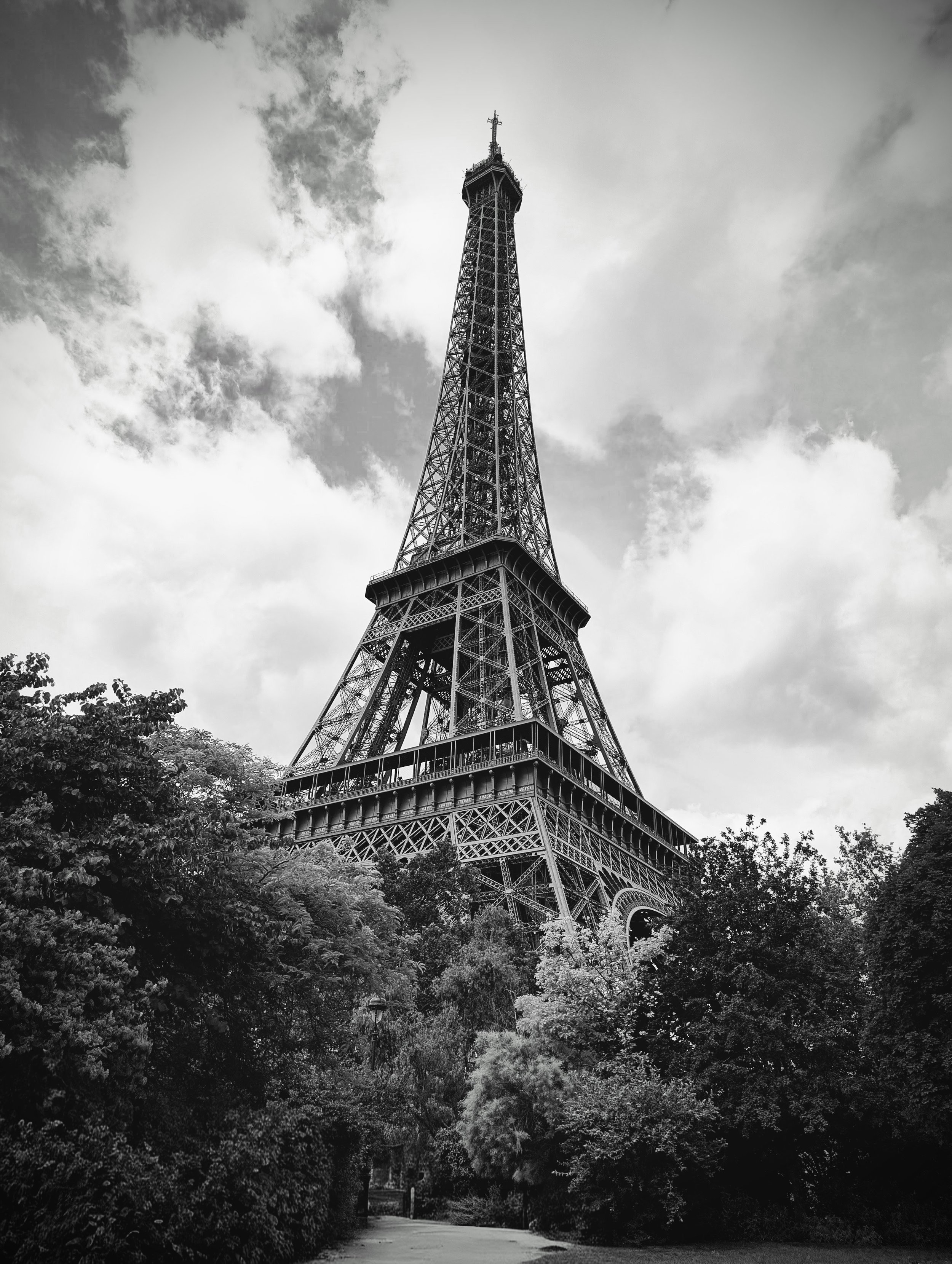
The Eiffel Tower: Beautiful Things Last
I've been to Paris a few times now and every time I go back I make a point of seeing the Eiffel Tower. I was there again about a week ago, and what got me this time were the rivets, weirdly enough. 2.5 million of them, visible from the ground, holding together a structure so large you can't take it in from a single angle. You find yourself wondering who designed each joint. Who calculated the load. Who decided where every single piece went, by hand, on paper, in the 1880s.
What makes it stranger is that the original design wasn't meant to look like this. The initial concept was purely structural, a massive pylon, a lattice of iron beams. An architect named Stephen Sauvestre was brought in to make it more than a technical exercise. He added the grand decorative arches at the base. They serve no structural purpose. They exist purely to visually anchor the tower to the ground. Nobody asked for it to be beautiful. He decided it should be anyway. The arches are large ornamental spans of ironwork that bridge the four legs at ground level, giving the whole thing a visual base before it begins to taper upward. Without them the legs would just splay outward from the ground, structurally fine, but strange to look at.
The Tower was built for the 1889 World's Fair and was supposed to come down after twenty years. It survived because it became useful, a radio transmitter that intercepted German military communications during World War I. That's what kept it standing. But that usefulness has been gone for over a century. The transmitters are long out of service. There's no practical reason for the Tower to still be there.
It's still there because of the arches that serve no purpose.
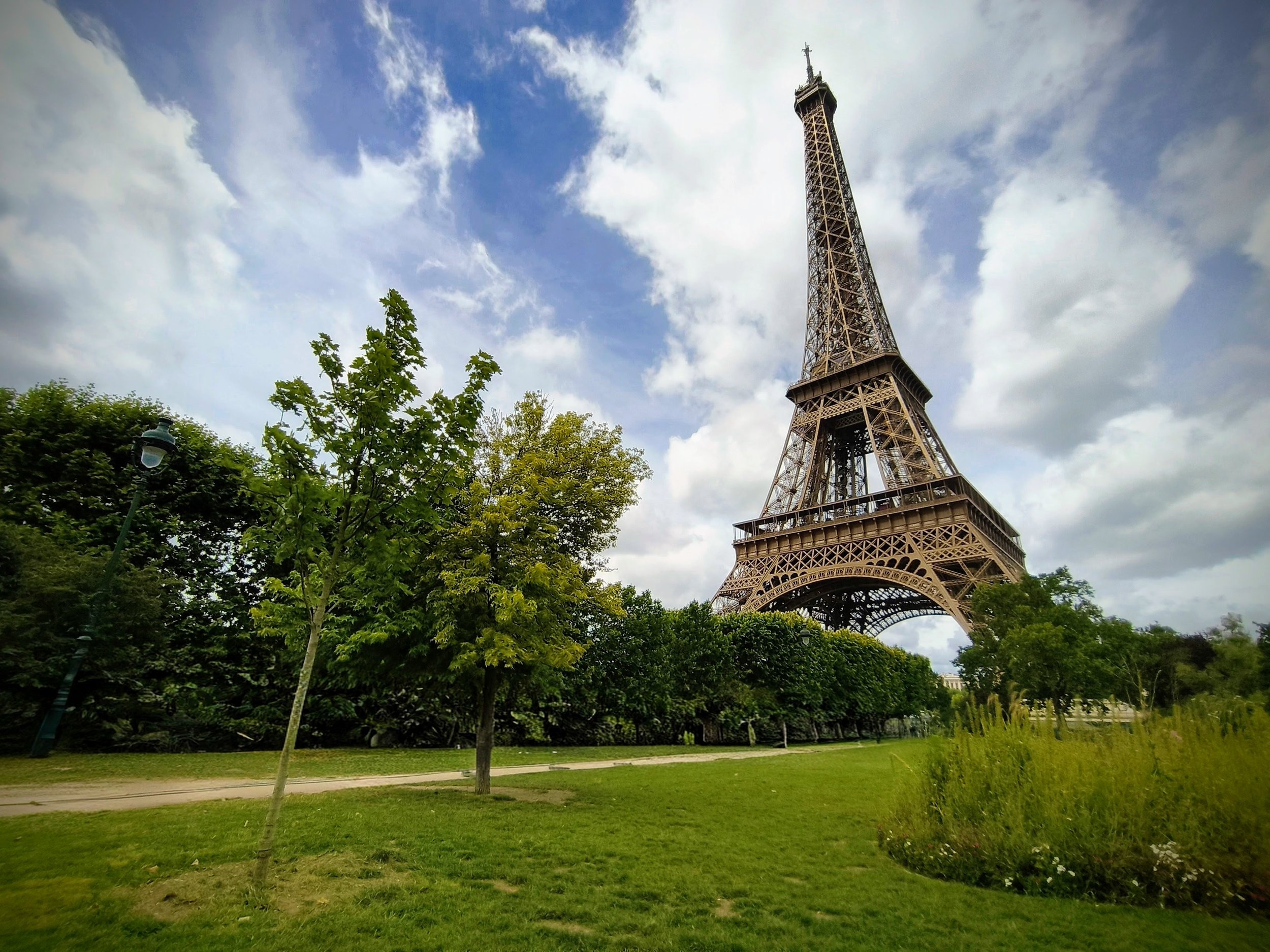
Beautiful design outlasts the reason it was made. Function has a shelf life, something better comes along, something cheaper, something faster. But beauty doesn't work that way. People invent reasons to keep beautiful things around.
Cars are the most obvious example. The Ford Capri meant something once. Long bonnet, fastback roofline, a C-pillar with an actual shape to it, GT proportions that made it look like it was moving standing still. The new one is an SUV crossover with the name on the boot. There's no line on it that references the original. The Mach-E is the same story. A name borrowed from something people actually loved, attached to something nobody will remember. It's not just lazy design, it's disrespectful, and I think it'll hurt them eventually. But it's not universal, companies like Renault are proving that. The new Twingo is the clearest example. It looks almost identical to the original but updated, not in the way of slapping LED lights on an old body, actually reworked with a modern sensibility while keeping what made it recognisable in the first place. It is possible, some people are just choosing not to bother.
That's the thinking I want in my own work. Make something beautiful because it should be, not because the brief asks for it. The objects designed that way are the ones people are still buying secondhand, still restoring, still talking about decades out of production. My generation is surrounded by things optimised to a price point, and we can feel it. There's a reason people are hunting for old cars and first-gen iPods and 35mm cameras (including me). They had character because someone decided they should.
I left Paris still thinking about Sauvestre's arches. The Tower was supposed to come down after twenty years. The radio equipment is long gone. The World's Fair is long gone. The arches are still there.